
Top 25 Books For Biologists: That Will Stay by Your Side Throughout Your Lifetime!
Books Every Biologist Needs To Read (At Least Before You Die)
As a biologist, books are your lifelong companions, providing knowledge, inspiration, and a deeper understanding of the natural world. Whether you're just starting your journey in biology or are a seasoned professional, having a curated collection of books covering various aspects of the field is essential. In this blog post, we present the top 25 books that every biologist should have in their personal library. These books encompass a wide range of topics, from molecular biology to ecology, genetics to evolution, and more. Let's explore the books that will stand the test of time and remain invaluable resources throughout your career.

1. "The Selfish Gene" by Richard Dawkins:
"The Selfish Gene" is a seminal work in biology that introduces the concept of the gene-centered view of evolution. Dawkins explores how genes influence behavior and shape the evolutionary process, challenging traditional notions of natural selection. This book provides a fascinating perspective on the role of genes in driving biological diversity.
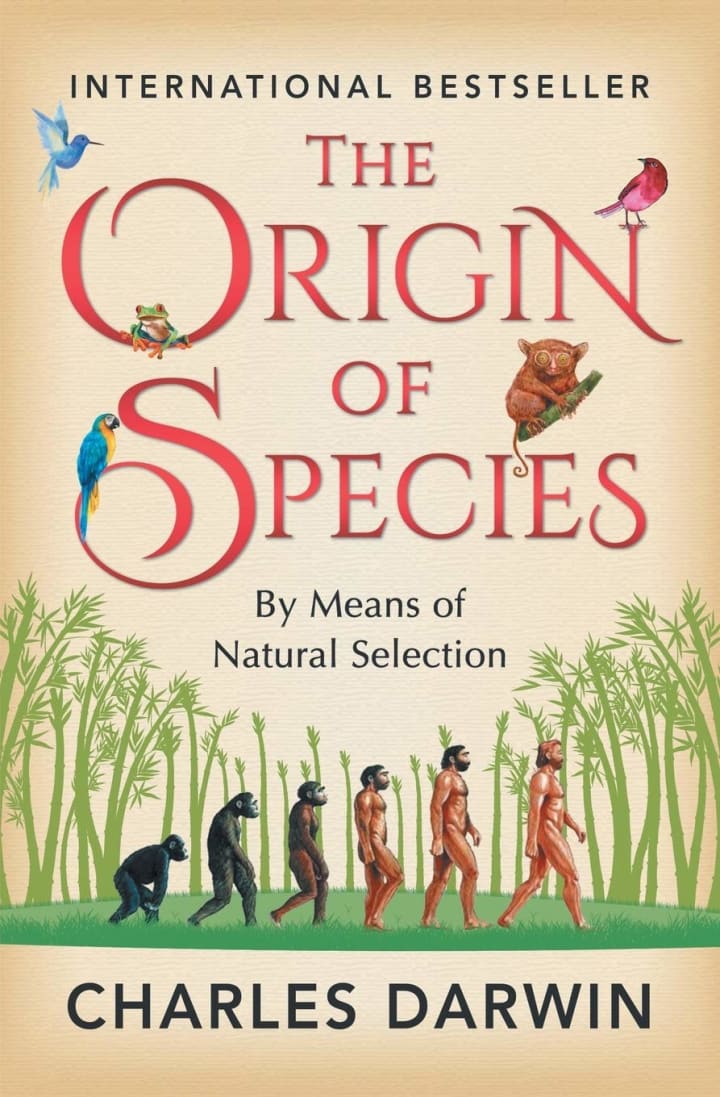
2. "The Origin of Species" by Charles Darwin:
No list of biology books would be complete without Darwin's groundbreaking work. In "The Origin of Species," Darwin presents his theory of evolution by natural selection, revolutionizing our understanding of life on Earth. This book is a must-read for anyone interested in the intricacies of evolutionary biology.
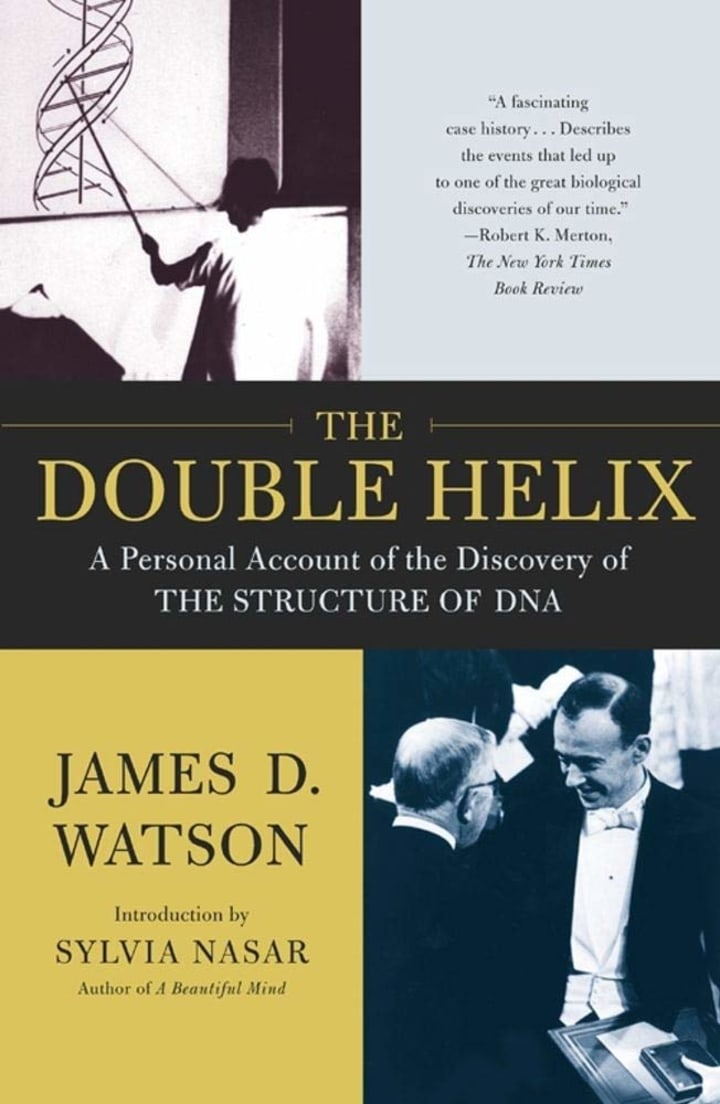
3. "The Double Helix: A Personal Account of the Discovery of the Structure of DNA" by James D. Watson.:
"The Double Helix: A Personal Account of the Discovery of the Structure of DNA" by James D. Watson offers a captivating firsthand narrative of the groundbreaking discovery that shaped modern genetics. Watson's personal insights and anecdotes provide a unique and engaging perspective on the scientific process. This book is a classic and essential read for anyone interested in the history of DNA and the pioneers behind its unraveling.
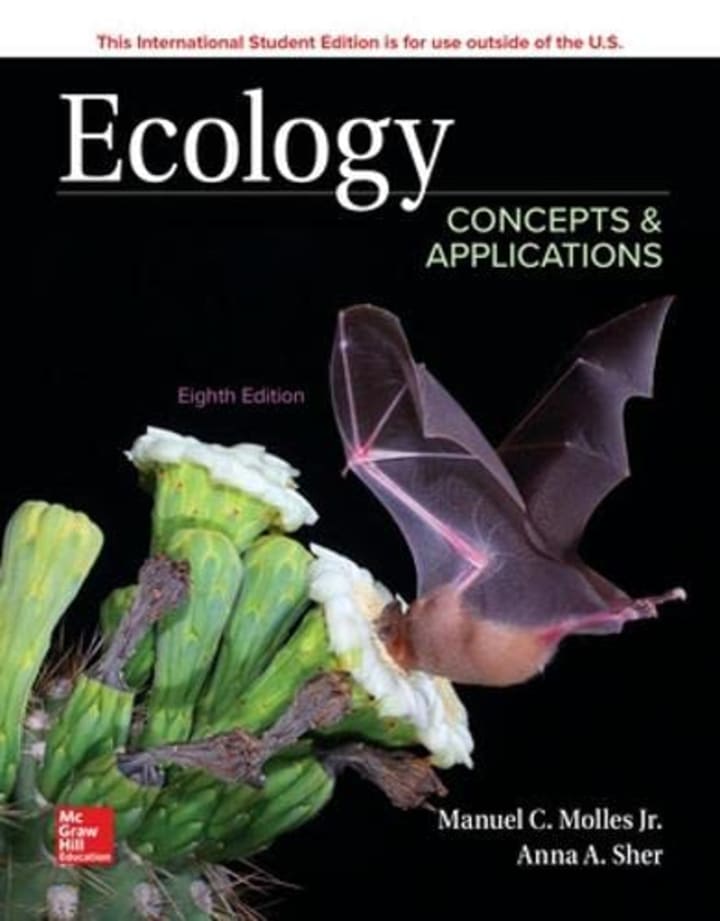
4. "Ecology: Concepts and Applications" by Manuel C. Molles Jr.:
This book offers a comprehensive introduction to ecological principles and their practical applications. It explores topics such as population dynamics, community interactions, and ecosystem ecology. With its clear explanations and real-world examples, "Ecology: Concepts and Applications" is a valuable resource for understanding the complexities of ecosystems.
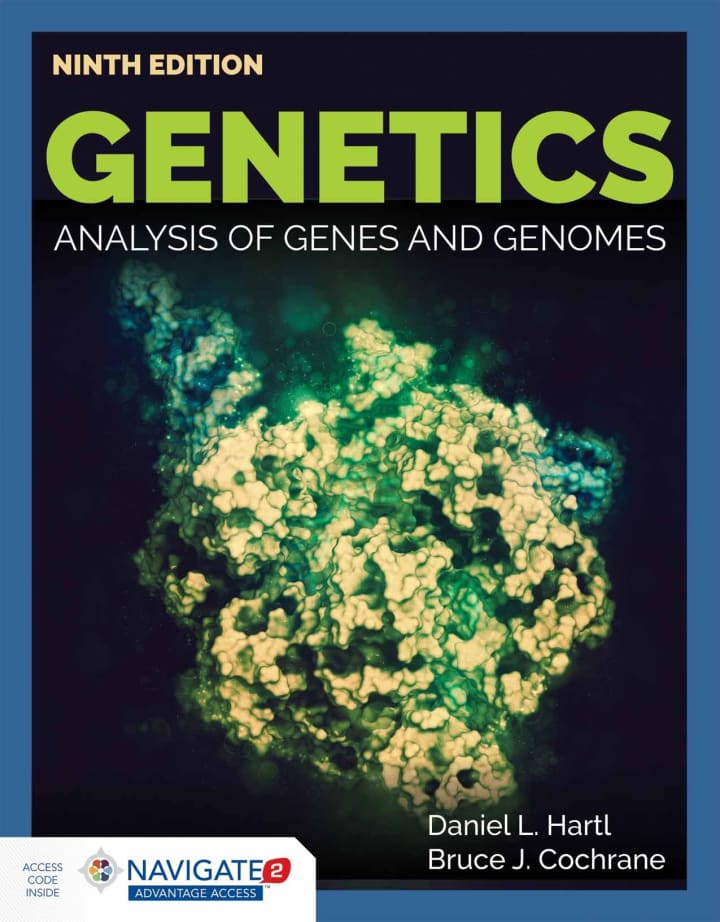
5. "Genetics: Analysis of Genes and Genomes" by Daniel L. Hartl and Elizabeth W. Jones:
"Genetics: Analysis of Genes and Genomes" provides a thorough introduction to the principles of genetics. It covers topics ranging from classical genetics to molecular genetics, genomics, and population genetics. This book is an indispensable guide for understanding the fundamental concepts and techniques in genetics.
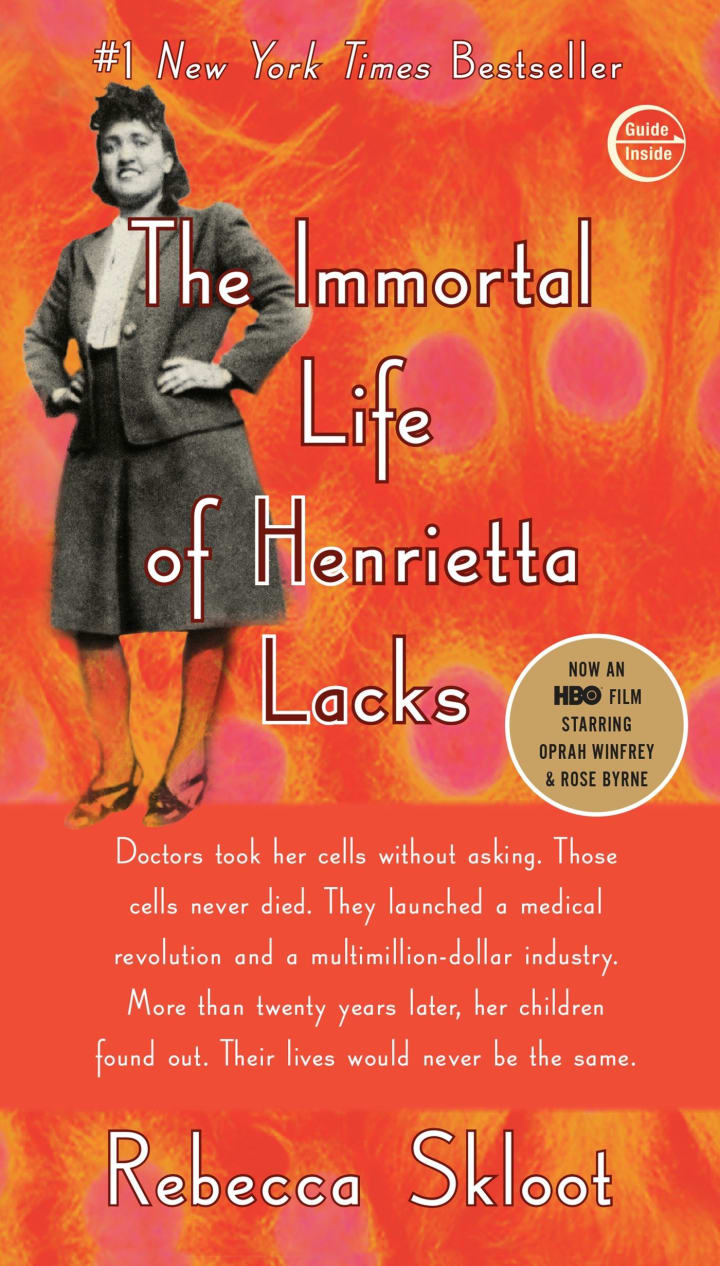
6. "The Immortal Life of Henrietta Lacks" by Rebecca Skloot:
In this captivating narrative, Skloot explores the story behind the immortal cell line known as HeLa, derived from Henrietta Lacks. The book delves into ethical considerations, race, and the impact of HeLa cells on biomedical research. It offers a compelling blend of science and human history.
7. "Sapiens: A Brief History of Humankind" by Yuval Noah Harari:
While not solely focused on biology, "Sapiens" provides a thought-provoking exploration of the history and impact of Homo sapiens. It delves into the biological, cultural, and cognitive aspects that have shaped human evolution and society. This book offers a broader perspective on the biological origins of our species.
8. "The Diversity of Life" by Edward O. Wilson:
Edward O. Wilson, a renowned biologist, presents a captivating account of the astounding diversity of life on Earth. He explores the interconnectedness of species and their habitats, highlighting the urgent need for conservation efforts. "The Diversity of Life" is a testament to the beauty and fragility of our planet's biodiversity.
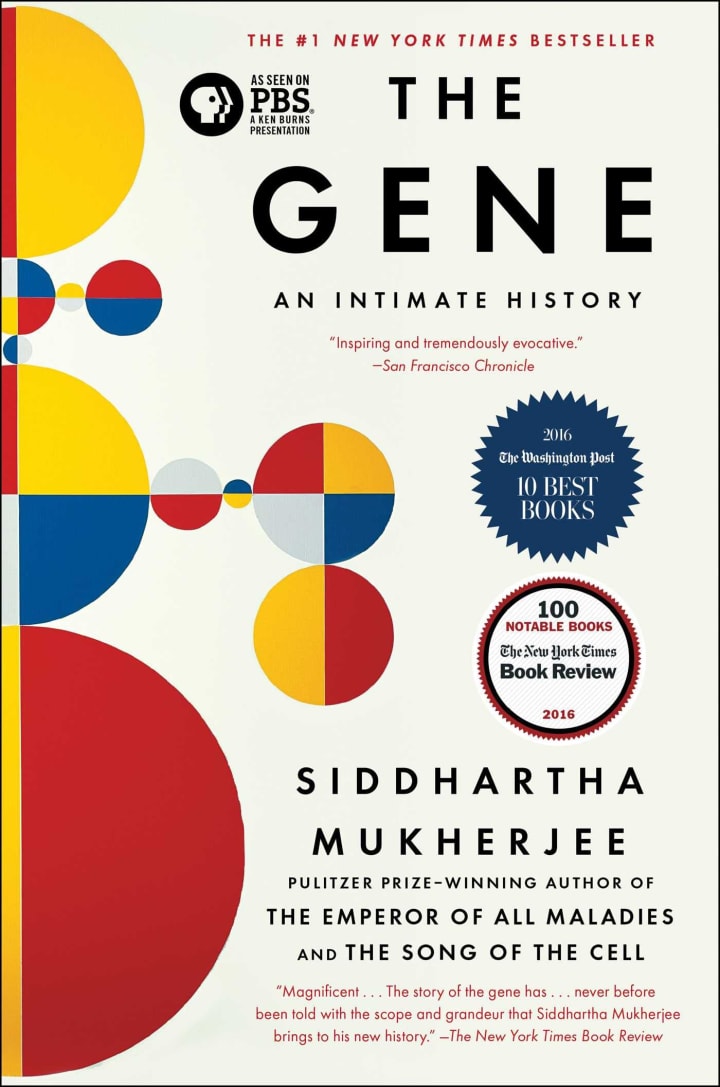
9. "The Gene: An Intimate History" by Siddhartha Mukherjee:
In this exploration of the history and impact of genetics, Mukherjee combines personal stories, scientific discoveries, and ethical dilemmas. From Mendel's pea experiments to the CRISPR revolution, "The Gene" provides a comprehensive and engaging account of the power and implications of genetics.
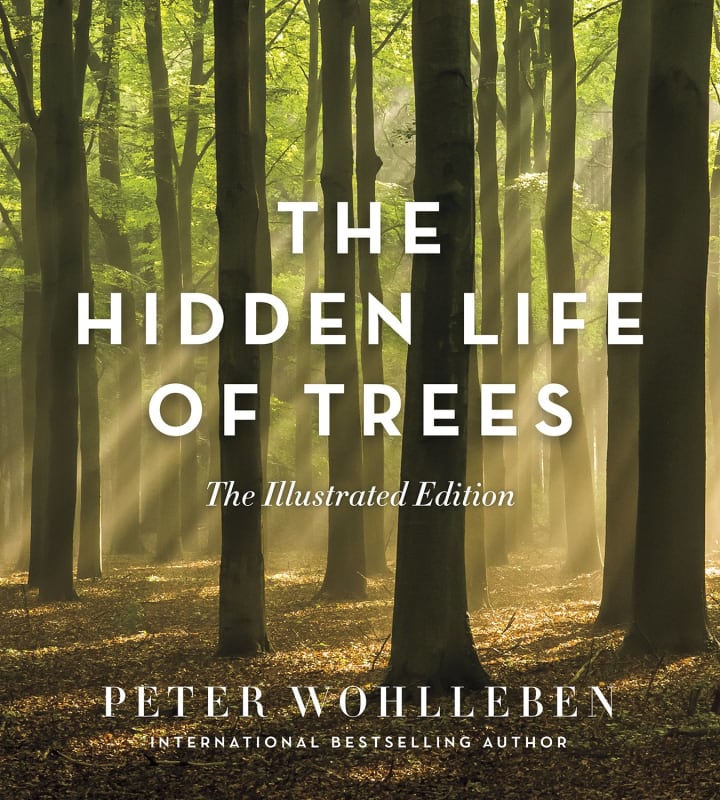
10. "The Hidden Life of Trees" by Peter Wohlleben:
"The Hidden Life of Trees" reveals the intricate world of forests and the complex relationships among trees. Wohlleben explores how trees communicate, support one another, and respond to their environment. This book offers a fresh perspective on the interconnectedness of life in forest ecosystems.
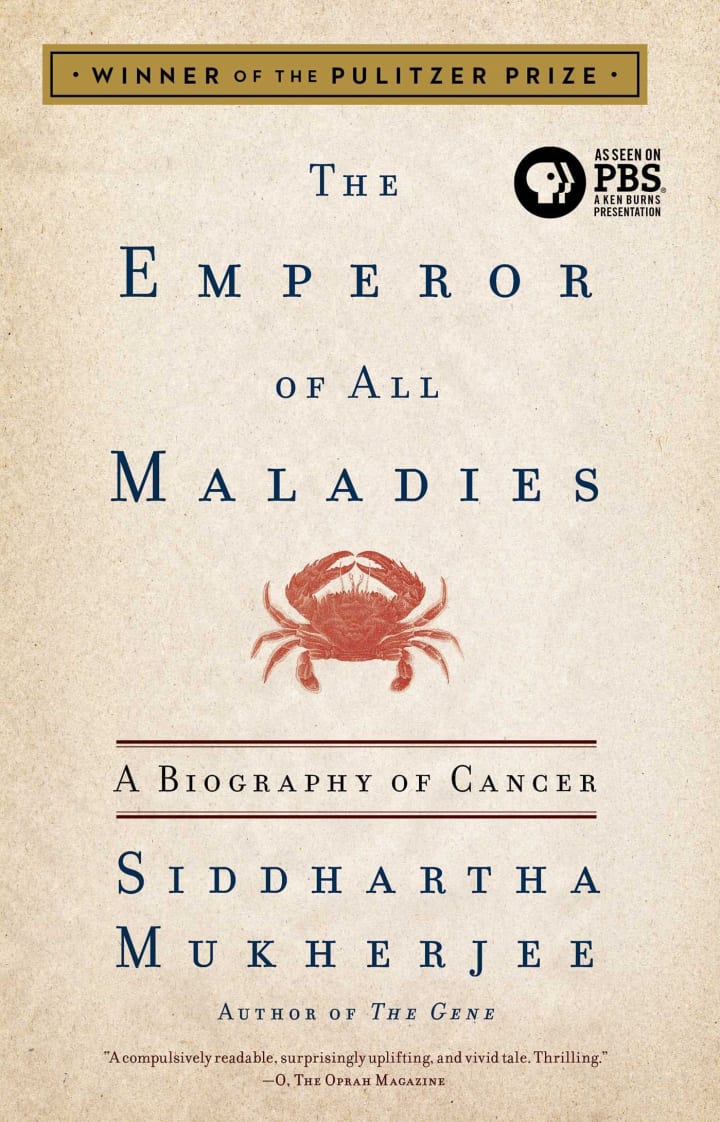
11. "The Emperor of All Maladies: A Biography of Cancer" by Siddhartha Mukherjee:
Mukherjee delves into the history, science, and personal stories surrounding one of the most formidable diseases: cancer. "The Emperor of All Maladies" provides a comprehensive account of our evolving understanding of cancer and the ongoing battle to conquer it.
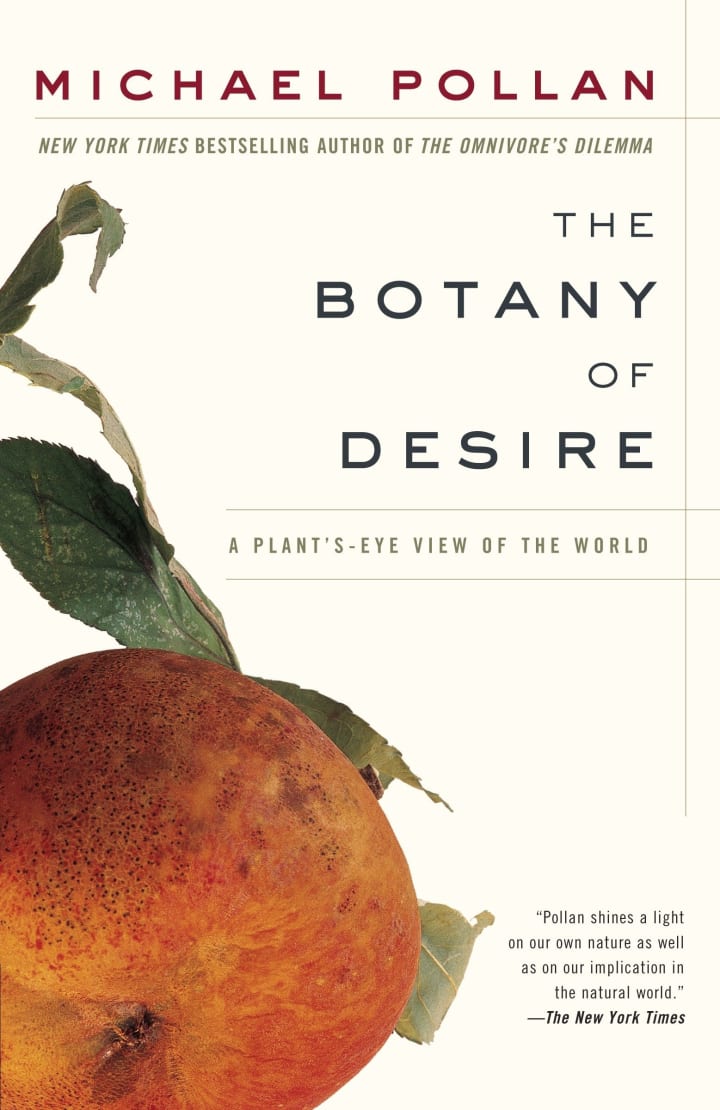
12. "The Botany of Desire: A Plant's-Eye View of the World" by Michael Pollan:
Pollan explores the intricate relationships between humans and plants, examining how plants have shaped human desires and behaviors. From the apple to the potato, "The Botany of Desire" offers a fascinating perspective on the coevolution of plants and humans.
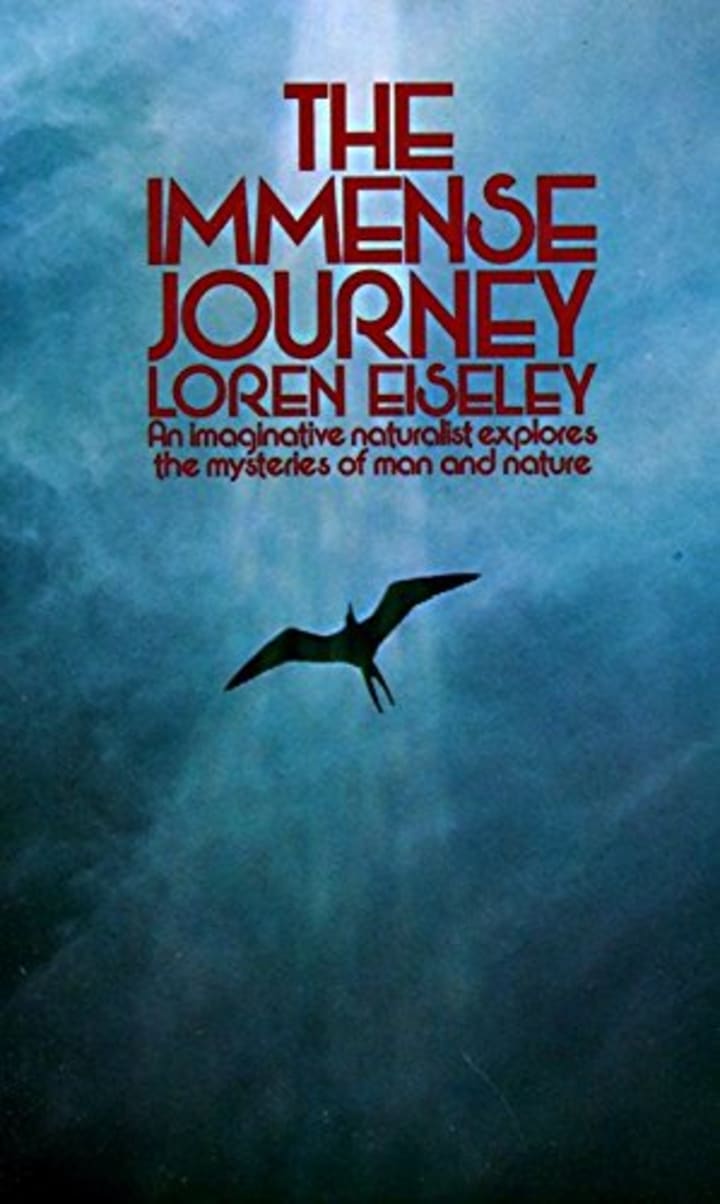
13. "The Immense Journey" by Loren Eiseley:
"The Immense Journey" takes readers on a lyrical and philosophical exploration of the history of life on Earth. Eiseley weaves together science and poetic reflection, contemplating our place in the vastness of the universe and the interconnectedness of all living things.
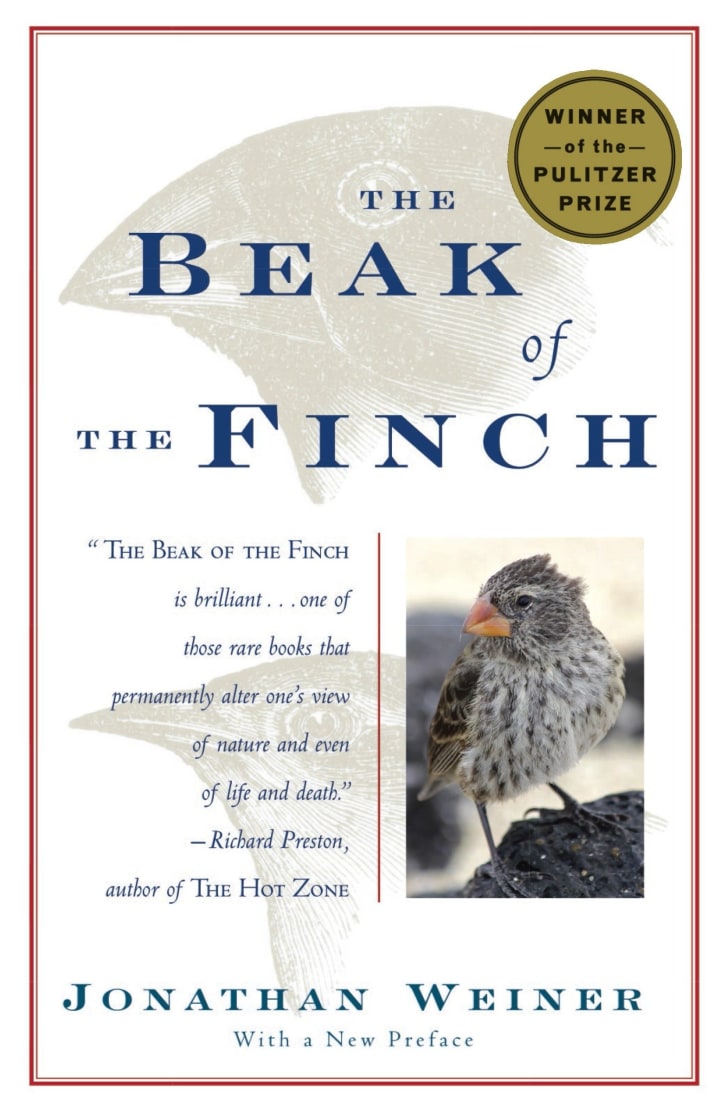
14. "The Beak of the Finch: A Story of Evolution in Our Time" by Jonathan Weiner:
In "The Beak of the Finch," Weiner follows the groundbreaking research of Peter and Rosemary Grant on the Galapagos finches. This book provides a compelling account of evolutionary change in action and the impact of environmental factors on natural selection.
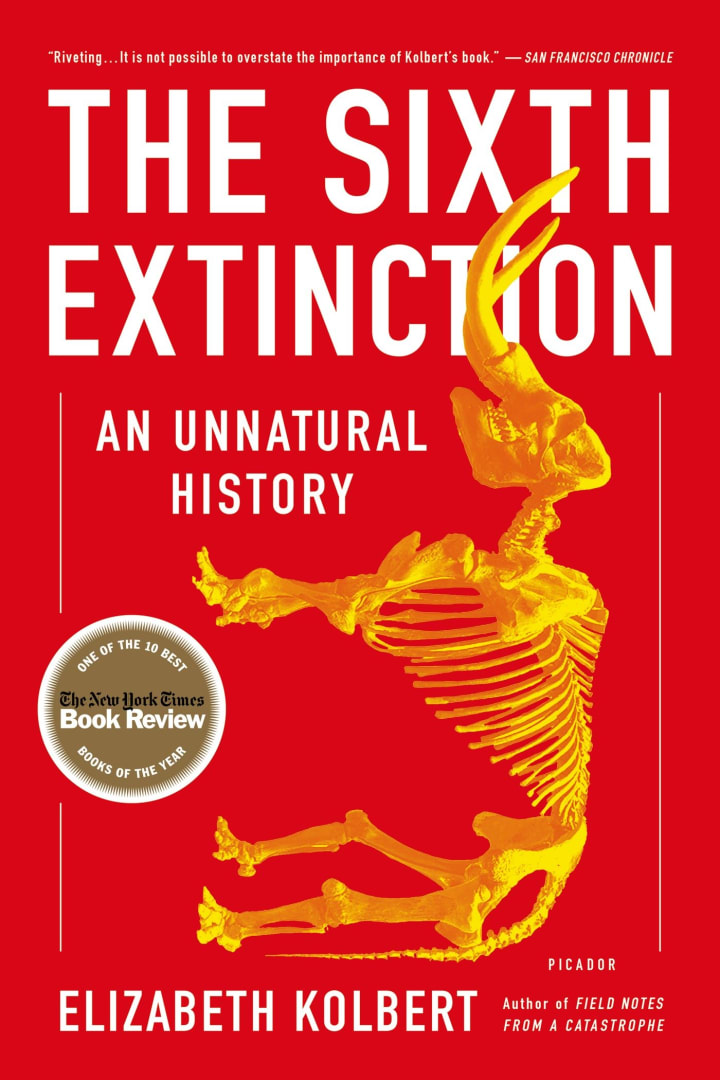
15. "The Sixth Extinction: An Unnatural History" by Elizabeth Kolbert:
Kolbert explores the current mass extinction crisis and its causes, drawing on extensive research and firsthand accounts from around the world. "The Sixth Extinction" highlights the urgency of preserving Earth's biodiversity and the consequences of human activities on the natural world.
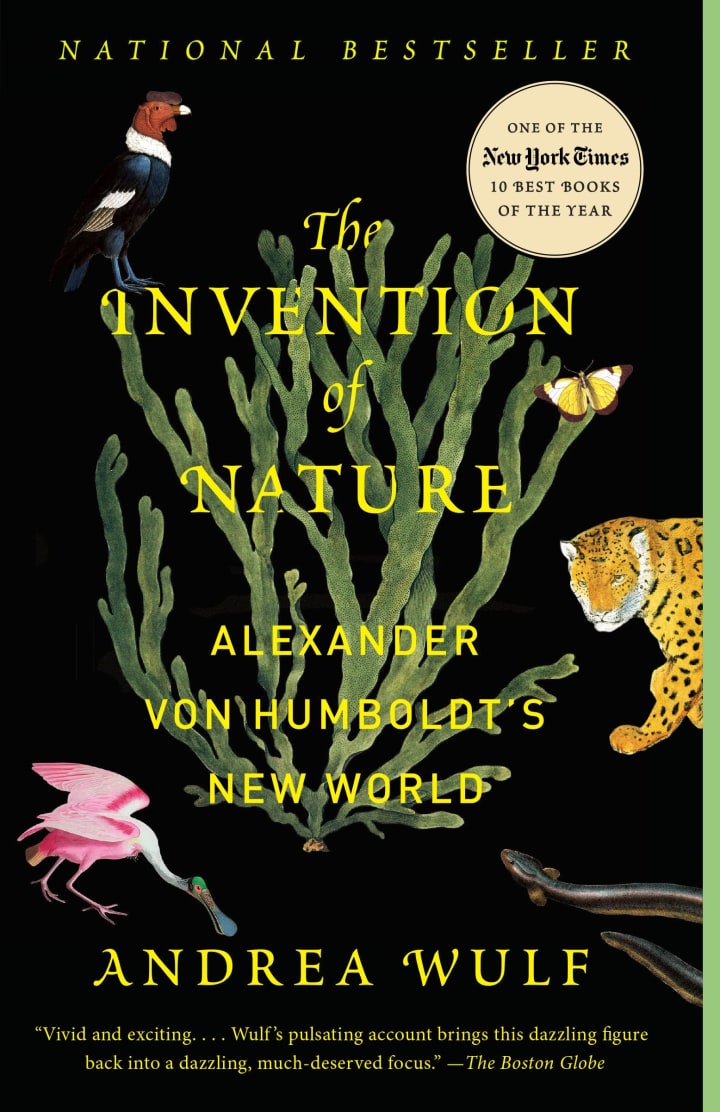
16. "The Invention of Nature: Alexander von Humboldt's New World" by Andrea Wulf:
Wulf tells the captivating story of Alexander von Humboldt, a visionary naturalist who shaped our understanding of the natural world. "The Invention of Nature" explores Humboldt's expeditions, discoveries, and his influence on environmental thinking.
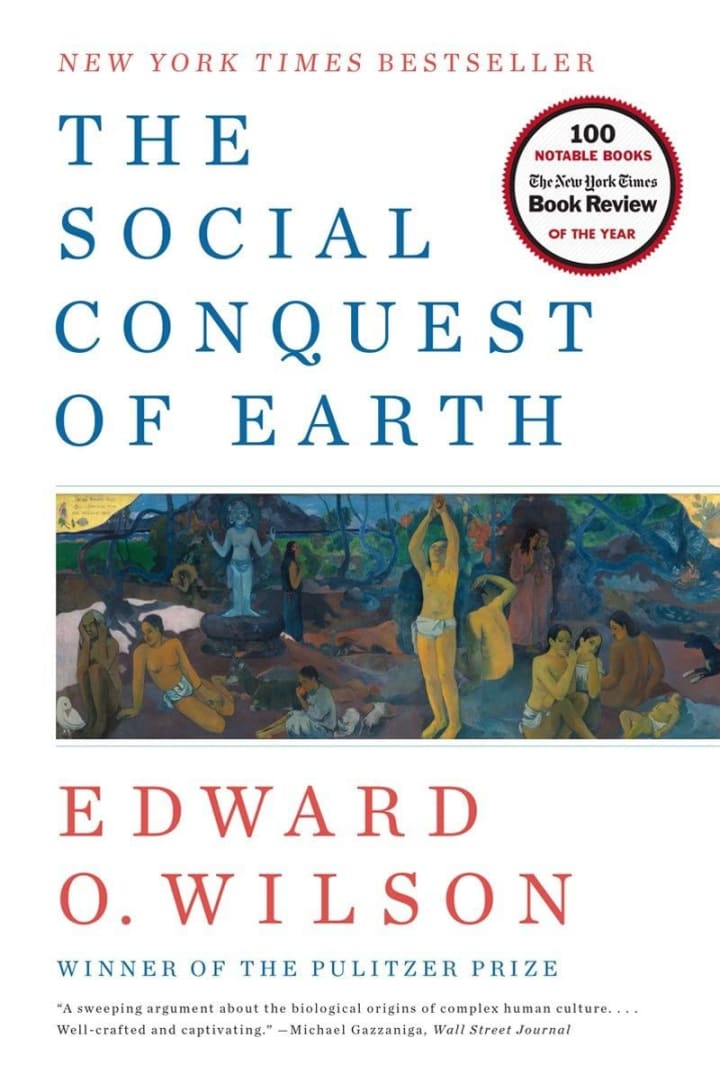
17. "The Social Conquest of Earth" by Edward O. Wilson:
Edward O. Wilson examines the social behavior of insects and humans, tracing their evolutionary origins. "The Social Conquest of Earth" offers insights into the role of sociality in the success and survival of species, highlighting the importance of cooperation and altruism.
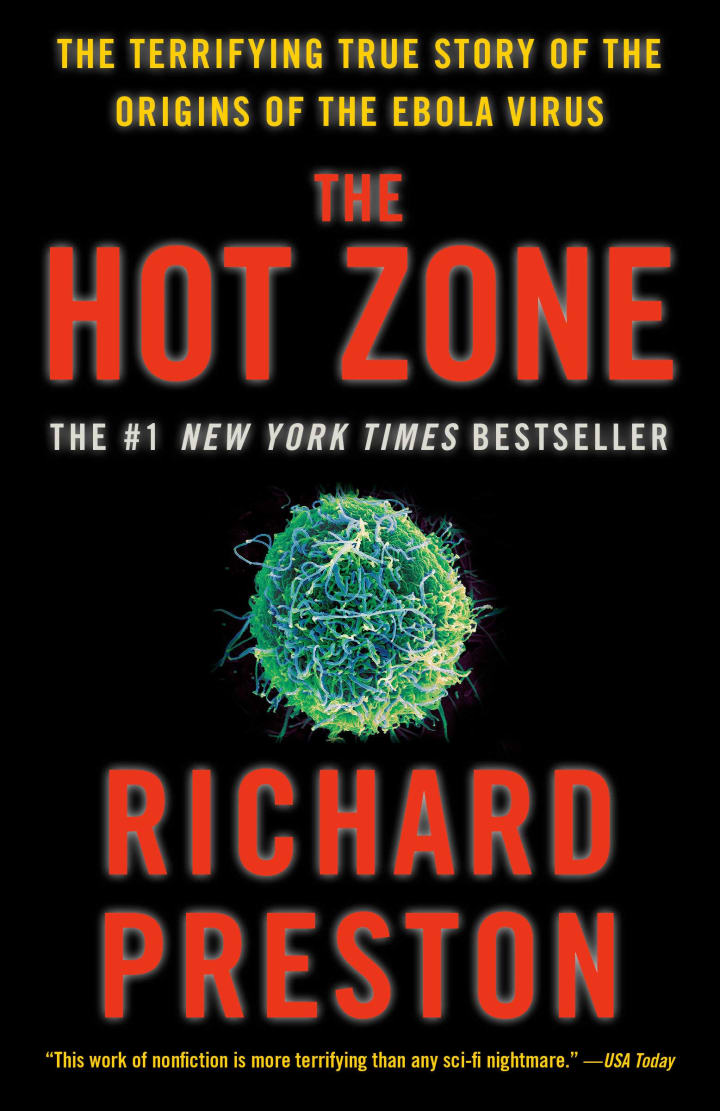
18. "The Hot Zone: The Terrifying True Story of the Origins of the Ebola Virus" by Richard Preston:
Preston provides a gripping account of the emergence and spread of deadly viruses, focusing on the Ebola virus. "The Hot Zone" takes readers into the heart of viral outbreaks and the efforts to contain them, offering a thrilling and thought-provoking read.
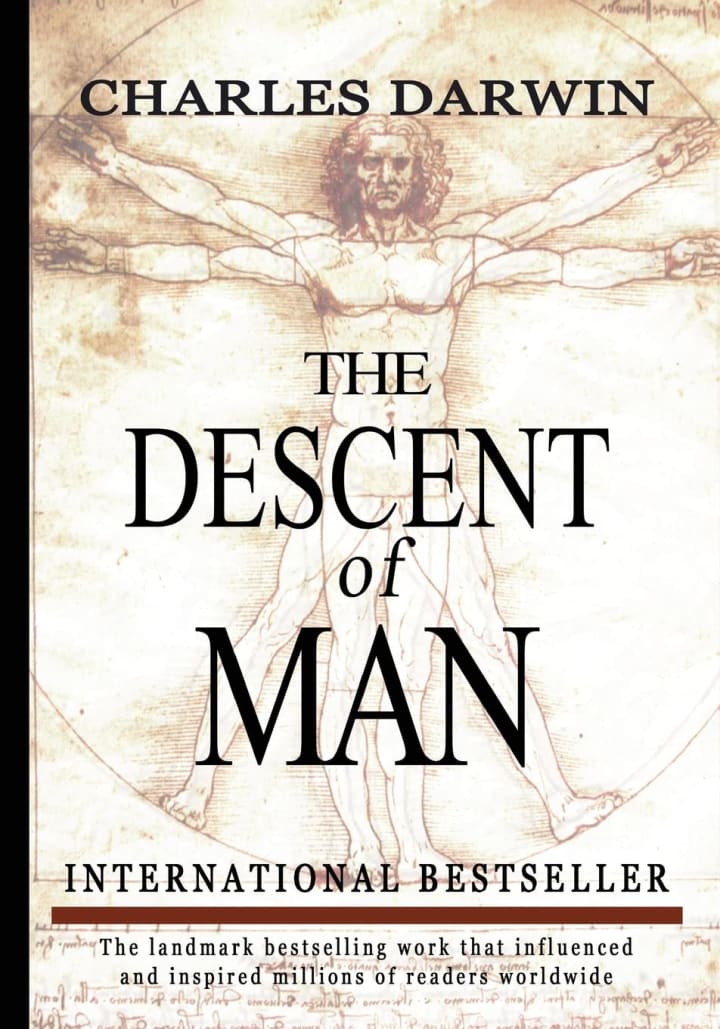
19. "The Descent of Man" by Charles Darwin:
Building upon his seminal work "The Origin of Species," Darwin explores the evolution of humans and the implications of natural selection on human societies in "The Descent of Man." This book delves into the origins of human traits and behaviors, shedding light on our evolutionary history.
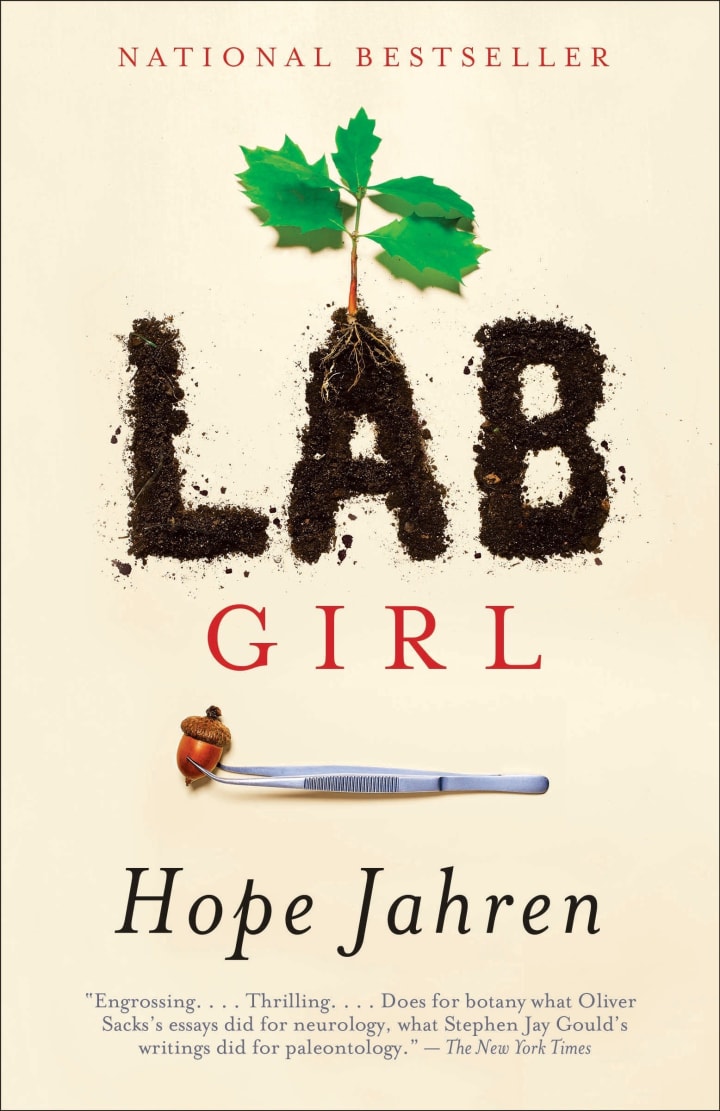
20. "Lab Girl" by Hope Jahren:
"Lab Girl" is a memoir by acclaimed scientist Hope Jahren, offering a personal and honest account of her life as a botanist. Jahren shares her passion for plants, the challenges of scientific research, and her reflections on the power of persistence and resilience.
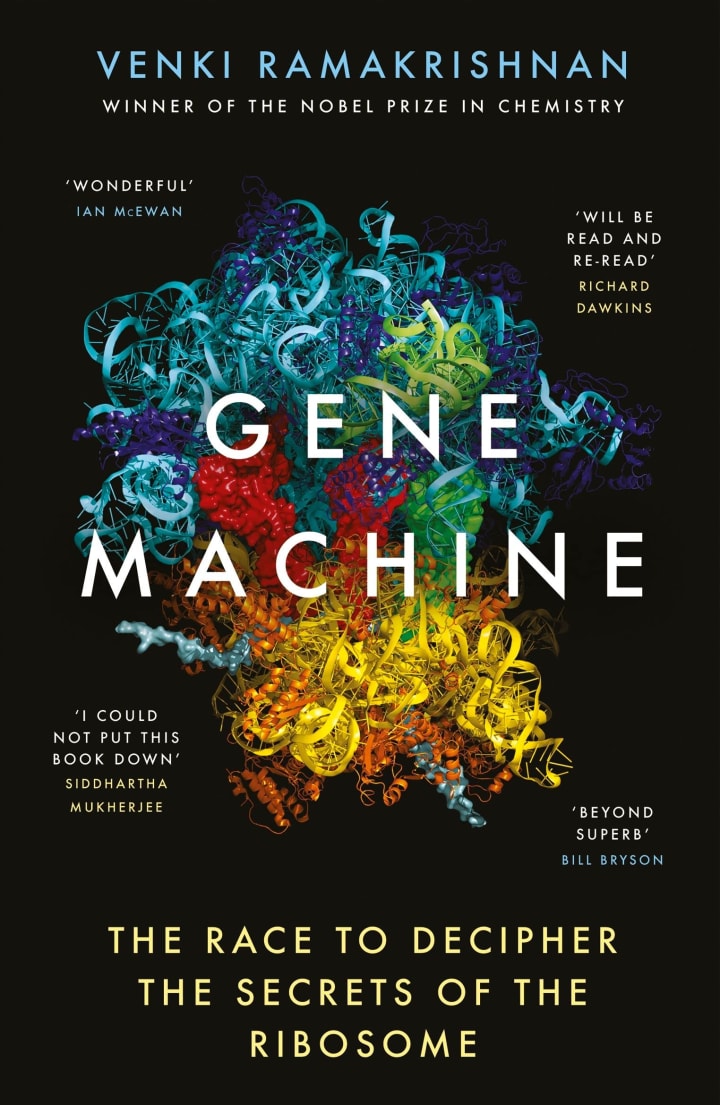
21. "Gene Machine: The Race to Decipher the Secrets of the Ribosome" by Venki Ramakrishnan:
"Gene Machine: The Race to Decipher the Secrets of the Ribosome" by Venki Ramakrishnan takes readers on an exhilarating journey through the quest to unravel the mysteries of the ribosome, a crucial molecular machine. Ramakrishnan's vivid storytelling and scientific expertise make this book a captivating exploration of the intersection of biology and discovery. A must-read for anyone fascinated by the inner workings of cells and the pioneering efforts of scientists pushing the boundaries of knowledge.
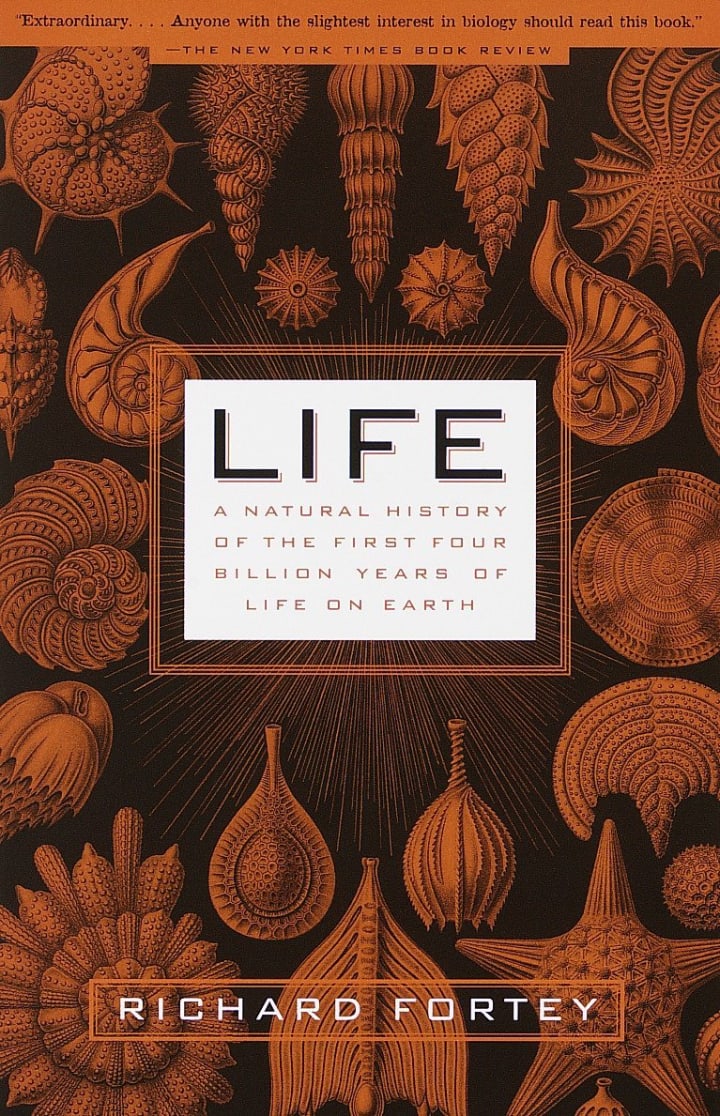
22. "Life: A Natural History of the First Four Billion Years of Life on Earth" by Richard Fortey:
In this comprehensive exploration of life's history, Fortey traces the origins and evolution of organisms over four billion years. "Life" provides a captivating narrative of the major milestones in the history of life on Earth, from the first microorganisms to complex multicellular organisms.
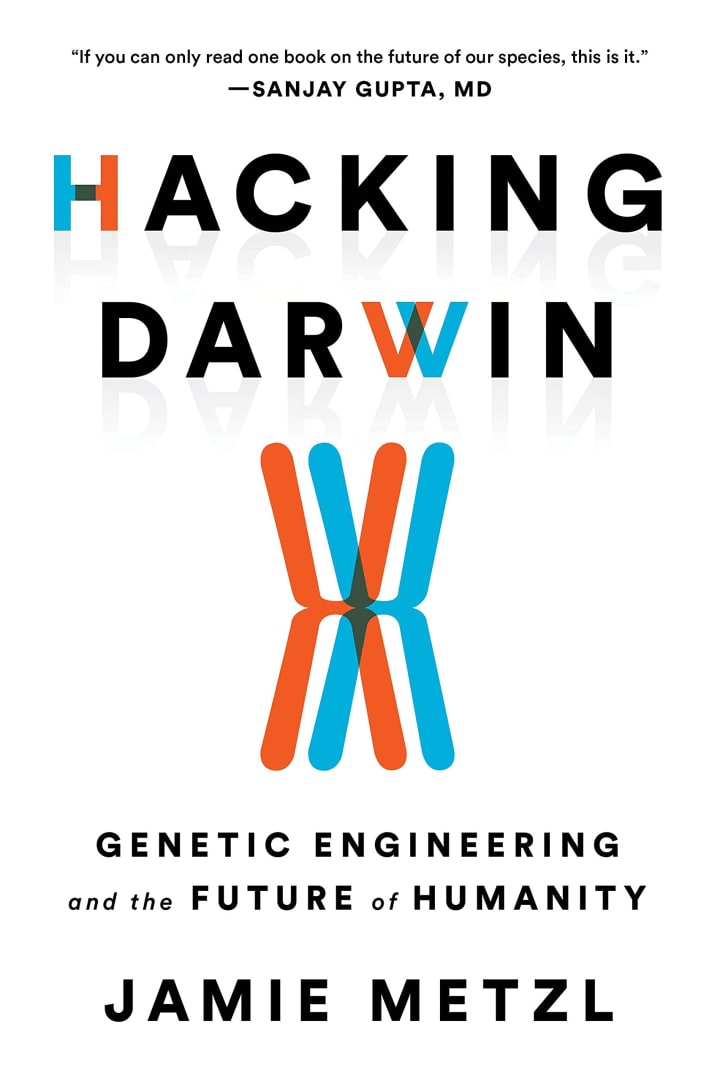
23. "Hacking Darwin: Genetic Engineering and the Future of Humanity" by Jamie Metzl:
"Hacking Darwin: Genetic Engineering and the Future of Humanity" by Jamie Metzl is a thought-provoking exploration of the ethical and technological implications of genetic engineering. Metzl presents a compelling argument for the responsible and equitable use of these advancements, raising important questions about the future of humanity. This book is a must-read for anyone interested in the intersection of genetics, technology, and ethics.
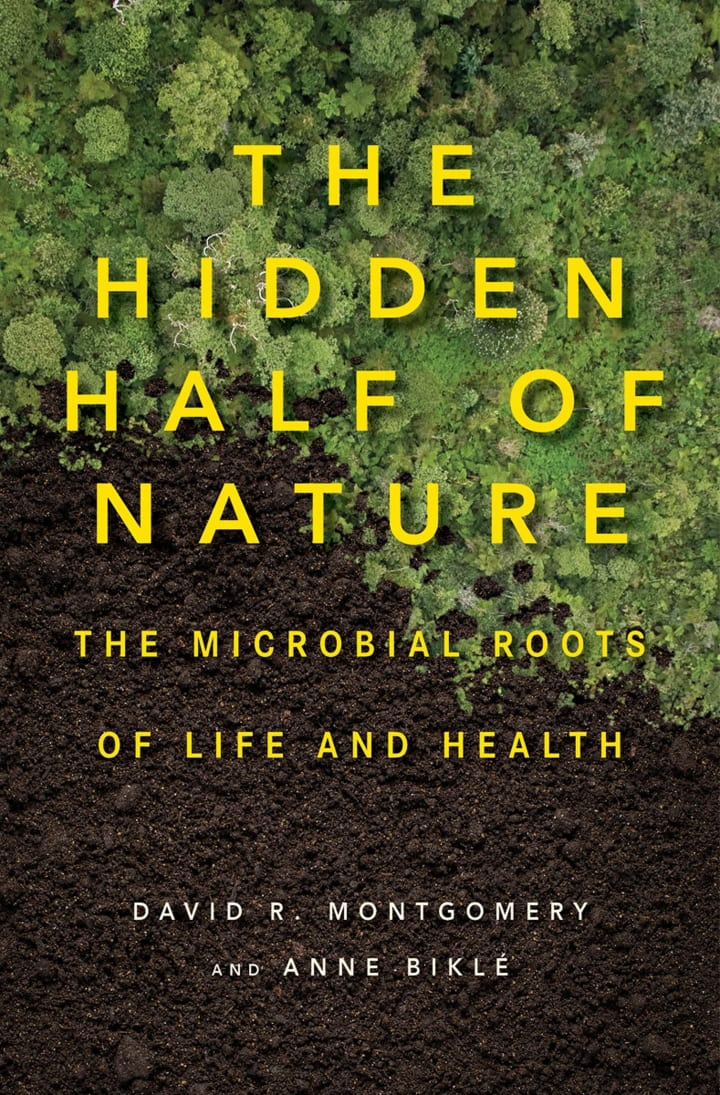
24. "The Hidden Half of Nature: The Microbial Roots of Life and Health" by David R. Montgomery and Anne Biklé:
Montgomery and Biklé explore the hidden world of microbes and their crucial role in sustaining life on Earth. "The Hidden Half of Nature" reveals the intricate connections between soil health, plant growth, and human well-being, shedding light on the importance of microbial communities.
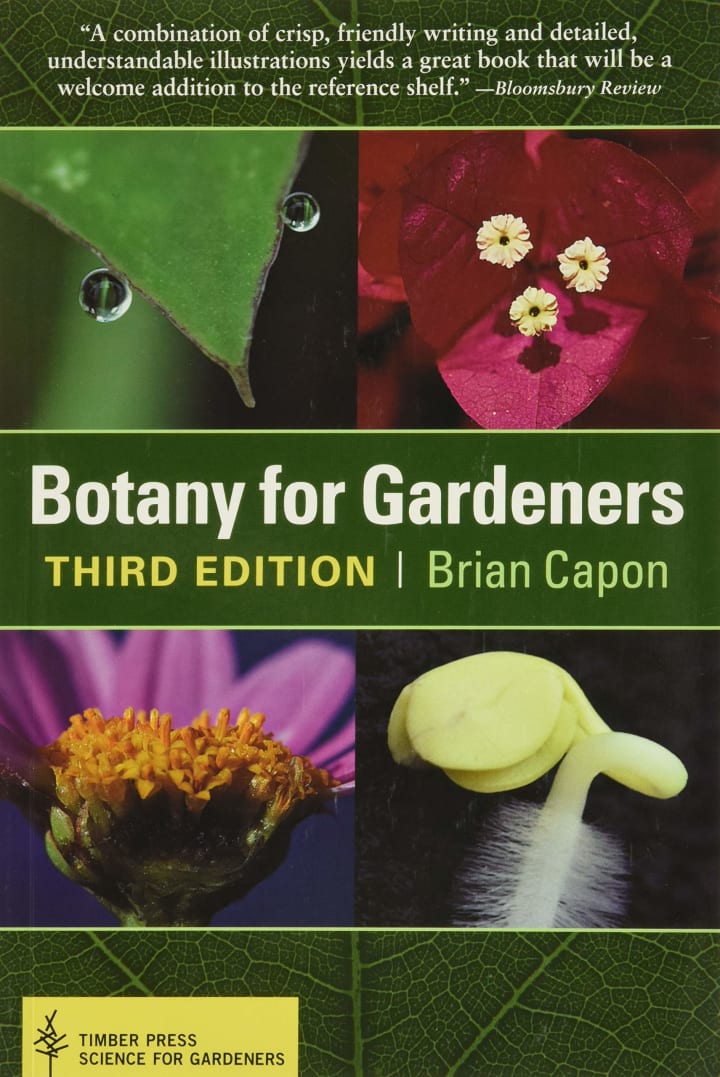
25. "The Botanical Garden" by Brian Capon:
"The Botanical Garden" is a comprehensive guide to the structure, function, and diversity of plants. Capon delves into the fascinating world of plant anatomy, physiology, and reproduction, offering a deep appreciation for the botanical wonders that surround us.
Conclusion:
These 25 books are a treasure trove for biologists, offering a wide range of perspectives, insights, and knowledge across various disciplines within the field. Whether you're captivated by genetics, fascinated by ecology, or curious about evolutionary history, these books will accompany you throughout your lifetime, providing inspiration and expanding your understanding of the natural world. Build your library with these invaluable resources and embark on a lifelong journey of exploration and discovery.
About the Creator
NovelNest Books
Book Recommendations
Keep reading
More stories from NovelNest Books and writers in Education and other communities.
Top 25 Books For Chemists: That Will Stay by Your Side Throughout Your Lifetime!
Chemistry is a fascinating field that lies at the heart of scientific exploration and discovery. Whether you are a beginner just starting your journey or an experienced chemist looking to deepen your knowledge, having the right books by your side is essential. In this blog post, we will explore the top 25 books for chemists that will serve as invaluable resources throughout your lifetime. These books cover a wide range of topics, from fundamental principles to advanced concepts, and are written by renowned authors in the field. Let's dive in!
By NovelNest Books3 years ago in Education
Avoiding Common Counterfeit U.S. Coins: Expert Tips from Laura Bennett
Expert Guide to Spotting Fake U.S. Coins I’ve handled tens of thousands of coins in my career, and that moment of doubt—the gut feeling something isn’t right—is something every collector experiences. That feeling isn't a weakness; it's your best line of defense. This guide is your toolkit to turn that doubt into decisive action. I’ll share the same systematic approach I use to separate the real treasures from the clever fakes, so you can build your collection with confidence.
By Laura Bennett6 days ago in Education
The Devil's Cut
“Comrade, finally you’re awake.” The voice was smooth, sensual. A flickering incandescent bar was all that lit the white, sterile room. All Vladimir remembered was everything going black. He tried to move his arms and found them strapped to the gurney.
By Matthew J. Fromm5 days ago in Fiction



Comments
There are no comments for this story
Be the first to respond and start the conversation.