

I. Introduction
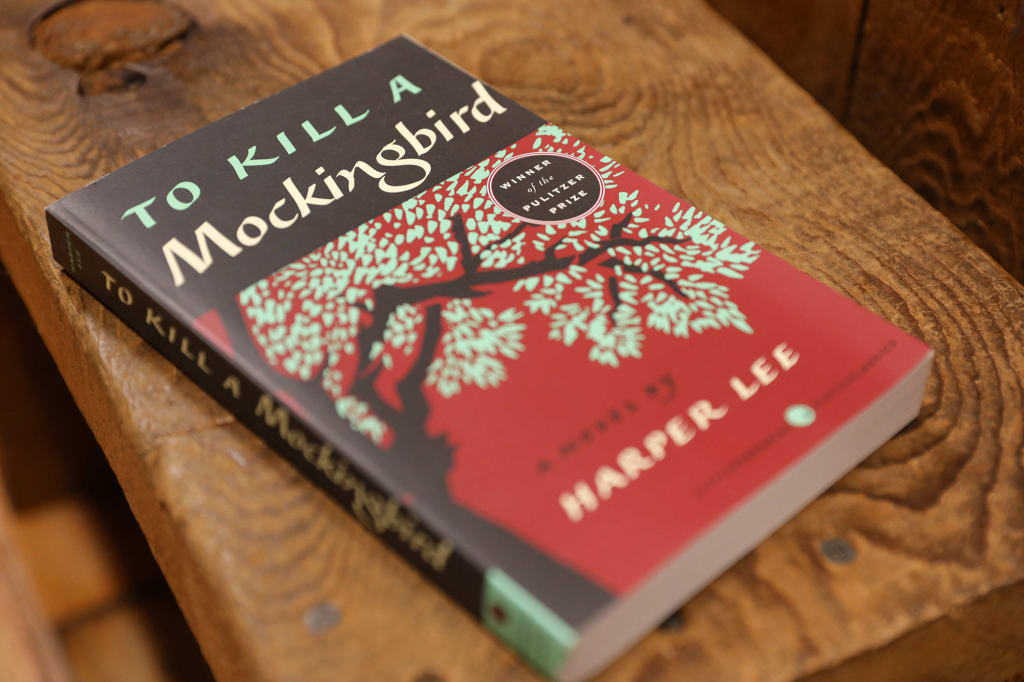
"To Kill a Mockingbird" is a classic American novel written by Harper Lee and published in 1960. Set in the 1930s in the fictional town of Maycomb, Alabama, the book explores themes of racism, justice, and morality through the eyes of its young protagonist, Scout Finch. The book was an immediate critical and commercial success and went on to win the Pulitzer Prize in 1961. Harper Lee, who passed away in 2016, is widely regarded as one of the most influential and important American writers of the 20th century.
"To Kill a Mockingbird" is set in the 1930s in the Deep South of the United States, a time and place marked by racial inequality, segregation, and discrimination. Jim Crow laws, which enforced racial segregation in public places and institutions, were still in effect in many parts of the country, and African Americans faced widespread violence and intimidation.
The Great Depression, which began in 1929, had a profound impact on the United States and created widespread economic hardship and social upheaval. Many rural communities, like Maycomb in the book, were particularly hard hit by the economic downturn. The book's setting is also influenced by the author's own experiences. Harper Lee grew up in Monroeville, Alabama, a small town much like Maycomb, and drew on her own observations and memories of life in the South during the 1930s to create the book's vivid and detailed setting.
The purpose of this review is to provide an analysis and evaluation of "To Kill a Mockingbird" by Harper Lee, considering its historical and social context, themes, characters, writing style, and impact. Additionally, the review aims to offer a personal response to the book and to recommend it (or not) to other readers.
II. Summary
"To Kill a Mockingbird" is a coming-of-age story that follows the adventures of Scout Finch, a young girl growing up in the fictional town of Maycomb, Alabama, in the 1930s. Along with her older brother Jem and their friend Dill, Scout spends her summers playing and exploring the town, but soon becomes aware of the deep-seated racial and social prejudices that exist in Maycomb. The story centers around the trial of Tom Robinson, a black man falsely accused of raping a white woman. Scout's father, Atticus Finch, is a respected lawyer and takes on Tom's case, despite the town's widespread racism and hostility. As the trial unfolds, Scout and Jem learn about the injustices of the legal system and witness firsthand the bigotry and cruelty of their fellow townspeople.
Throughout the book, Scout and Jem are also haunted by the reclusive and mysterious Boo Radley, a neighbor who is rumored to be a dangerous criminal. Despite their initial fear and fascination, Scout and Jem eventually come to see Boo as a human being, not a monster, and begin to understand the importance of empathy and compassion. In the end, Tom Robinson is found guilty, despite Atticus's best efforts to prove his innocence. The trial and its aftermath have a profound impact on Scout, Jem, and their community, and lead to a deeper understanding of the complex and painful realities of life in the segregated South.
There are several major themes and motifs that emerge throughout "To Kill a Mockingbird". These include:
Racial Injustice: The book explores the pervasive racism and discrimination that existed in the Deep South during the 1930s, particularly in the criminal justice system.
Coming of Age: Through the eyes of its young protagonist, the book explores themes of growth, maturity, and the loss of innocence.
Moral and Ethical Responsibility: The book examines the responsibility of individuals to stand up for what is right, even when it is difficult or unpopular.
Prejudice and Stereotyping: The book highlights the dangers of prejudging people based on their race, social status, or appearance, and the importance of looking beyond surface-level differences to find common ground.
Empathy and Compassion: The book stresses the importance of understanding and empathizing with others, even those who are different from us, and of showing compassion and kindness towards all people.
Symbolism: The book uses several recurring motifs, such as the mockingbird and the treehouse, to represent key themes and ideas.
III. Analysis
Strengths:
Compelling and Timely Themes: "To Kill a Mockingbird" addresses important themes that continue to resonate with readers today, such as racial injustice, moral responsibility, and coming of age.
Memorable Characters: The book features memorable and well-developed characters, particularly Scout, Atticus, and Boo Radley, who have become iconic figures in American literature.
Vivid and Authentic Setting: Harper Lee's portrayal of small-town life in the South during the 1930s is vivid, detailed, and authentic, drawing on her own experiences growing up in Alabama.
Beautiful Prose: The writing style in "To Kill a Mockingbird" is elegant and sophisticated, with beautiful descriptions and dialogue that capture the Southern dialect and way of life.
Weaknesses:
Slow Pacing: The book can be slow-paced at times, with long stretches of exposition and description that may not hold the reader's attention.
Limited Perspective: Because the book is narrated from the perspective of a young girl, the narrative may be limited in its ability to fully explore and develop some of the more complex themes and ideas.
Stereotypical Characters: While the book features many well-developed and nuanced characters, some of the supporting characters, particularly the African American characters, may be seen as overly simplistic or stereotypical.
Overall, "To Kill a Mockingbird" is a powerful and important novel that continues to captivate readers more than 60 years after its initial publication. While it may have some weaknesses, its strengths far outweigh them, making it a must-read for anyone interested in American literature, history, or social justice.
IV. Conclusion
"To Kill a Mockingbird" is a classic novel that continues to resonate with readers today. Harper Lee's exploration of themes such as racial injustice, morality, and the loss of innocence is both thought-provoking and timeless. The book's well-developed characters, engaging plot, and poignant messages make it a must-read for anyone interested in exploring the complexities of human nature and the challenges of building a just and equitable society. Despite its flaws, "To Kill a Mockingbird" remains a powerful work of literature that continues to inspire readers to think critically about the world around them.
"To Kill a Mockingbird" has had a significant impact on American literature and society. The novel's exploration of racial injustice and its call for empathy and understanding continue to resonate with readers and inspire discussions on topics such as social justice, morality, and human nature. Through its well-drawn characters and compelling plot, the book has also served as a powerful tool for empathy and understanding, helping readers to see the world from the perspectives of others and to recognize the harm caused by prejudice and discrimination. Overall, "To Kill a Mockingbird" is an enduring work of literature that continues to challenge and inspire readers to strive for a more just and equitable society.
About the Creator
Book Man Review
I will provide the latest and best book reviews from around the world, making it easy for everyone to understand and saving them time.
Keep reading
More stories from writers in Education and other communities.
The Duelist
The rays of a dying red sun flashed against the onrushing blade. The grey beards say the key to dueling lies in size, speed, reach, righteous fury, whatever the person in front of them pays them to say. Matteo knew better than any it was none of these and had an undefeated record on these sands to prove it.
By Matthew J. Fromm3 days ago in Fiction




Comments
There are no comments for this story
Be the first to respond and start the conversation.