
Tips That Can Help You Spot Fake Jewelry
Avoid Being Fooled: A Practical Guide to Identifying Imitation Jewelry

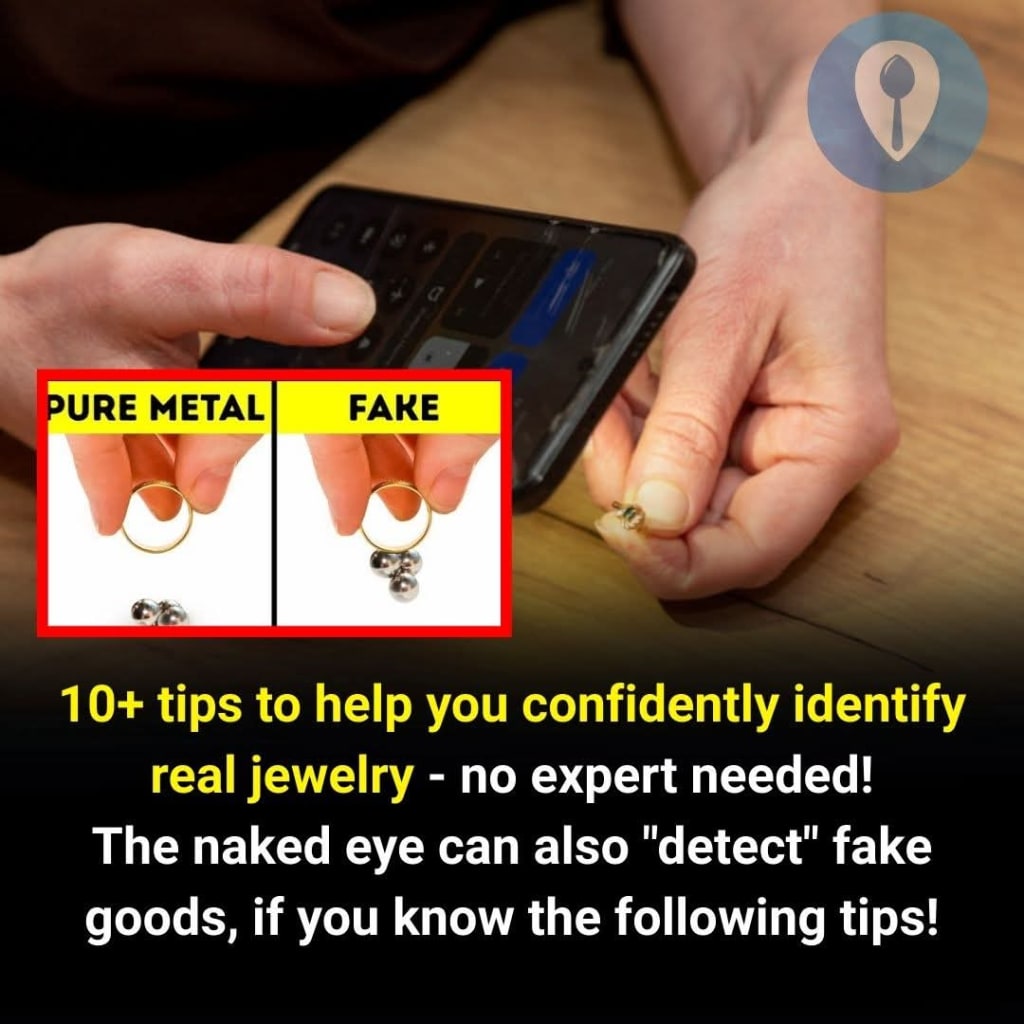
Jewelry has long been a symbol of beauty, wealth, and personal expression. Whether it’s a diamond engagement ring, a gold necklace, or a gemstone bracelet, authentic jewelry carries value and sentiment. Unfortunately, the market is flooded with counterfeit and imitation pieces that look real but lack the quality and value of genuine jewelry. Spotting fake jewelry can be challenging, especially for those who are not trained gemologists. However, with the right knowledge and a few simple tips, you can avoid falling for fakes. This article outlines practical ways to identify counterfeit jewelry and make smarter purchases.
---
1. Check for Hallmarks and Stamps
Genuine gold, silver, and platinum jewelry usually have small markings called hallmarks that indicate metal content and authenticity. For example:
Gold may be marked as 10K, 14K, 18K, or 24K.
Sterling silver often carries a “925” stamp (meaning 92.5% silver).
Platinum might be labeled with “PT” or “950.”
Look closely using a magnifying glass or jeweler’s loupe. Absence of any markings—or poorly stamped or misspelled ones—could be a red flag.
---
2. Use a Magnet
Most precious metals like gold, silver, and platinum are not magnetic. You can use a simple magnet test at home to check the authenticity of metal jewelry. If your jewelry is strongly attracted to a magnet, it's likely made of a cheaper metal or plated with a thin layer of the real metal.
However, be aware that some fake jewelry is made from non-magnetic metals, so this test should be used alongside others.
---
3. Inspect the Weight and Feel
Authentic metal jewelry tends to have a heavier, more solid feel. Fake or plated jewelry often feels lighter due to the use of cheaper materials like aluminum or brass. Likewise, genuine stones such as diamonds or sapphires will feel cold to the touch and retain that coolness, while glass or plastic imitations will warm up quickly.
Hold the piece in your hand and compare its weight to a verified real item of similar size. If it feels too light, it might be a fake.
---
4. Look at the Details
Craftsmanship is one of the biggest giveaways. Real jewelry—especially from reputable brands—will have clean, sharp lines, securely set stones, and a well-polished finish. Fake jewelry might look rough, have uneven settings, or display sloppy glue marks.
Check the prongs holding any stones. In real pieces, prongs are sturdy and well-made. Fakes may have glue instead of prongs or poorly aligned stone settings.
---
5. Do a Scratch Test (with Caution)
Gold is a soft metal. In a discreet spot, you can scratch the surface gently with a ceramic plate or touchstone to see the streak color. Real gold will leave a gold streak, while fake gold may leave a black or green mark.
This method should be used very carefully, preferably by professionals or on unimportant pieces, since it can damage the item if done improperly.
---
6. Use the Fog Test for Diamonds
To check if a diamond is real, breathe on it as if fogging a mirror. A real diamond disperses heat quickly and the fog will vanish almost instantly. A fake stone will retain the fog for a few seconds longer.
This test is not 100% foolproof but can help spot obvious fakes when combined with other methods.
---
7. Check the Price and Source
If a deal seems too good to be true—it probably is. Authentic jewelry, especially with real diamonds or gold, carries significant cost. Be skeptical of incredibly cheap offers or online deals without verification or certification.
Always buy from reputable stores or certified dealers, and ask for certificates of authenticity, especially when purchasing gemstones or luxury items.
---
8. Conduct a Water Test for Gold
Real gold is dense and will sink in water. Drop the item in a glass of water—if it floats or moves unusually slow, it might be fake or hollow. Keep in mind that this is not a definitive test, but it can help reveal obviously fake pieces.
---
9. Gemstone Inspection: Clarity and Color
Genuine gemstones often have minor imperfections called inclusions. These are natural flaws that indicate authenticity. If a stone appears flawless or overly vibrant in color, it might be synthetic or glass.
A jeweler’s loupe or magnifying glass can help inspect for imperfections, air bubbles (a sign of glass), and consistent coloring (a sign of artificial stones).
---
10. Seek a Professional Appraisal
If you’re ever in doubt, take your jewelry to a certified gemologist or reputable jeweler for an evaluation. Professional tools like electronic gold testers, diamond testers, and x-ray fluorescence machines can confirm the authenticity and metal content without damaging the piece.
Appraisals are especially recommended for high-value items like engagement rings, antique jewelry, or gemstone-studded pieces.
---
Conclusion
Fake jewelry has become increasingly sophisticated, but by learning how to examine the weight, markings, magnetism, craftsmanship, and origin of your items, you can greatly reduce the risk of being deceived. Use a combination of the tips above for the most accurate results.
Whether you’re buying, selling, or just curious, being able to spot fake jewelry is a useful skill. It not only protects your wallet but also ensures that your treasured pieces are worth their emotional and financial value. When in doubt, trust a professional—and remember: when it comes to jewelry, quality always shows.
About the Creator
Keep reading
More stories from DigitalAddi and writers in Education and other communities.
Scientists Found a Way to Turn Cancer Cells Back Into Normal Cells
In a groundbreaking development that could revolutionize cancer therapy, scientists have discovered a method to reprogram cancer cells and restore them to their original, healthy state. This novel approach challenges the traditional notion of merely destroying cancer cells and instead seeks to “heal” them — potentially changing the course of how cancer is treated in the future.
By DigitalAddi9 months ago in Education
Learn Fast, Play Smart
Modern trends demand a total recalibration of how people acquire new abilities. Information arrives in bursts, requiring a strategy that favors speed and precision over the slow methods of the past. Because of that, traditional education often feels heavy and static, while the digital era is fluid and relentless.
By Angela Ash5 days ago in Education


Comments
There are no comments for this story
Be the first to respond and start the conversation.