
Things must be known before start Trading
Simple Guide
By Kaviarasan s Published 3 years ago • 4 min read
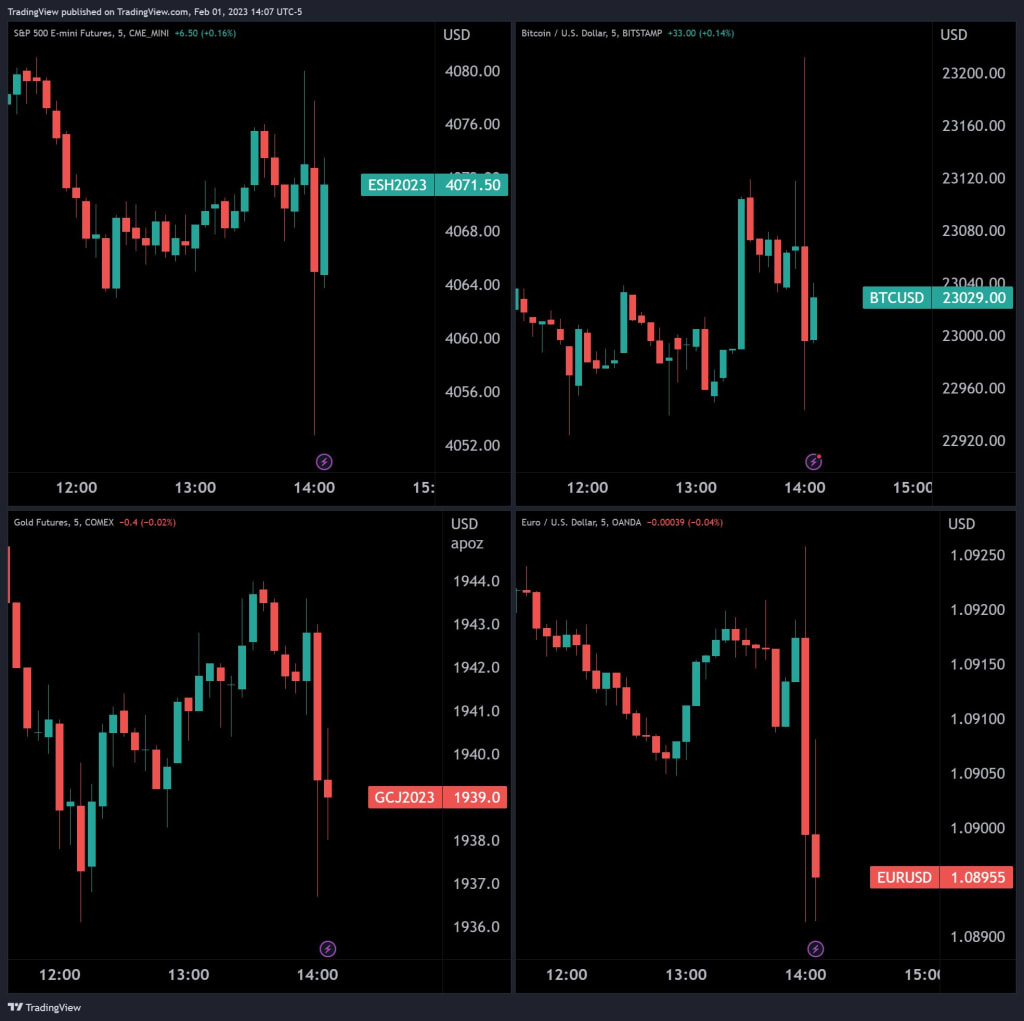
Market knowledge
- Understanding the market in which you want to trade, including its history, current trends, and key players.
- Market knowledge is a crucial aspect of successful trading. It involves understanding the market in which you want to trade, including its history, current trends, and key players. Some important components of market knowledge for traders include:
- Market participants: Knowing who the key participants are in the market, including large institutional investors, retail traders, and market makers.
- Market structure: Understanding the structure of the market, including the number of buyers and sellers, the level of liquidity, and the level of volatility.
- Market data: Familiarizing yourself with key market data, such as price charts, trading volumes, and economic indicators, and using this data to inform your trading decisions.
- Historical trends: Analyzing historical market trends to identify patterns and make informed predictions about future market movements.
- News and events: Staying informed about news and events that may impact the market, such as monetary policy decisions, geopolitical events, and natural disasters.
- Market psychology: Understanding the psychology of market participants and how emotions can impact market movements.
Investment goals
- Investment goals are a crucial aspect of successful trading, as they help define the purpose of your trades and guide your investment decisions. Some common investment goals for traders include:
- Short-term gains: Seeking to make quick profits through buying and selling assets within a short time frame.
- Long-term growth: Seeking to build wealth over the long term by holding onto assets for an extended period of time and reaping the benefits of capital appreciation.
- Income generation: Seeking to generate regular income through strategies such as dividend investing or selling options.
- Diversification: Seeking to diversify your portfolio by investing in a range of assets to minimize risk.
- Speculation: Seeking to profit from market movements by making high-risk, high-reward trades.
- Defining your investment goals before you start trading can help you make informed decisions and align your trades with your overall financial objectives. It is also important to regularly reassess your investment goals to ensure that they continue to align with your current financial situation and investment strategy.
- Defining your investment goals, such as short-term gains or long-term growth, and aligning your trades with these goals.
Risk tolerance
- Risk tolerance is an individual's willingness and ability to take financial risks. In the context of trading, it refers to the amount of risk that a trader is willing to take on in order to achieve their investment goals. Some important factors to consider when assessing your risk tolerance include:
- Financial situation: Your current financial situation, including your net worth, income, and debt levels, will impact your ability to tolerate risk.
- Investment goals: Your investment goals will also impact your risk tolerance, as some goals may require a higher level of risk than others.
- Personality: Your personal personality, including your level of risk aversion, will also impact your risk tolerance.
- Experience: Your experience as a trader will also play a role in determining your risk tolerance, as you may become more or less risk-averse as you gain experience.
- Market conditions: The current market conditions will also impact your risk tolerance, as some markets may be more volatile and unpredictable than others.
- It is important to assess your risk tolerance before you start trading, as taking on too much risk can lead to significant financial losses. On the other hand, taking on too little risk may prevent you from achieving your investment goals. The key is to find a balance that aligns with your investment goals and allows you to sleep well at night.
- Assessing your personal risk tolerance, which will help you determine which trades are suitable for you and how much money you are willing to invest.
Trading strategies
- Trading strategies are an essential aspect of successful trading, as they help guide your investment decisions and increase your chances of success. Some common trading strategies include:
- Trend following: This strategy involves identifying the direction of the market trend and following it by buying assets that are rising in price and selling assets that are falling in price.
- Value investing: This strategy involves seeking out undervalued assets with the expectation that their prices will rise over time.
- Momentum trading: This strategy involves seeking out assets that are exhibiting strong price momentum and buying into the trend in the hope that it will continue.
- Swing trading: This strategy involves holding onto assets for a few days to a few weeks in order to take advantage of short-term price swings.
- Options trading: This strategy involves buying and selling options contracts, which give the buyer the right, but not the obligation, to buy or sell an underlying asset at a set price.
- Scalping: This strategy involves making a large number of trades in a short time frame, with the goal of profiting from small price movements.
- Each trading strategy has its own unique risks and rewards, and the best strategy for you will depend on your investment goals, risk tolerance, and market knowledge. It is important to carefully consider your options and seek out the strategies that align with your investment goals and risk tolerance. Additionally, it is important to continually monitor and adapt your trading strategy as market conditions change.
- Familiarizing yourself with different trading strategies, including technical analysis and fundamental analysis, and choosing a strategy that works best for you.
Trading platform
- Selecting a trading platform that meets your needs, including features such as charting tools, market data, and order execution.
Regulatory environment
- Being aware of the legal and regulatory environment in which you are trading, including any laws and regulations that apply to your specific market.
Financial management
- Developing a plan for managing your finances, including setting a budget and determining how much money you can afford to invest.
Emotional control
- Staying emotionally controlled and avoiding impulsive decisions, which can lead to significant losses.
Continual learning
- Staying informed about market developments and continually educating yourself about the trading process to improve your skills and knowledge.
- Remember, trading can be a highly speculative and risky activity, and it is important to thoroughly research and understand the market before making any trades.
About the Creator
Keep reading
More stories from Kaviarasan s and writers in Education and other communities.
Understanding How Argo Turboserve Aerospace Components Support Modern Aviation Engineering
In aviation engineering, I have always believed that reliability is built through precision manufacturing and strict quality control. Aircraft systems depend on thousands of specialized parts working together seamlessly, and one of the manufacturers that appears in aerospace supply catalogs is Argo Turboserve Corporation.
By Beckett Dowhan7 days ago in Education




Comments
There are no comments for this story
Be the first to respond and start the conversation.