
The Value of Money: Understanding Its Role in Society and Economy
How Trust, Utility, and Perception Shape the Power of Currency

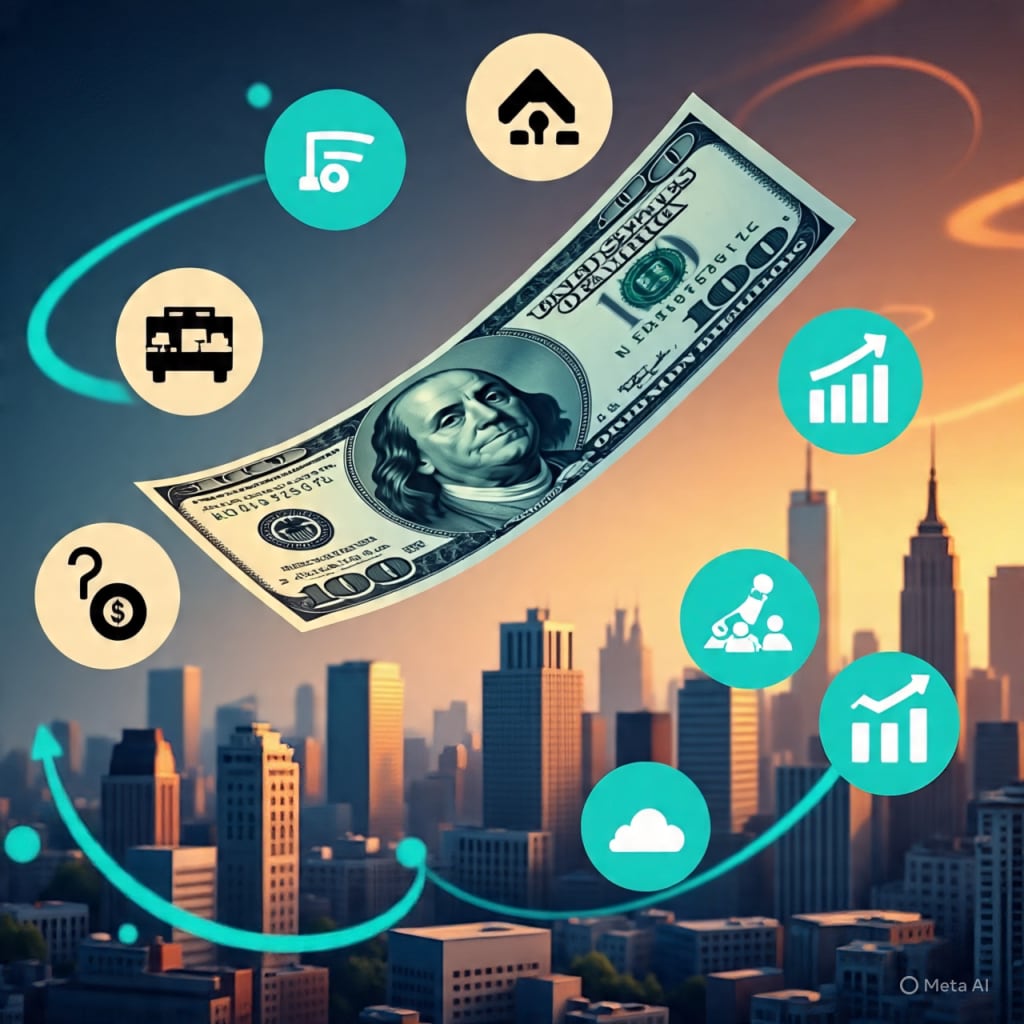
The Value of Money
Money is one of the most powerful forces in the modern world. It influences decisions, behaviors, economies, and even entire cultures. Yet, despite its importance, money’s true value is often misunderstood. The value of money is not inherent in the physical currency itself—whether it's a coin, a banknote, or a digital transaction. Instead, it is shaped by various factors, including perception, utility, scarcity, and the trust that society places in it.
At its core, money is a medium of exchange. Historically, people traded goods and services directly through barter systems, but as societies grew more complex, it became clear that an intermediary was needed to facilitate these exchanges. This led to the creation of money, which allowed people to exchange goods and services without needing to directly match the wants and needs of the other party. The simplicity of this system is one of the reasons why money is so valuable—it enables transactions to take place efficiently.
The intrinsic value of money, however, is limited. A dollar bill or a coin doesn’t hold any inherent worth; it’s just paper or metal. Its value is determined by the government or institution that issues it, and its purchasing power is influenced by factors such as inflation, interest rates, and supply and demand. If a currency loses the trust of the people, it becomes essentially worthless. For example, during periods of hyperinflation, such as in Zimbabwe in the late 2000s or Venezuela in the 2010s, the value of money can plummet rapidly, causing people to turn to other forms of exchange, such as foreign currencies or commodities like gold.
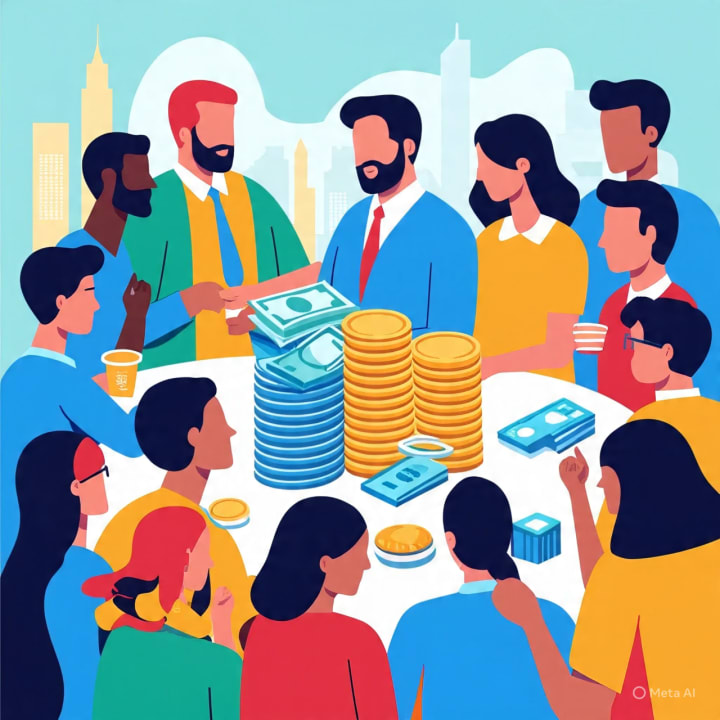
One of the most important aspects of money’s value is its purchasing power. This is the ability to buy goods and services, which is affected by inflation and deflation. Inflation erodes the value of money over time. For instance, if you could buy a loaf of bread for $1 in the 1950s, that same loaf might cost $3 today due to inflation. As prices rise, the value of money decreases, making it more difficult for people to afford the same goods and services.
Conversely, deflation increases the value of money. This is when prices drop, making goods and services cheaper, and the purchasing power of money increases. While this may sound beneficial at first, deflation can lead to economic stagnation, as consumers and businesses may delay spending in anticipation of lower prices in the future. This can create a vicious cycle of reduced economic activity, which in turn lowers wages and prices further.
The value of money is also influenced by the economic stability of a nation. Countries with stable governments, strong economies, and low levels of corruption tend to have currencies that hold their value better. Conversely, nations that experience political instability, economic crises, or high levels of corruption may see their currencies depreciate rapidly. For example, the U.S. dollar is considered one of the world’s most stable and reliable currencies due to the country’s economic strength, its political system, and the trust that global markets place in it.
Money is not just a tool for facilitating trade; it also serves as a store of value. People save money to accumulate wealth over time, whether for retirement, education, or purchasing assets. A store of value is something that can be saved and retrieved in the future without significant loss in value. While traditional forms of money, like cash, can serve as a store of value, they are susceptible to inflation, which diminishes their purchasing power. This is why people often invest in assets like real estate, stocks, or precious metals, which tend to preserve or increase in value over time.
The psychological perception of money plays a significant role in its value as well. Money is often seen as a symbol of success, security, and power. People often associate wealth with personal achievement and social status. This connection can cause individuals to place a disproportionate amount of importance on acquiring and accumulating money. This is why people work long hours, endure stress, or take risks—because they believe that money will provide them with a better quality of life or access to greater opportunities.
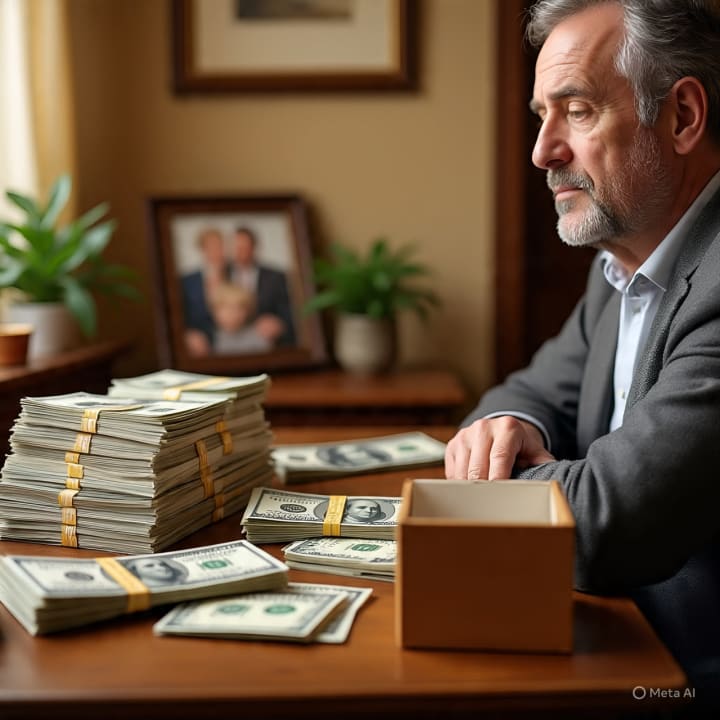
However, money’s value is not purely monetary. Its true worth is also measured by how it is used. A person who has a large sum of money but uses it to foster selfishness, exploitation, or harm to others may ultimately find that money does not bring them lasting happiness or fulfillment. On the other hand, money can be a tool for positive change if it is used to support causes, help those in need, or invest in projects that improve society.
The rise of digital currencies, such as Bitcoin, has also altered the landscape of money. These decentralized currencies are not controlled by any central authority, and their value is determined by supply and demand in online markets. While digital currencies are still relatively new and volatile, they have opened up new possibilities for individuals and businesses to engage in financial transactions without the need for intermediaries such as banks. The value of digital currencies, much like traditional money, is determined by trust and acceptance in the marketplace.
In conclusion, the value of money is a complex concept that goes far beyond the numbers printed on a banknote or the figures in a bank account. Money’s true worth is determined by its utility in facilitating exchanges, the trust placed in it, its purchasing power, and its role in storing and accumulating value. While money can be a powerful tool for improving one’s life, its value is ultimately shaped by how it is perceived, used, and the broader economic forces at play. Understanding the multifaceted nature of money’s value can help individuals make more informed decisions about how they earn, spend, and save.
About the Creator
Keep reading
More stories from MoneyOrbit and writers in Education and other communities.
The Unseen Currency: Understanding the Value of Time
Time is often referred to as the most valuable resource, yet it is simultaneously the one that most of us take for granted. Every second, minute, and hour that ticks away is an opportunity to shape our lives, but it's also something that, once lost, can never be recovered. The value of time isn't just in its passing but in how we choose to use it. Whether it's spent pursuing a career, building relationships, or simply reflecting on the present, how we allocate our time often determines the quality and meaning of our lives.
By MoneyOrbit6 months ago in Education


Comments
There are no comments for this story
Be the first to respond and start the conversation.