
The Ultimate Guide to SEO: How to Optimize Your Website for Maximum Visibility
search engine optimization
Introduction: What is SEO and Why it Matters?
Search Engine Optimization (SEO) is the process of optimizing a website to rank higher in search engine results pages (SERPs). This is done by making changes to the website's content, structure, and code to make it more attractive to search engines. The goal of SEO is to increase the visibility of a website in order to drive more traffic and ultimately, increase conversions and revenue.
SEO is important because it helps to increase the visibility of a website, making it more likely that people will find it when they are searching for products or services related to the website's content. As more and more people use search engines to find what they need, having a website that appears at the top of search results can mean the difference between being found and not being found.
Additionally, SEO can also help to improve the user experience of a website by making it easier for users to find what they are looking for. This can lead to higher engagement and conversion rates, which can ultimately result in more revenue for a business.
SEO is also a cost-effective marketing strategy, as it does not require a significant advertising budget, unlike other marketing methods. It can be done by optimizing the website's content and structure, building backlinks, and making sure it is mobile-friendly.
Overall, SEO is essential for businesses that want to be found online and drive more traffic to their website. It can help to increase visibility, improve user experience, and ultimately, drive more revenue.
SEO Strategies & Tools to Help You Reach the Top of Search Engine Rankings
Search Engine Optimization (SEO) is a complex and ever-evolving field, and there are many different strategies and tools that can be used to help improve a website's search engine rankings. Some of the most effective strategies and tools include:
Keyword Research: Understanding which keywords and phrases people are using to find products or services related to your website's content is essential for SEO. There are several keyword research tools available, such as Google Keyword Planner and SEMrush, that can help you identify the best keywords to target for your website.
On-Page Optimization: Optimizing the content and structure of your website is important for SEO. This includes things like creating high-quality content that is optimized for keywords, creating meta tags, and making sure that your website is mobile-friendly.
Backlink Building: Backlinks are links from other websites that point to your website. Search engines view these links as a vote of confidence in your website's content, and the more high-quality backlinks you have, the higher your website will rank in search engine results pages.
Technical SEO: Technical SEO is the process of optimizing the underlying code and structure of your website to make it more search engine friendly. This includes things like making sure that your website is mobile-friendly, using structured data, and ensuring that your website loads quickly.
Analytics & Tracking: Analytics and tracking tools like Google Analytics can help you track your website's performance and identify areas for improvement. This includes tracking things like the number of visitors to your website, the pages they visit, and the search terms they use to find your website.
Local SEO: If your business is a local one and you want to rank well in local search results, you should focus on local SEO. This includes things like creating a Google My Business account, listing your business in local directories, and getting customer reviews.
Content Marketing: Creating high-quality content that is optimized for keywords and provides value to your audience is a key part of SEO. This includes things like blog posts, videos, and infographics.
These are some of the most effective SEO strategies and tools that can help you improve your website's search engine rankings. Keep in mind that SEO is an ongoing process and it requires a consistent effort to get the desired results.
On-Page SEO Techniques & Tactics to Improve Your Website's Content & Performance
On-page SEO refers to the techniques and tactics used to optimize the content and structure of a website in order to improve its search engine rankings. Some of the most effective on-page SEO techniques and tactics include:
Keyword Research: Identifying the keywords and phrases that people are using to find products or services related to your website's content is essential for on-page SEO. Once you have identified these keywords, you can use them to optimize your website's content, meta tags, and URLs.
Content Optimization: Creating high-quality, keyword-optimized content is essential for on-page SEO. This includes things like writing blog posts, articles, and product descriptions that are optimized for keywords and provide value to your audience.
Meta tags: Title tags and meta descriptions are important on-page elements that help search engines understand what your page is about. Title tags should be unique and descriptive, whereas meta descriptions should be short and summarize the main content of the page.
URL Structure: URLs should be short, descriptive, and include keywords. Avoid using numbers or special characters in URLs as it makes them difficult to read and understand.
Image Optimization: Optimizing images by adding descriptive file names, alt tags, and captions can help search engines understand what the images are about and ultimately improve the visibility of your website.
Internal Linking: Internal linking refers to links that point to other pages within your own website. This helps search engines understand the structure of your website and makes it easier for users to navigate.
XML Sitemaps: An XML sitemap is a file that lists all of the pages on your website. This makes it easier for search engines to find and index your website's pages.
Mobile Optimization: With more and more people using mobile devices to browse the web, it is important that your website is mobile-friendly. This means that your website should be optimized for different screen sizes and resolutions, and should be easy to navigate on a mobile device.
Page Speed: Page speed is a crucial factor for on-page SEO. Websites that load quickly are more likely to rank higher in search engine results.
By implementing these on-page SEO techniques and tactics, you can improve the content and performance of your website and ultimately increase its visibility in search engine results pages. Keep in mind that on-page SEO is an ongoing process and it requires a consistent effort to get the desired results.
Off-Page SEO Strategies for Increasing Your Site's Domain Authority & Reputation
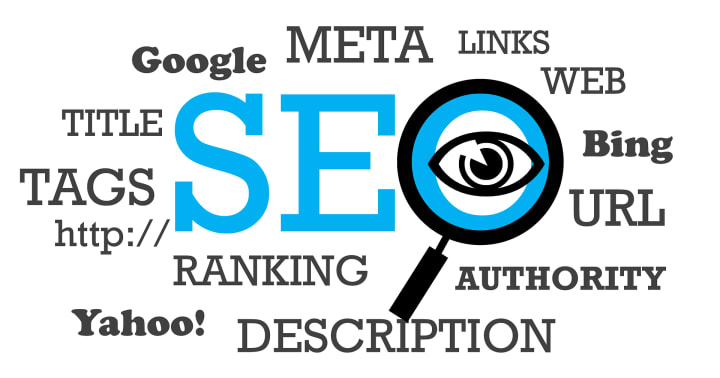
Off-page SEO refers to the strategies and tactics used to increase a website's domain authority and reputation, which in turn can help improve its search engine rankings. Some of the most effective off-page SEO strategies include:
Backlink Building: Backlinks are links from other websites that point to your website. Search engines view these links as a vote of confidence in your website's content, and the more high-quality backlinks you have, the higher your website will rank in search engine results pages.
Guest Blogging: Guest blogging is a great way to get high-quality backlinks to your website. By writing and publishing high-quality content on other websites, you can increase your website's visibility and attract more visitors.
Social Media Marketing: Social media platforms like Facebook, Twitter, and Instagram can be a powerful tool for building your website's reputation and domain authority. By creating and sharing high-quality content on social media, you can attract more visitors to your website and increase your website's visibility.
Online Communities & Forums: Participating in online communities and forums related to your niche can be a great way to build relationships with other industry experts and attract more visitors to your website.
Influencer Marketing: Influencer marketing is a form of marketing in which you leverage the influence of a well-known person in your industry to promote your brand or products. This can be an effective way to attract more visitors to your website and increase your website's visibility.
Brand Mentions: Brand mentions are when your brand is mentioned on other websites or in the press. These mentions can help increase your website's visibility and attract more visitors.
Public Relations: Public relations (PR) can be a powerful tool for increasing your website's visibility and reputation. By working with journalists and other media outlets to get coverage for your brand or products, you can attract more visitors to your website and increase your website's visibility.
By implementing these off-page SEO strategies, you can increase your website's domain authority and reputation, which in turn can help improve its search engine rankings. Keep in mind that off-page SEO is an ongoing process and it requires a consistent effort to get the desired results.
Analyzing & Monitoring Your SEO Efforts for Maximum Results
Analyzing and monitoring your SEO efforts is crucial for understanding how your website is performing and for making data-driven decisions to improve its search engine rankings. Some of the key elements of SEO analysis and monitoring include:
Keyword Tracking: By tracking the performance of specific keywords, you can understand which keywords are driving the most traffic to your website and which ones need more optimization.
Analytics Tools: Analytics tools like Google Analytics can provide you with valuable insights into how visitors are interacting with your website. This can help you identify areas for improvement, such as high bounce rates or low average time on page.
Search Engine Rank Tracking: Tools like Ahrefs, SEMrush, Moz, and SERPstat can be used to track your website's rankings for specific keywords in search engine results pages.
Backlink Analysis: By analyzing your website's backlinks, you can understand which websites are linking to your website and whether these links are helping or hurting your search engine rankings.
Mobile Optimization: With more and more people using mobile devices to browse the web, it's important to track your website's mobile performance and make sure it's optimized for different screen sizes and resolutions.
Content Analysis: By analyzing your website's content, you can understand which pages are performing well and which ones need more optimization. This can help you identify areas for improvement, such as high bounce rates or low average time on page.
Competitor Analysis: By analyzing your competitors' websites, you can understand what they are doing well and where they are falling short. This can help you identify areas where you can improve your own website's search engine rankings.
By analyzing and monitoring your SEO efforts, you can identify areas for improvement and make data-driven decisions to improve your website's search engine rankings. Keep in mind that SEO analysis and monitoring is an ongoing process and it requires a consistent effort to get the desired results.
Conclusion: Leverage the Power
SEO to Boost Your Website's Visibility and Drive More Traffic
In conclusion, search engine optimization (SEO) is a crucial element of any digital marketing strategy. By optimizing your website's content and performance, building high-quality backlinks, and monitoring your efforts, you can boost your website's visibility and drive more traffic to your site.
SEO is not a one-time effort, it's a continuous process that requires consistent attention and effort. By staying up-to-date with the latest trends and best practices in SEO, and by using the right tools and strategies, you can achieve long-term success in search engine rankings.
Don't underestimate the power of SEO. By making it a priority in your digital marketing strategy, you can improve your website's visibility and attract more visitors, which can ultimately lead to more business and revenue.
About the Creator
Keep reading
More stories from Badhmanaban T and writers in Education and other communities.
How to Overcome the Pakistan Economy Crisis: A Guide to Economic Recovery!
The Pakistan economy crisis is one of the biggest challenges facing the country today. The crisis has been caused by a combination of internal and external factors, leading to a severe economic downturn. This BLOG ARTICLE will provide an overview of the Pakistan economy crisis, its causes, and strategies for economic recovery. Additionally, it will discuss the government initiatives, public-private partnerships, international assistance, and investment opportunities available for economic recovery.
By Badhmanaban T3 years ago in Education
Menu Boards for Cafés: Design Ideas and Benefits
I'll never forget the first time I walked into a local coffee shop that had just upgraded from their hand-written chalkboard to a sleek digital menu display. The difference was striking—not just visually, but in how quickly I could scan the menu, see vibrant images of specialty drinks, and notice the seasonal promotions rotating in the corner. That experience opened my eyes to how much menu presentation actually matters in café environments.
By Jerry Kane 2 days ago in Education
Mastering the Mental Game: Pro Poker Strategies to Eliminate Tilt for Good
Avoiding tilt is one of the most crucial elements for long-term success in poker. Tilt, the emotional state that leads to poor decision-making, can unravel even the most skilled player’s efforts. Professional poker players understand that maintaining a calm, composed mindset is as important as knowing the odds or mastering bluffing techniques. Here’s how the best in the game stay mentally sharp and emotionally resilient.
By Micah Raskin Poker 5 days ago in Education
Writing About Writing: The Rainbow Trap
The good thing about living in modern times is that LGBTQ representation in media is increasing. Not just in niche and Independant media, either, but also in mainstream media. Books, movies, TV shows, comics... they're finally catching on that LGBTQ+ people form a significant part of their audience, and deserve to see themselves on screen and in fiction, not just as victims in documentaries and true crime shows.
By Natasja Roseabout 8 hours ago in Writers


Comments
There are no comments for this story
Be the first to respond and start the conversation.