
The Ultimate Guide to Building an Emergency Fund
A Path to Financial Security and Peace of Mind

Introduction:
In today's unpredictable world, having a solid financial foundation is more important than ever. An emergency fund is a crucial component of that foundation, providing a safety net when unexpected expenses or life's curveballs come our way. This ultimate guide aims to inspire and guide you on the journey of building an emergency fund, empowering you with real-life examples and actionable steps to achieve financial security and peace of mind.
1: Understanding the Importance of an Emergency Fund
To embark on this journey, it's crucial to grasp why an emergency fund is essential. Picture this: you're driving on a long, deserted road when suddenly, your car breaks down. Without a financial safety net, this situation can quickly turn into a nightmare. An emergency fund acts as a cushion, protecting you from such unforeseen circumstances and allowing you to face challenges head-on without resorting to debt or financial stress.
2: Determining Your Emergency Fund Goal
Setting a clear goal is the first step towards building an emergency fund. While there is no one-size-fits-all answer, a general rule of thumb suggests saving three to six months' worth of living expenses. However, it's essential to consider your individual circumstances, such as job stability, family responsibilities, and any outstanding debts, to determine the ideal target amount. Example: Meet Sarah, a single mother, realized the importance of an emergency fund when she lost her job unexpectedly. Her emergency fund allowed her to cover her living expenses and provided her with the time she needed to find a new job without compromising her family's well-being. Sarah's story illustrates the power of having a safety net during uncertain times.
3: Budget and Creating rimming Expenses
To build an emergency fund, it's necessary to analyze your current financial situation and identify areas where you can cut back. Start by creating a budget that aligns with your goals, separating essential expenses from discretionary ones. Look for opportunities to reduce costs, such as cutting unnecessary subscriptions, eating out less frequently, or finding more cost-effective alternatives. Example: Meet Mark and Lisa . Mark and Lisa wanted to save for their emergency fund, but their daily habits were impeding their progress. By analyzing their expenses, they discovered they were spending a significant portion of their income on dining out. Determined to make a change, they started meal planning, cooking at home, and inviting friends over for potluck dinners. Not only did they save money, but they also built stronger relationships in the process.
4: Automating Savings and Paying Off Debt
Automating your savings can be a game-changer when building an emergency fund. Set up an automatic transfer from your checking account to a separate savings account each month. This ensures consistent contributions without relying on willpower alone. Additionally, tackling high-interest debt should be a priority, as it frees up more money to allocate towards your emergency fund. Example: Meet David . David was burdened by credit card debt, making it challenging for him to save. However, he decided to take control of his financial situation. By creating a budget, reducing unnecessary expenses, and using a debt repayment strategy, David managed to pay off his credit card debt within a year. The money previously allocated to debt repayment now went directly into his emergency fund.
5: Maximizing Income and Seeking Additional Sources
Building an emergency fund can be accelerated by increasing your income. Consider negotiating a raise, exploring new job opportunities, or leveraging your skills for freelance work. Moreover, look for additional income sources, such as renting out a spare room or monetizing a hobby. Every extra dollar earned contributes to your financial security. Example: Meet Emily . Emily wanted to boost her emergency fund but was already working a full-time job. She decided to turn her passion for writing into a freelance side gig. By dedicating a few hours each week to freelance projects, Emily managed to generate a steady additional income, which significantly accelerated her emergency fund growth.
Conclusion:
Building an emergency fund is not an overnight task but rather a journey that requires commitment and discipline. By understanding the importance of having a financial safety net, setting clear goals, trimming expenses, automating savings, reducing debt, maximizing income, and drawing inspiration from real-life examples, you are on your way to achieving financial security and attaining peace of mind. Remember, every step you take brings you closer to a more secure and worry-free future. Start today and let your emergency fund become the cornerstone of your financial well-being.
About the Creator
Major Nuel
Get the essential knowledge to financial freedom and unlock your wealth potential with my Personal Finance and Investment topics. This profile equips you with the knowledge to make financial decisions. Hope you find it useful.
Keep reading
More stories from Major Nuel and writers in Education and other communities.
Personal Finance and Investing
Introduction: As millennials enter the workforce and navigate their way through adulthood, understanding personal finance becomes crucial for building a secure future. It's never too early to start implementing smart financial habits that will pave the way for financial freedom. In this article, we will explore ten essential personal finance tips tailored specifically for millennials, with real-life examples to inspire and engage you on your journey to financial success.
By Major Nuel3 years ago in Education
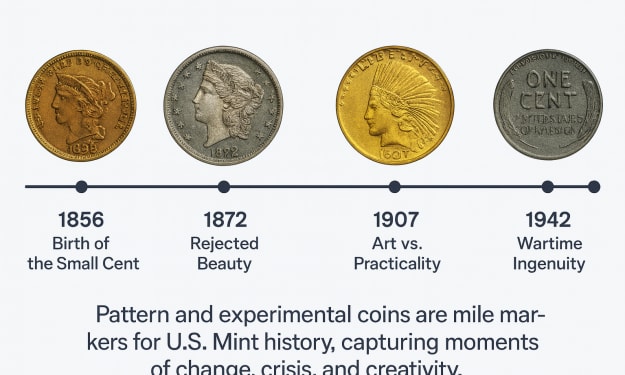
Rarely Seen: Experimental & Pattern U.S. Coins That Spark the Hobby
So, What Exactly Are These Coins? Let’s clear up the biggest confusion first. "Pattern" and "experimental" are related, but they’re not the same thing. Knowing the difference is your first step from curious collector to informed enthusiast.
By Laura Bennett5 days ago in Education
Best Hunting Destinations in America Every Hunter Should Visit
Hunting has deep roots in American culture. It connects people to the land and to a long outdoor tradition. From vast plains to deep forests, the country offers many places where hunters can test their skills and enjoy nature. This guide explores America’s Best Hunting Destinations clearly and straightforwardly. Each place provides rich wildlife, strong traditions, and unforgettable landscapes. If you love the outdoors, these destinations deserve a spot on your travel list.
By Joe Sottolano7 days ago in Education



Comments
There are no comments for this story
Be the first to respond and start the conversation.