
The True Story Of The 1899 Newsboy Strike, In Which Newsboys Defeated Publishing Tycoons.
In a battle for proper wages, the newsboy strike of 1899 united underprivileged newsboys as young as seven against rich newspaper moguls William Randolph Hearst and Joseph Pulitzer.

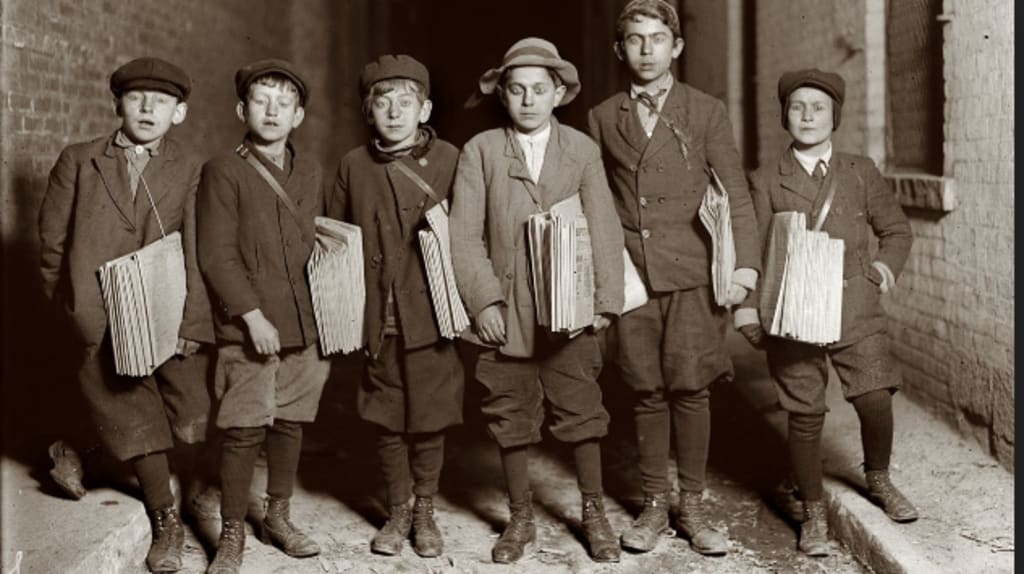
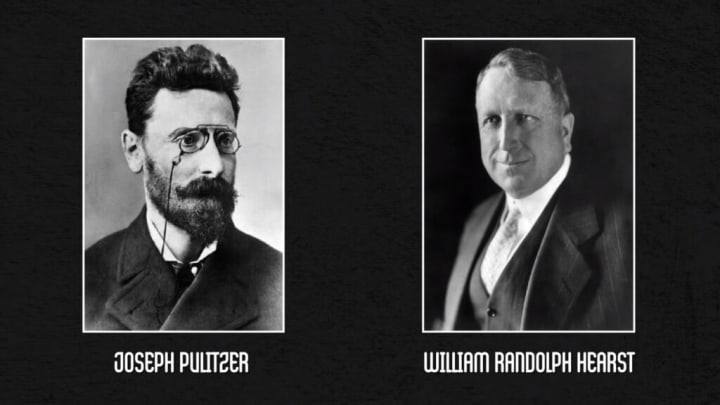
A violent strike crippled newspaper circulation in New York City just before the turn of the century. However, the strikers were not professionals, and most of them were not adults. The 1899 newsboy strike was led by boys, or "newsies," who faced up against William Randolph Hearst, founder of The New York Journal, and Joseph Pulitzer, owner of New York World magazine.
The youngsters, some as young as seven, refused to sell their publishers' papers because they were outraged by the prices Hearst and Pulitzer demanded for a newspaper bundle.
Midway through July, the newsboy strike of 1899 started, and by the end of August, Hearst and Pulitzer were at their lowest point. The moguls agreed to enter into negotiations after initially dismissing the strike as unimportant.
The Reason For The Strike
Newsboys had long been a part of the fabric of thriving metropolises such as New York City. They hawked the day's newspaper for a penny, darting between carts and waiting out on corners. The number of newsboys had grown by the time of the 1899 newsboy strike, thanks to the recent introduction of evening editions, which people grabbed on their way home.
For a long time, newsboys worked peacefully with newspaper publishers such as William Randolph Hearst, publisher of The New York Evening Journal, and Joseph Pulitzer, publisher of The Evening World.
They had a plan. The newsboy would pay 50 cents to the publisher for a stack of 100 newspapers, then sell them for one penny.
And, while there had been brief newsies strikes in the past, they were insignificant to what was about to unfold.
When the Spanish-American War broke out in 1898, everything changed. Then, instead of 50 cents, publishers began charging newsies 60 cents for their bundles. Although they didn't realize it at the time, this would serve as the foundation for the 1899 newsboy strike.
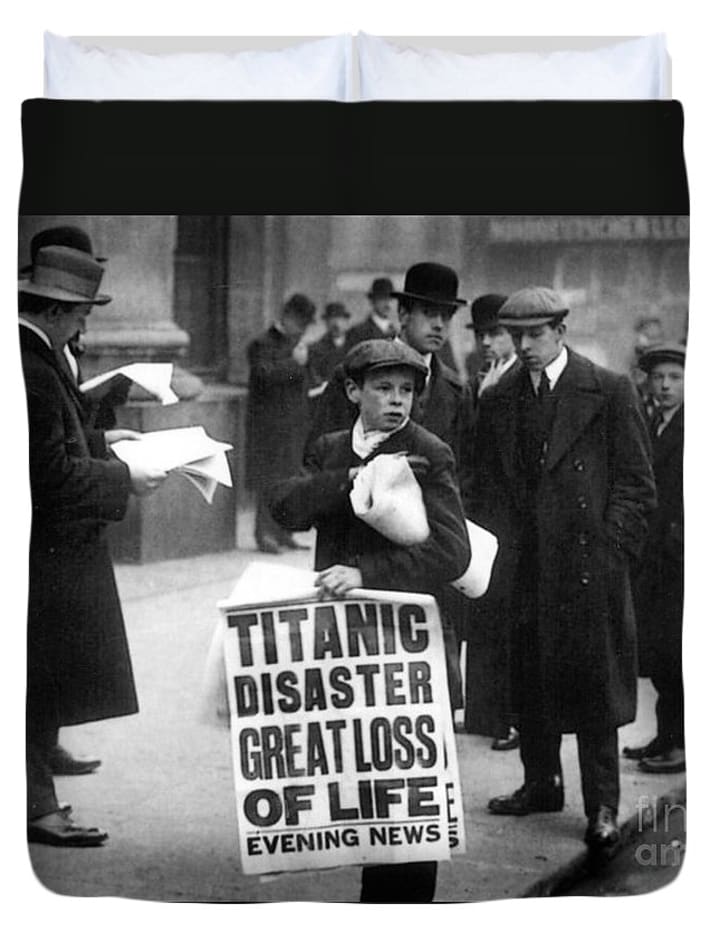
At first, the newsies didn't mind. The general public had a voracious demand for war stories. And the papers, with their catchy, exciting headlines, sold like crazy.
When the war ended, the majority of publishers reduced their prices back to 50 cents. However, Hearst and Pulitzer continued to charge newsboys 60 cents for 100 copies.
The newsboys soon became aware of the difference. On July 18, newsboys in Long Island City discovered that a Journal delivery man had been selling them bundles containing fewer than 100 papers.
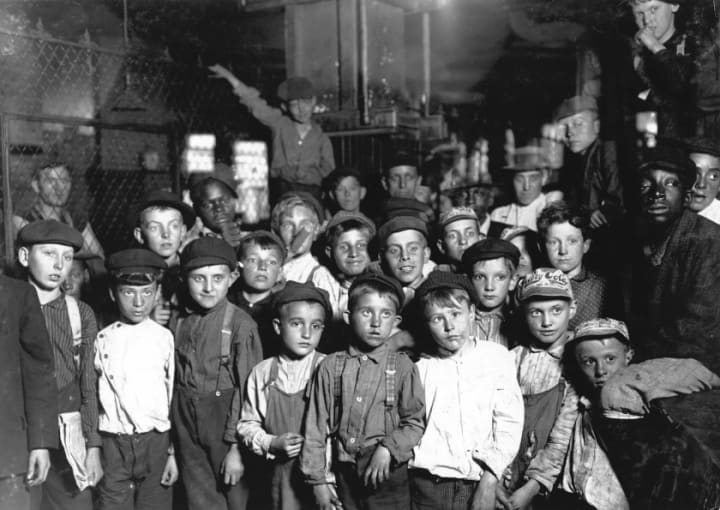
The enraged newsboys toppled his wagon over and seized his papers. Energized and inspired, the newsboys resolved to address a much larger injustice: the cost of their bundles.
This led to the start of the 1899 newsboy strike.
The owners of the newspapers first ignored the requests of the newsboys.
But the newsboys had no intention of giving up. On July 22, 100 newsboys arrived at "Newspaper Row," where the newspapers were handed out, and brandished clubs at The New York World and The New York Journal.
The young strikers were initially able to be dispersed by the police. However, the 1899 newsboy strike persisted, and more newsies gathered around Columbus Circle than before. They yelled, hurled fruit, and snatched newspapers from the wagons by 500 of them.
The newsboys made their voices heard during the next two weeks. They marched across the Brooklyn Bridge and into Manhattan's streets. Newsies ripped up copies of the Journal and World and threw water at newsstand proprietors who didn't support them.
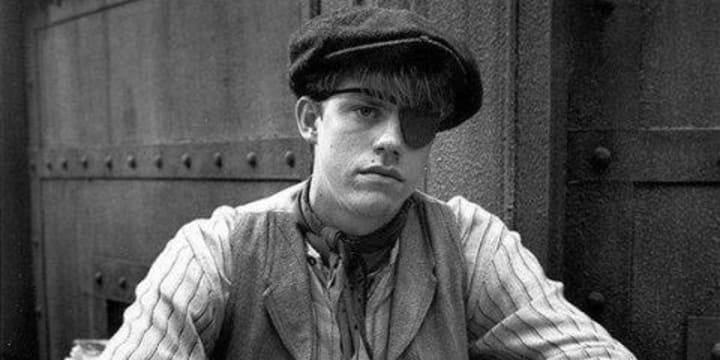
On July 25, as the World's circulation fell from 360,000 to 125,000, the newsies held a demonstration. Five thousand teenage newsies listened as their 18-year-old strike leader, Louis "Kid Blink" Baletti, took the stage.
Within two weeks, the newsboy strike of 1899 had done so much damage to the revenues of Hearst and Pulitzer's journals that the moguls decided to talk.
The Outcome Of The Strike
On August 2, 1899, the newsboys reached an agreement with Hearst and Pulitzer. They would continue to purchase bundles for 60 cents, but the World and the Journal would accept any unsold papers for a full refund. The boys were in agreement. They immediately returned to selling newspapers.
Despite the fact that the strike lasted barely two weeks, it had a far-reaching impact on American life and society.
About the Creator
Rare Stories
Our goal is to give you stories that will have you hooked.
This is an extension of the Quora space: Rare Stories
X(formerly Twitter): Scarce Stories
Writers:
....xoxo
Keep reading
More stories from Rare Stories and writers in Education and other communities.
The Stanford Prison Experiment
Ivan "Chip" Frederick, a staff sergeant in the American Army, was having some difficulties in October 2004. His court-martial saw horrific facts about prisoner abuse, sleep deprivation, and sexual humiliation being made public. He had been one of the accused in the infamous torture scandal that broke out in March of that year from Iraq's Abu Ghraib jail.
By Rare Stories3 years ago in Education
Mastering X-Bar Theory in Grammar in 10 Minutes
Grammar can often feel like a maze of confusing rules, especially when we dive into syntax — the study of sentence structure. One of the foundational tools in modern linguistics is X-Bar Theory, a framework that helps explain how words and phrases combine to form sentences. While it might sound intimidating, understanding X-Bar Theory can become straightforward if approached step by step.
By Games Mode Ona day ago in Education
Miss Persephone's Manual to a Seemingly Ordinary Life
Miss Persephone was found at the dining table, her blue eyes swollen, her tears arriving and retreating like the tides of the ocean. Earlier that day, her family had visited her in the retirement home where she had lived for eight years. It was her eightieth birthday.
By Imola Tóth5 days ago in Fiction


Comments (2)
A sound bath is a deeply immersive experience where participants are enveloped in a symphony of soothing sounds and vibrations. Led by skilled practitioners, these sessions typically feature instruments such as crystal singing bowls
What to Expect: During a <a href="https://radiantreikisoundbaths.com/">Sound Bath </a> session, participants typically lie down in a comfortable position, allowing the vibrations to wash over them. The experience is not just auditory; it's a full-body sensory journey that encourages mindfulness and a connection with the present moment.