
The Teenage Revolution
How Today's Youth Adopted and Transformed Fashion
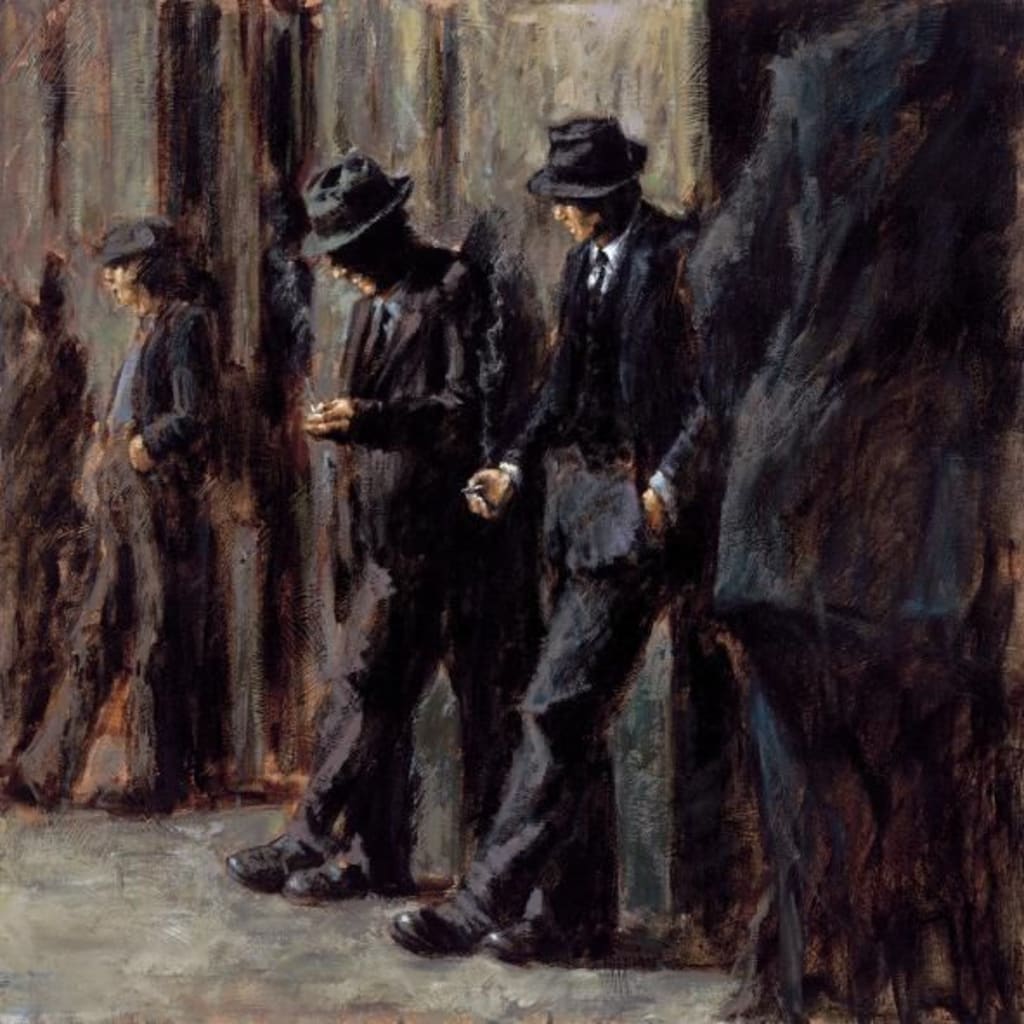
Introduction:
Fashion has always been a dynamic and ever-evolving industry, with trends and styles constantly shifting. However, one significant force that has played a pivotal role in shaping fashion in recent years is the power of teenagers. These young individuals, armed with their unique perspectives and a strong sense of self-expression, have embraced fashion as a means of asserting their identity and influencing mainstream culture. In this article, we will explore how teenagers have adopted and changed the fashion landscape, driving trends, challenging norms, and redefining what it means to be fashionable.
Embracing Individuality:
Teenagers have broken away from the confines of conformity and embraced their individuality through fashion. Unlike previous generations, who often adhered to societal expectations and trends, today's teens are unafraid to experiment, mix and match, and create their own unique styles. Through platforms like social media and fashion blogs, they have found spaces to share their personal aesthetics and inspire others. This focus on individuality has given rise to diverse subcultures and niche fashion movements that celebrate authenticity and self-expression.
Street Style Influence:
The streets have become a veritable runway, and teenagers are at the forefront of street style fashion. Influenced by urban environments, music, and the vibrant energy of city life, teens have elevated casual streetwear into a legitimate fashion statement. Brands that were once associated with skaters, hip-hop, or street culture have now become mainstream, thanks to the fashion-forward choices of teenagers. Their fearless combination of high and low fashion, mixing designer pieces with vintage finds, has reshaped the industry and blurred the boundaries between luxury and streetwear.
Sustainable Fashion Consciousness:
Another significant way in which teenagers have transformed fashion is through their increased focus on sustainability and ethical practices. The younger generation is acutely aware of the environmental and social impact of fast fashion, and they are actively seeking alternatives. Thrift shopping, upcycling, and supporting eco-conscious brands have become hallmarks of their fashion choices. By embracing sustainable fashion, teenagers are not only making a statement about their values but also demanding accountability from the industry as a whole.
Body Positivity and Inclusivity:
Teenagers have been at the forefront of the body positivity and inclusivity movements, challenging traditional beauty standards and advocating for representation. With the rise of social media influencers who celebrate diverse body types, skin tones, and identities, teenagers have found a platform where they can see themselves reflected in the fashion world. This shift has prompted brands to become more inclusive in their marketing and product offerings, recognizing the power of this influential consumer base.
Gender-Fluid Fashion:
Gender norms are being shattered as teenagers embrace gender-fluid fashion. The rigid boundaries of "men's" and "women's" clothing are becoming increasingly blurred, with teens embracing a more fluid approach to dressing. Androgynous styles, unisex clothing lines, and gender-neutral fashion have gained popularity, challenging societal expectations and opening up new avenues for self-expression.
Conclusion:
Teenagers have emerged as the vanguards of change in the fashion industry. Their fearlessness, individuality, and commitment to social and environmental issues have reshaped the way we perceive and engage with fashion. From embracing individuality and street style to promoting sustainability, body positivity, inclusivity, and gender fluidity, today's youth have fundamentally transformed the fashion landscape. As we move forward, it is crucial to continue amplifying their voices, listening to their perspectives, and celebrating their contributions as they redefine what it means to be fashionable in an ever-evolving world.
Fashion, as a form of self-expression, has gone through a remarkable evolution throughout human history. From the earliest civilizations to the present day, fashion has served as a reflection of societal values, cultural influences, technological advancements, and individual creativity. This article explores the fascinating journey of fashion, tracing its evolution from ancient attire to the extravagant runways of the modern world.
Ancient Origins:
Fashion finds its roots in ancient civilizations, where clothing served both functional and symbolic purposes. In Egypt, sumptuous linen garments adorned the wealthy, while the Romans draped themselves in togas. Across ancient China, Greece, and India, unique styles of clothing reflected social status, religious beliefs, and regional traditions. Fashion during this period was influenced by natural materials, craftsmanship, and an emphasis on modesty and hierarchy.
Middle Ages and Renaissance:
The Middle Ages brought a shift in fashion with the rise of feudalism and the dominance of the Catholic Church. Clothing was heavily influenced by social hierarchy, and sumptuary laws dictated what each class could wear. However, the Renaissance period witnessed a revival of arts and culture, leading to the birth of a more individualistic and ornate fashion. Elaborate gowns, intricate embroidery, and tailored garments became a symbol of wealth and status.
Industrial Revolution and Victorian Era:
The advent of the Industrial Revolution in the 18th century marked a turning point in fashion. Mass production allowed for greater accessibility to clothing, and the rise of the middle class led to new trends and styles. The Victorian Era saw a resurgence of restrictive corsets, crinolines, and exaggerated silhouettes. Fashion became a means to display social standing and adhere to societal norms, reflecting the rigid moral values of the time.
20th Century: From Art Deco to Fashion Revolutions:
The 20th century witnessed dramatic shifts in fashion, propelled by rapid technological advancements and changing societal attitudes. The Art Deco movement of the 1920s brought about a revolution in women's fashion, with flapper dresses and shorter hemlines challenging traditional norms. The subsequent decades witnessed fashion reflecting political and cultural movements such as the roaring 1920s, the austerity of the World War II era, the boldness of the 1960s, and the disco glamour of the 1970s. The emergence of couture houses and iconic designers further shaped the fashion industry.
Post-Modern and Contemporary Fashion:
In the late 20th century, fashion became more fragmented and diverse, with influences from subcultures and street style. The post-modern era celebrated eclecticism, deconstruction, and irony. Designers like Vivienne Westwood and Jean-Paul Gaultier challenged traditional fashion conventions, pushing boundaries and questioning societal norms. As technology advanced, the internet played a pivotal role in democratizing fashion, allowing individuals to access and share style inspiration worldwide.
Today, fashion is a global industry that constantly evolves and reinvents itself. Sustainability and ethical considerations have gained prominence, prompting the industry to adopt eco-friendly practices and promote conscious consumption. The digital age has transformed fashion with online shopping, social media influencers, and virtual runways. Fashion has become more inclusive, celebrating diverse body types, gender identities, and cultural expressions.
Conclusion:
Fashion has come a long way, evolving from ancient attire with functional purposes to a powerful form of self-expression and cultural reflection. Each era has contributed to the rich tapestry of fashion, driven by societal changes, artistic movements, and technological advancements. As fashion continues to evolve, it will be intriguing to witness how it adapts to the ever-changing world, embraces sustainability, and embraces the diverse voices and experiences of individuals worldwide.
About the Creator
Reader insights
Outstanding
Excellent work. Looking forward to reading more!
Top insights
Masterful proofreading
Zero grammar & spelling mistakes
Easy to read and follow
Well-structured & engaging content
Excellent storytelling
Original narrative & well developed characters
Expert insights and opinions
Arguments were carefully researched and presented
Eye opening
Niche topic & fresh perspectives
Heartfelt and relatable
The story invoked strong personal emotions
On-point and relevant
Writing reflected the title & theme
Compelling and original writing
Creative use of language & vocab
Keep reading
More stories from writers in Education and other communities.
What Market Volatility Means for Your Investment Plan and Financial Future
Market volatility is a common but often misunderstood feature of investing. It refers to the unpredictable and sometimes dramatic changes in asset prices over short periods. These fluctuations are driven by factors such as economic data, corporate earnings, geopolitical events, and investor sentiment. For many, volatility can cause anxiety, but with the right knowledge and strategy, it becomes something to navigate, not fear.
By Winston Feng7 days ago in Education
Mum Says University “Failed” Son Who Took His Own Life After Grade Error
The day the email arrived was supposed to be a turning point. For months, the family had been waiting for it the final confirmation that years of late nights, student loans, and quiet sacrifice had been worth it. Instead, the message contained a mistake that would unravel a young man’s confidence and, according to his mother, expose a system that failed him when he needed it most.
By Omoogun oluwaseun mercy5 days ago in Education




Comments
There are no comments for this story
Be the first to respond and start the conversation.