
The Simple Path to Sustainable Living
Discover the benefits of sustainable living and how your choices can make a difference.

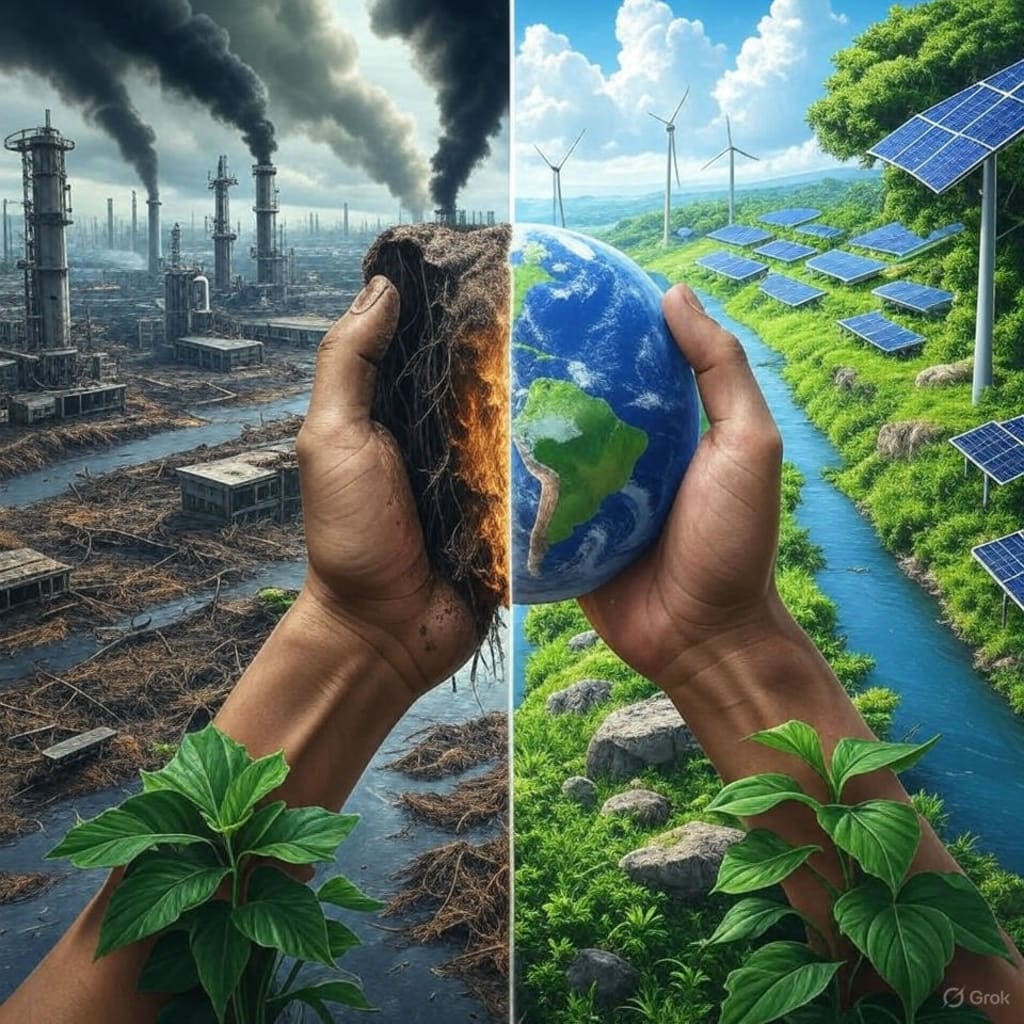
In an era where climate change, resource depletion, and environmental degradation dominate global conversations, sustainable living has emerged as a vital approach to fostering a healthier planet. Sustainable living refers to adopting lifestyles and practices that meet our needs without compromising the ability of future generations to meet theirs. It’s about making conscious choices to reduce our environmental footprint, conserve resources, and promote social and economic equity. This article explores the principles of sustainable living, practical steps individuals can take, and the broader impact of collective action.
Understanding Sustainable Living
At its core, sustainable living is about balance. It involves aligning our daily habits with the planet’s capacity to regenerate resources and absorb waste. The United Nations’ 1987 Brundtland Report defines sustainable development as “development that meets the needs of the present without compromising the future.” Sustainable living applies this principle to individual and community levels, emphasizing three key pillars: environmental stewardship, social responsibility, and economic viability.
Environmental stewardship focuses on reducing pollution, conserving natural resources, and protecting ecosystems. Social responsibility ensures fair treatment of people, promoting equitable access to resources and opportunities. Economic viability encourages practices that support long-term prosperity without exploiting people or the planet. By integrating these pillars, sustainable living creates a framework for thriving within ecological limits.
Why Sustainable Living Matters
The urgency of sustainable living is underscored by pressing global challenges. Climate change, driven by greenhouse gas emissions, is causing rising temperatures, extreme weather, and sea-level rise. The World Resources Institute reports that global resource extraction has tripled since 1970, straining ecosystems and depleting finite materials like freshwater and minerals. Meanwhile, social inequalities exacerbate the impacts of environmental degradation, with marginalized communities often bearing the brunt of pollution and resource scarcity.
Adopting sustainable practices can mitigate these issues. For instance, reducing energy consumption lowers carbon emissions, while supporting ethical businesses promotes fair labor practices. Sustainable living also fosters resilience, helping individuals and communities adapt to changing environmental conditions. Beyond environmental benefits, it can save money, improve health, and enhance quality of life through mindful consumption and community engagement.
Practical Steps for Sustainable Living
Sustainable living doesn’t require drastic changes overnight. Small, intentional actions can accumulate into significant impact. Below are practical steps across key areas of daily life:
1. Reduce Energy Consumption
Energy production, particularly from fossil fuels, is a major contributor to greenhouse gas emissions. Simple actions like switching to LED bulbs, unplugging devices when not in use, and using energy-efficient appliances can reduce household energy use. For example, the U.S. Department of Energy notes that LED bulbs use up to 80% less energy than incandescent bulbs. Investing in renewable energy, such as solar panels, or choosing a green energy provider further lowers your carbon footprint.
2. Conserve Water
Freshwater is a finite resource, with only 2.5% of Earth’s water being potable. Fixing leaks, installing low-flow showerheads, and collecting rainwater for gardening are effective ways to conserve water. Reducing meat consumption also helps, as livestock farming accounts for significant water use—producing one kilogram of beef requires approximately 15,000 liters of water, according to the Water Footprint Network.
3. Minimize Waste
The average person generates about 4.9 pounds of waste daily, much of which ends up in landfills. Adopting the “reduce, reuse, recycle” mantra can curb this. Composting organic waste, using reusable bags and containers, and buying second-hand goods reduce landfill contributions. For example, composting can divert up to 30% of household waste from landfills, per the Environmental Protection Agency.
4. Choose Sustainable Transportation
Transportation accounts for nearly 30% of global CO2 emissions. Walking, biking, or using public transit reduces emissions and promotes health. For those reliant on cars, opting for electric or hybrid vehicles or carpooling can make a difference. If possible, working from home or choosing local destinations minimizes travel-related emissions.
5. Support Ethical Consumption
Consumer choices shape markets. Buying from companies with transparent, eco-friendly practices—such as those using sustainable materials or fair-trade certifications—encourages responsible production. Prioritizing locally sourced food and goods reduces the carbon footprint associated with long-distance shipping. For instance, eating seasonal produce cuts down on energy-intensive greenhouse farming.
6. Cultivate a Sustainable Mindset
Sustainability extends beyond actions to mindset. Educating yourself about environmental issues, advocating for policy changes, and engaging in community initiatives amplify impact. Joining local environmental groups or supporting legislation for renewable energy can drive systemic change.
The Ripple Effect of Collective Action
While individual actions are crucial, collective efforts amplify impact. Communities adopting sustainable practices—like shared gardens, car-sharing programs, or zero-waste initiatives—create models for others to follow. Cities like Copenhagen, aiming to be carbon-neutral by 2025, demonstrate how urban planning and policy can prioritize sustainability. Businesses also play a role; companies adopting circular economy models, where products are reused or recycled, reduce waste and resource depletion.
Globally, sustainable living aligns with the United Nations’ Sustainable Development Goals (SDGs), which address poverty, inequality, and environmental protection. By 2030, achieving these goals could lift millions out of poverty while preserving ecosystems. Individual choices contribute to this global framework, as each sustainable action supports broader systemic change.
Challenges and Solutions
Transitioning to sustainable living isn’t without challenges. High upfront costs for eco-friendly products, limited access to sustainable options in some regions, and systemic reliance on fossil fuels can hinder progress. However, solutions exist. Governments can offer subsidies for renewable energy or green products, while communities can create sharing economies to make sustainable options more accessible. Education and awareness campaigns can also bridge knowledge gaps, empowering people to make informed choices.
The Rewards of Sustainable Living
The benefits of sustainable living extend beyond environmental impact. Financially, energy-efficient appliances and reduced consumption lower utility bills. Health-wise, eating plant-based meals and staying active through walking or biking improve well-being. Socially, sustainable communities foster connection and resilience. Most importantly, sustainable living offers hope—a way to actively contribute to a healthier planet and a more equitable world.
Conclusion
Sustainable living is not a one-size-fits-all solution but a journey of intentional choices. From conserving energy to supporting ethical businesses, each action counts. As individuals, we have the power to influence markets, inspire others, and contribute to global goals. By embracing sustainable living, we pave the way for a future where people and the planet thrive in harmony. Start small, stay informed, and act with purpose—the planet depends on it.
About the Creator
Keep reading
More stories from Zakaria Muhammad and writers in Education and other communities.
The Impact of Pollution on Cognitive Function and Mood
Pollution, a pervasive issue in modern society, extends far beyond its visible effects on the environment. While smog-filled skies and polluted rivers often dominate discussions, the less visible consequences of pollution—its effects on human health, particularly cognitive function and mood—are equally alarming. As urbanization and industrialization continue to rise, exposure to pollutants such as air particulates, heavy metals, and noise has become a daily reality for millions. Emerging research highlights how these environmental stressors impair cognitive abilities and influence emotional well-being, with significant implications for public health and societal functioning. This article explores the mechanisms through which pollution affects cognitive function and mood, supported by scientific evidence, and discusses potential strategies to mitigate these impacts.
By Zakaria Muhammad 8 months ago in Education
Creating a Higher Education Legacy in Monterey
Not Known for Colleges Picturesque Monterey, California is not known as a college town. Instead, its recent fame was that of being the old stomping grounds for John Steinbeck and the current location of a world-class marine aquarium.
By Dean Traylor2 days ago in Education




Comments
There are no comments for this story
Be the first to respond and start the conversation.