
The Silent Killer: Understanding Skin Cancer And How To Prevent It
What Is Skin Cancer
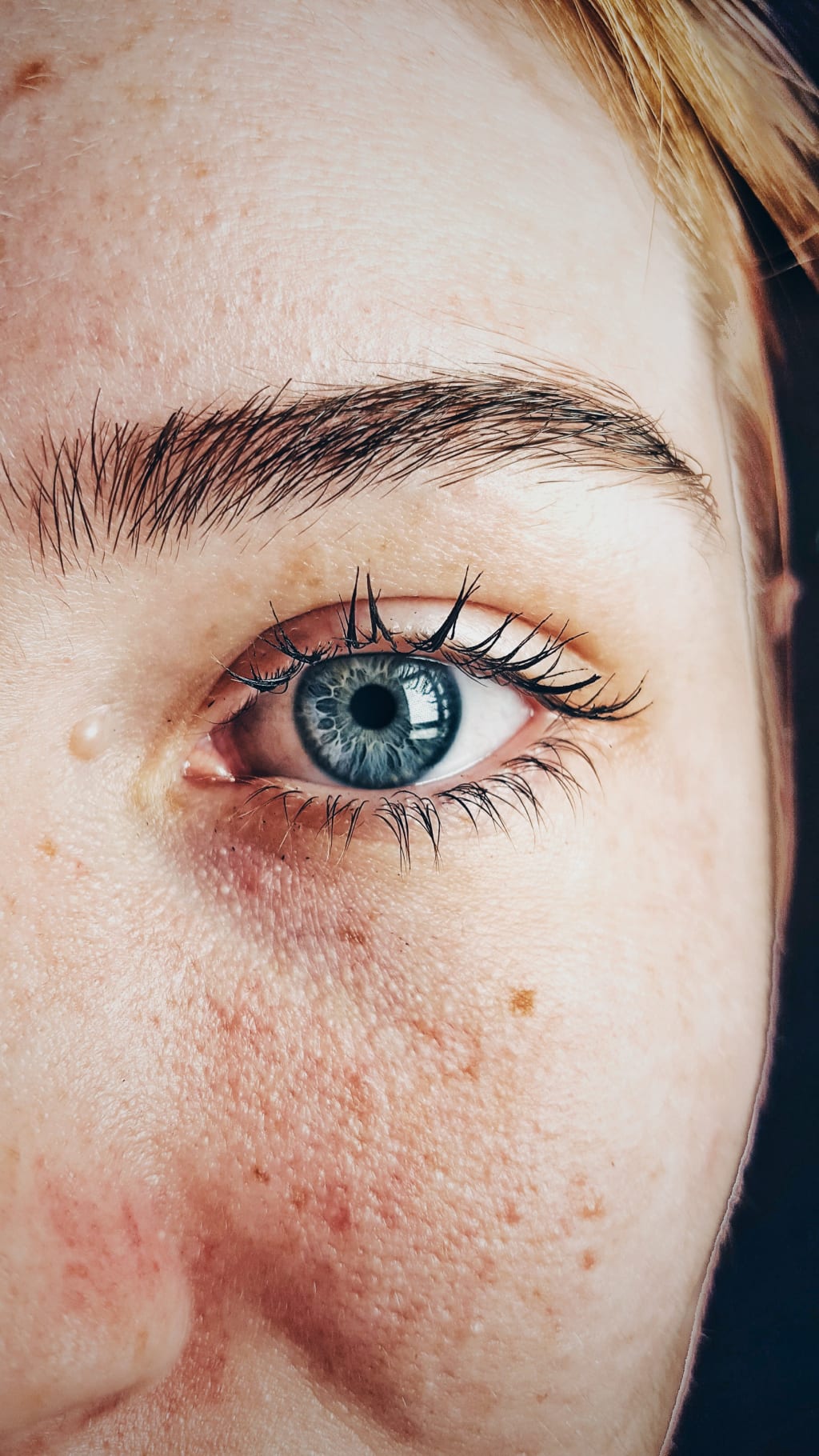
Skin cancer is the most common type of cancer, it occurs when there is an abnormal growth of cells found in the epidermis (the outermost layer of the skin) caused by a damaged DNA that triggers mutations. These mutations result in the multiplication of skin cells faster than usual induced by excess exposure to sunlight and tanning beds.
Although, skin cancer is the most common type of cancer and can be cured easily if diagnosed and treated on time before spreading to other parts of the body as it could lead to a more serious health complications. The best way to understand skin cancer is to know it different types, how they affect the body and where they begin from, there are various types of skin cancer and they are divided into two categories:
NON MELANOMA
This category is made up of :
BASAL CELL CANCER
It is the most common and aggressive type of skin cancer that arises from the basal cell- a cell in the lower part of the epidermis that produces new cells when old ones die. Basal cell cancer occurs when there is an abnormal growth of basal cell and they appear on areas of the skin commonly exposed to sunlight like the face, neck or arms as a shiny, skin-colored bumps or lesions that sometimes look like a mole.
Basal cell cancer tends to grow slowly and can be easily cured when detected and treated early before it spreads causing damage to the overall health.
TYPES OF BASAL CELL
There are four types of basal cells and they include:
* Nodular Basal Cell Cancer: it is the most common type of basal cell cancer and has a less aggressive growth method. They appear as a shiny, round bump on areas usually exposed to sunlight like the face, nose, or neck.
* Superficial Basal Cell Cancer: They appear mostly on the shoulder or the trunk as a reddish plaque with we’ll defined borders. They are relatively large and sometimes mistaken for dermatitis.
* Sclerosing Basal Cell Cancer: It is a rare, destructive, and complex type of basal cell cancer that appear in areas around the nose, ear, and mouth. They are not easily detected making them difficult to treat.
* Pigmented Basal Cell Cancer: This subtype of skin cancer is caused by an increase in the production of melanin by melanocytes resulting from excessive exposure to sunlight or tanning bed. They appear in areas like the face, neck or arms commonly exposed to sunlight and are quite similar to melanoma.
SQUAMOUS CELL CANCER
This is the second common type of skin cancer. It develops in the squamous cell ( a thin cell that makes up the middle and outermost layer of the skin) and can also be found in other areas of the body like the lungs, digestive tract, unitary tract or mucosal membrane but are known as cutaneous squamous cell cancer when they form on the skin.
Excess exposure to sunlight can cause changes in the DNA of squamous cell causing them to multiply uncontrollably and develop to skin cancer. It is not life threatening if treatment is given on time but if not, it can be dangerous. When treatment isn’t received on time, the growth can increase in size and spread to other part of the body leading to serious complications. They appear on areas of the skin that is often exposed to sunlight like the face, neck or arm like an open sore or warty growth on the skin.
Types Of Squamous Cell
Adenoid/ pseudo glandular squamous cell
MERKEL CELL CANCER
Merkel skin cancer, also called Neuroendrocrine carcinoma, is a rare and aggressive type of skin cancer that forms when Merkel cell ( a specialized cell close to the nerve ending that assist the skin in sentencing light touch) grows out of control. They are found in the deepest part of the outermost layer of the skin and appears as a painless, flesh, colored lump growing on the skin, they are caused by overexposure to the ultraviolet rays from the sun or a weak immune system.
Merkel cell cancer appears on areas like the face, neck, arms or legs that are mostly exposed to the sun. It grows and spread very fast unlike the other types of skin cancer, if not treated with immediate effect, it can spread to other part of the body causing serious health complications.
MELANOMA
This the most serious type of skin cancer that grows quickly and have the ability to spread to any part of the body. Melanoma arises from a skin cell called melanocytes, a cell that produces melanin. When the skin is constantly exposure to sunlight or a tanning bed, this skin cell begins to develop abnormally resulting to melanoma. Sometimes, they can appear on the skin without showing any sign, they can develop from or near an existing mole.
Melanoma can develop anywhere on the skin, they appear on the trunk ( chest and back) in men and on the leg in women, they are also commonly seen on the face and neck. They consist of an uneven color, ragged or notched edges, a pigment that spreads to the surrounding skin and change in size usually an increase. They grow fast and become life threatening, if not detected and treated on time.
It is very important to see a dermatologist when there are changes in an existing mole or the appearance of a new mole as it could be a sign of melanoma. Melanoma is made up of different categories and they are:
* Cutaneous Melanoma: These type affects the skin
* Mucosal Melanoma: These type of melanoma affects the mucous membranes such as the month, throats, and other.
* Ocular Melanoma: These type affects the eye.
Our main focus is on the cutaneous type of melanoma, it is the most common category among the other categories and it consist of four types:
* Nodular Melanoma: This is the most common, dangerous and aggressive form of melanoma that looks different from the others. They appear on areas mostly expose to the sun like the face, neck, leg or arm as a dark bump or a colorless skin tone lesion that develops from an existing mole.
* Lentigo Meligna Melanoma: This type of melanoma grows on the surface of the skin for a while before being invasive. It appears as a brown, slightly raised discoloration and they are common among old people who have being exposed to excess sunlight at their young age.
* Acral Lentiginous Melanoma: This type of melanoma is very rare and begins in the outer layer of the skin (epidermis). They appear on the feet or palm as a colored patch.
* Superfical Spreading Melanoma
Other Types Of Skin Cancer
* Cutaneous T-cell Lymphoma: This is a rare type of blood cancer that begin in a white blood cell called the T-lymphoma cell. They grow slowly and they are not life threatening.
* Sebaceous carcinoma: It is a cancer that begins in an oil gland found in the skin that affects the eyelids, it may cause a slow growing lump to form or a thickened skin. It is an aggressive form of cancer that appears as a painless, yellow or firm lump that can spread to the other part of the body.
* Dermatofibrosarocoma : It is a rare type of skin cancer that begins in the middle layer of the skin ( dermis). This type of skin cancer can spread and it rate of survival is relatively high.
SYMPTOMS OF SKIN CANCER
There are different types of skin cancer and their symptoms aren’t identical. Any changes to the skin can be a warning sign, it is very important to see a dermatologist when you notice these changes as it could help you get a diagnosis earlier and prevent serious health complications. Watch out for the ABCDE’s signs of skin cancer.
* A – Asymmetry: One half of the lesion is not identical to the other half.
* B – Border: A lesion with uneven edges.
* C – Color: A spot with an usual color like pink, black, white, red, blue or have more than one color.
* D – Diameter: The size is larger than ¼ or about the size of a pencil eraser.
* E – Evolving: There are changes that occur in an existing mole either in size, shape, color or symptoms.
* S – Skin lesion: it is very important to watch out for a new mole, an usual growth, sudden bump, sore, dark spots, scaly patch or other skin disorder that grows on the skin and doesn’t seem to go away.
STAGES OF SKIN CANCER
Skin cancer staging is defined by the characteristics of the cancer, how much is in the body and how far the cancer has spread from where it begins. Cancer is a disease that starts small and spread to other areas of the skin if not treated on time. Staging serves as a guideline to know what to expect when dealing with skin cancer, doctors use staging information to understand:
* The location of the cancer in the body.
* The severity of the cancer.
* Treatment needed
* What the outlook or prognosis is.
Doctors also uses a tool known as TNM CLASSIFICATION system to stage the different types of cancer. It includes;
* T – Size of the TUMOR and how deep it has grown into the skin.
* N – Lymph NODE involvement.
* M – METASTASIC, has the cancer spread or not
Basal And Squamous Cell Skin Cancer Stages
Staging usually isn’t needed for basal cell skin cancer because these cancers are often treated before they spread to other areas. Squamous cell skin cancers have a higher probability of spreading, although the risk is still fairly low. These types of skin cancers have certain features can make the cancerous cells more likely to spread or return if it’s removed. These high risk features include:
* A carcinoma (cancerous cells) thicker than 2 mm (millimeters)
* Invasion into the nerves in the skin
* Invasion into the lower layers of the skin
* Location on the lip or ear
Squamous cell and basal cell skin cancers are staged as follows:
* Stage 0: The cancerous cells are only present in the upper layer of the skin (epidermis) and haven’t spread deeper into the skin.
* Stage 1: The tumor is 2 cm (centimeters) or less, hasn’t spread to nearby lymph nodes, and has one or fewer high risk features.
* Stage 2: The tumor is 2 to 4 cm, hasn’t spread to nearby lymph nodes, or the tumor is any size and has two or more high risk features.
* Stage 3: The tumor is more than 4 cm, or it has spread to one of the following:
- subcutaneous tissue, which is the deepest, innermost layer of skin that includes blood vessels, nerve endings, and hair follicles
- bone, where it has caused minor damage
- a nearby lymph node
* Stage 4: The tumor can be any size and has spread to:
- one or more lymph nodes, which are larger than 3 cm
- bone or bone marrow
- other organs in the body
Melanoma stages
Although melanoma is less common than basal cell or squamous cell skin cancers, it’s more aggressive. This means that it’s more likely to spread to nearby tissues, lymph nodes, and other parts of the body, compared with nonmelanoma skin cancers.
Melanoma is staged as follows:
* Stage 0: The cancerous cells are only present in the outermost layer of skin and haven’t invaded nearby tissue. At this noninvasive stage, the cancer can be removed by surgery alone.
* Stage 1A: The tumor isn’t more than 1 mm thick. It may or may not be ulcerated (a break in the skin that allows the tissue below to show through).
* Stage 1B: Tumor thickness is 1 to 2 mm, and there’s no ulceration.
* Stage 2A: Tumor is 1 to 2 mm thick and ulcerated, or it’s 2 to 4 mm and not ulcerated.
* Stage 2B: Tumor is 2 to 4 mm thick and ulcerated, or it’s more than 4 mm and not ulcerated.
* Stage 2C: Tumor is more than 4 mm thick and ulcerated.
* Stage 3A: Tumor thickness isn’t more than 1 mm and there’s ulceration, or it’s 1 to 2 mm and not ulcerated. Cancer is found in 1 to 3 sentinel lymph nodes.
* Stage 3B: The tumor is up to 2 mm thick with ulceration, or 2 to 4mm without ulceration, plus cancer is present in one of these:
- one to three lymph nodes
- in small groups of tumor cells, called microsatellite tumors, right next to the primary tumor
- in small groups of tumor cells within 2 cm of the primary tumor, called satellite tumors
- in cells that have spread to nearby lymph vessels, known as in-transit metastases
* Stage 3C: The tumor is up to 4 mm thick with ulceration, or 4 mm or larger without ulceration, plus cancer is present in one of these:
- two to three lymph nodes
- one or more nodes, plus there are microsatellite tumors, satellite tumors, or in-transit metastases
- four or more nodes or any number of fused nodes
* Stage 3D: Tumor thickness is over 4 mm and it’s ulcerated. Cancer cells are found in either of these locations:
- four or more lymph nodes or any number of fused nodes
- two or more nodes or any number of fused nodes, plus there are microsatellite tumors, satellite tumors, or in-transit metastases
* Stage 4: Cancer has spread to distant parts of the body. This may include lymph nodes or organs such as the liver, lungs, bone, brain, or digestive tract.
(Source: Healthlline.com)
CAUSES OF SKIN CANER
EXPOSURE TO SUNLIGHT: Excess sunlight exposure can result to wrinkles, sunspots, acne or a more serious skin complication alike skin cancer. Over time, the ultraviolet rays from the sun can cause damage to the skin’s fiber (elastin), when these fiber breaks down, the skin begins to sag, stretch and lose it ability to go back in place. The skin then takes a longer time to heal from bruises or tear.
GENETICS: Skin cancer can sometimes be hereditary, the risk of developing the disease can be passed from parents to children. It is estimated that about 7% of melanoma cases are caused by their family genes.
MOLES: Having numerous moles may increase the risk of developing skin cancer. The appearance of a new mole or changes in an existing mole could be a sign of skin cancer.
CANCEROUS MOLES
A cancerous mole is the first and most common sign of melanoma skin cancer. A mole becomes cancerous where there are changes in the color, shape, or size of an existing mole or the appearance of a new one. Although, not all changing moles or new moles are cancerous, some are harmless but it is very important to keep track of every changes you notice on your old moles or the arrival of new ones.
Excess exposure to the ultraviolet light either UVA or UVB from the sun or a tanning bed can cause damage to the DNA of some skin cells resulting to mutation, these mutations can cause an abnormal and out of control skin cell growth leading to cancerous moles. Although, they can also be inherited from parents to children and passed to other generations. Moles are clusters of melanocytes, that is why a sudden division of damaged melanocytes can result in the development of cancerous moles.
Cancerous moles can be difficult to identify especially in the early stage of melanoma. For this reason, it is very important to check up on your skin regularly and see a dermatologist when you notice any of these signs:
* Changes in the color, size or shape of an existing mole
* Appearance of a new mole
* A mole that itch and begin to bleed
* A mole that does not heal and becomes painful
* A mole with a shiny, waxy, smooth or pale appearance
If you notice any of these signs on your skin, it is very important see a dermatologist for proper diagnosis and treatment before it gets to a higher stage of melanoma.
PREVENTION OF SKIN CANCER
Yes, skin cancer can be prevented by me and you through
* Avoid the sun as much as you can because most skin cancer is as a result of too much sunlight either UVA or UVB.
* Apply sunscreen before going out and reapply after sweating, swimming or doing things that would make them fade off.
* Wear clothing that would protect you from the sun.
* Avoid indoor tanning beds because they operate with ultraviolet light.
* Maintain a healthy diet filled with vitamins, omega 3 fatty acid, zinc, selenium and others to nourish your skin and keep them healthy.
* Get a regular checkup with your dermatologist especially those with a family history of cancer.
* Watch out for the ABCDE’s signs of cancer.
* And never forget to stay hydrated, drinking lots of water helps your skin maintain it natural glow and stay healthy.
TREATMENT OF SKIN CANCER
Skin cancer is made up of different types and some can be treated in same way depending on how much it has spread. Nearly all cancer can be cured if found and treated on time. A dermatologist can use these treatment like;
Surgical Excision
Cryotherapy
Mob Surgery
Chemotherapy
Immunotherapy
Radiotherapy to treat skin cancer
Surgical Excision: Also known as shave excision, it is a treatment used to remove lesion, moles, tumors from the skin along with some surrounding healthy skin to ensure that the cancer is completely removed. Surgical excision can be used to treat basal and squamous cell cancer as well as melanoma and this procedure takes up to 30-90 minutes.
Cryptography: It is the process of treating skin cancer by using liquid nitrogen to freeze the skin, liquid nitrogen is applied to the lesion on the skin using a cotton applicator after the skin has been numbed with a local anesthetic.
Moh Surgery: Also known as micrographic surgery, it is used to treat skin cancer by cutting away thin layer of the skin and each layer is properly examined under a microscope while it is being removed until all cancer is gone. The goal of this treatment is to remove as much skin cancer as possible while saving the healthy tissues around it. It is considered the most expensive technique used in treating skin cancer and gives the lowest recurrence rate.
Chemotherapy: This type of treatment uses drugs yo treat skin cancer, these drugs are usually injected into the vein or taken as a pill, they travel through the bloodstream to other parts of the body and attack cancer cell that have spread beyond the skin. It is often recommended during stage 3 skin cancer and can take 3-6 months for completion, it may take more or less time depending on the stage of skin cancer you are treating and the type of chemotherapy used.
IMMUNOTHERAPY: It is a form of bio-therapy that helps activate the natural defense ability of the immune system to fight against infection or diseases such as cancer. It can also use substance like an immune system component made in the laboratory to help improve the ability of your immune system in fighting cancer cells. This method can be used to treat any type of cancer including melanoma. Although, it can be more effective on some types more than the other.
RADIOTHERAPY: it is a treatment that uses radiation (beams of intense energy) to kill cancer and shrink tumors by damage the DNA of the cancer cell. There are two types of radiotherapy used by dermatologists to treat cancer;
* External Radiotherapy: Also known as Tele-therapy. Here, the beam of light comes from the outside and penetrate into the body to reach cancer cells.
* Internal Radiotherapy: It is also known as Brachytherapy, it is a type of radiotherapy where the team of light energy is placed inside the body next to the tumor where treatment is required.
Conclusion
Skin cancer may be referred to be a "silent killer" since it can manifest and proceed undetected until it reaches a more advanced state. The odds of successfully treating skin cancer can be increased by being aware of the risk factors, being diligent with routine self-examinations, and acting quickly to seek medical help. As is always the case, preventing skin cancer by shielding it from damaging UV rays by donning protective clothes, applying sunscreen, and limiting your exposure to the sun can significantly lower your chance of getting the disease. We can strive toward a future when skin cancer is no longer a silent killer but a preventable and curable illness by adopting some preventative actions.
About the Creator
From Job to Prison: Revenge, Sacrifice, and Ending
The story begins by showing a bald and strong man named Bradley, who is a car mechanic by profession. As usual, Bradley reaches the garage with a broken car, but after arriving there, he sees that the garage owner is anxiously waiting only for him, which makes him a little surprised. Then the garage owner calls him into his office. Hearing this, Bradley understands that he is about to be fired from his job, and exactly that happens. The owner tells him that these days the garage is going through a financial crisis, and that is why he is being forced to fire some workers. But this is only an excuse, because Bradley is a hard-tempered man, and the owner wants to remove him and hire someone who flatters him. Now since Bradley is a tough man, he does not argue with the owner. He goes to the locker room, takes out his belongings, takes his car, and silently leaves for home. And yes, friends, this is where the downfall of Bradley’s life begins, which continues straight until the end of the story and ends there. Anyway, Bradley stops his car in front of his house, and at the same time he sees that his wife Lauren is sitting in her car, talking to someone on the phone. Bradley becomes suspicious of her. To know the truth, he keeps watching her carefully for some time. When he becomes sure, he immediately goes to Lauren and tells her to open the car door. His wife says, “You came back from work very early today.” At the same moment, Bradley notices marks of someone else’s lips on her neck and says to Lauren, “Give me your phone.” But Lauren refuses to give the phone, because of which Bradley forcefully snatches the phone from her, and his suspicion turns out to be correct. She is talking on the phone with another man. In anger, Bradley tells Lauren to go inside the house. Lauren says, “At least listen to me.” Bradley says, “I said go inside the house.” Then Lauren silently goes inside the house. Now, he had already been fired from his job a little while ago, and now his wife’s affair, because of which he had become even more disturbed, so he starts taking out all his anger on Lauren’s car. How? You can see that yourself. Yes, he is so angry that he does not even realize that his hands have been badly injured. After that, he calms himself down and goes inside the house and questions Lauren about how many days she has been with the other man. Lauren tells him everything, that for the past three months she had been having an affair with someone else. Actually, Bradley’s wife had an abortion a few days earlier, because of which she used to remain sad, and Bradley often stayed busy with his work. Because of this, Lauren felt lonely and very depressed at home, and to fill this emptiness, she had to take support from another man. Hearing these things, Bradley realizes that he should have given time to Lauren. He apologizes to Lauren for this and says that from today, from right now, they will both start a new life. Lauren agrees. After that, Bradley tells Lauren that he has been fired from his job and now he will work for a man named Gil, who is a drug lord. As soon as she hears Gil’s name, Lauren clearly refuses and says, “You yourself said that you would never work with Gil.” Bradley says, “Yes, but in such circumstances, we cannot live like a prosperous family. To run a family, money is needed, and at this time I have no other option.” He also assures Lauren that he will do this work very carefully.
By Filmon Ke Raaz | Movie Mysteries Explained6 days ago in Education
Punjab Orders Action Against Private Schools Pressurizing Parents to Buy From Selected Shops
In a bold move to protect parents and uphold fair practices in education, the Punjab government has ordered strict action against private schools that allegedly pressure parents to purchase supplies, uniforms, or books from selected vendors. The directive comes after multiple complaints surfaced regarding unfair practices that forced families to spend extra money or adhere to specific buying instructions, often leaving them with little choice.
By Muhammad Hassana day ago in Education




Comments
There are no comments for this story
Be the first to respond and start the conversation.