
"Melanin: The Skin's Natural Defense System"
Meaning Of Melanin
Ever wondered how you got your beautiful skin tone, eye or hair color, it is all thanks to melanin. A natural substance present in the body that generates hair, eye and skin pigment (color). Melanin is produced by the melanocytes, a special cell located in the innermost layer of the epidermis (basal cell) which are responsible for producing an organelle called melanosome. Melanosome produces both eumelanin and pheomelanin types of melanin, which are distributed to a cell called keratinocytes then transport these melanin to the skin surface. Some people tend to have more melanosomes larger in size and more pigmented than others, the more melanin you produce, the darker your skin tends to be.
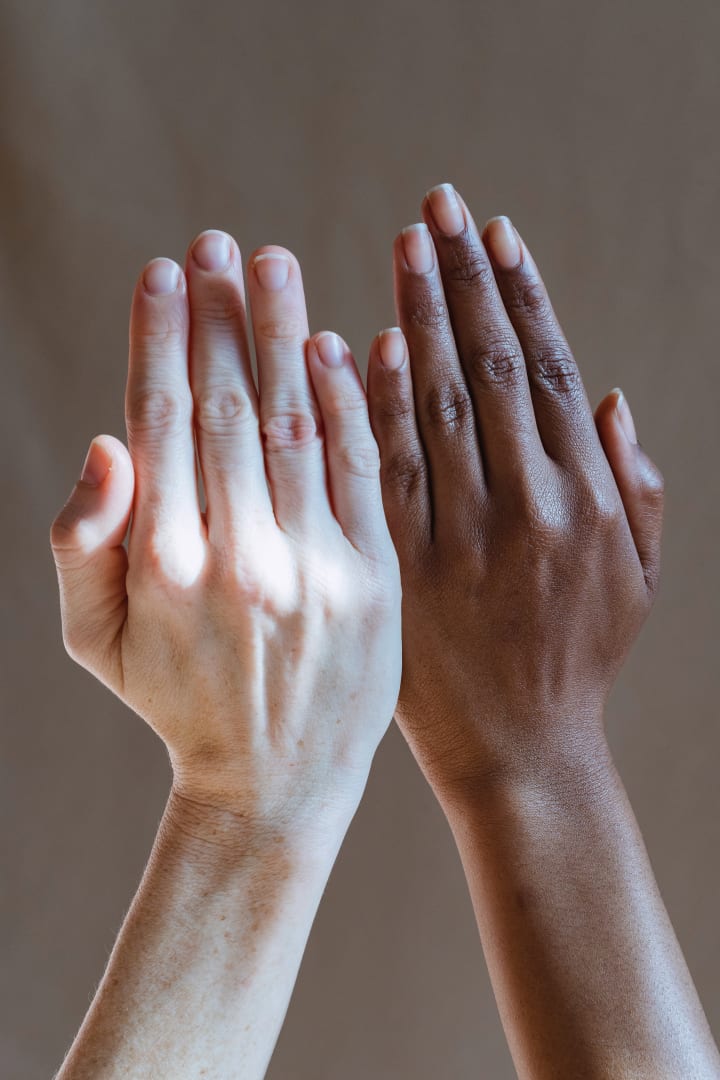
This could be as a result of genetics, race, amount of sunlight exposure and other factors. There are basically different types of melanin and they are;
Eumelanin: Eumelanin is the most common type of melanin, it is a brown to black pigment that is responsible for the dark color in our skin, hair and eyes. It also helps protect the epidermis against damage from ultraviolet radiation. When there is a little amount of black or brown eumelanin, it can result in the production of blonde hairs. Although, the amount of eumelanin in our skin can be raised by tanning or our genes.
Pheomelanin: It is a lighter type of melanin that is responsible for yellow, pink and red pigmentation in areas such as the hair, lips, nipples and other parts of the body. People with equal eumelanin and pheomelanin tend to have red hair. They produce less dark pigment making them prone to sunburns.
Neuromelanin: These type of melanin are found in the brain and do coloring of things we cannot see. They are responsible for the color of your neurons.
Function Of Melanin
Melanin has a variety of functions such as:
* Pigmentation of the hair.
* Pigmentation of the skin.
* Pigmentation of the eye.
Pigmentation Of The Skin
The skin’s natural color is determined by the amount of melanin your skin produces, be it eumelanin or pheomelanin and the amount of melanosomes found in the melanocytes.
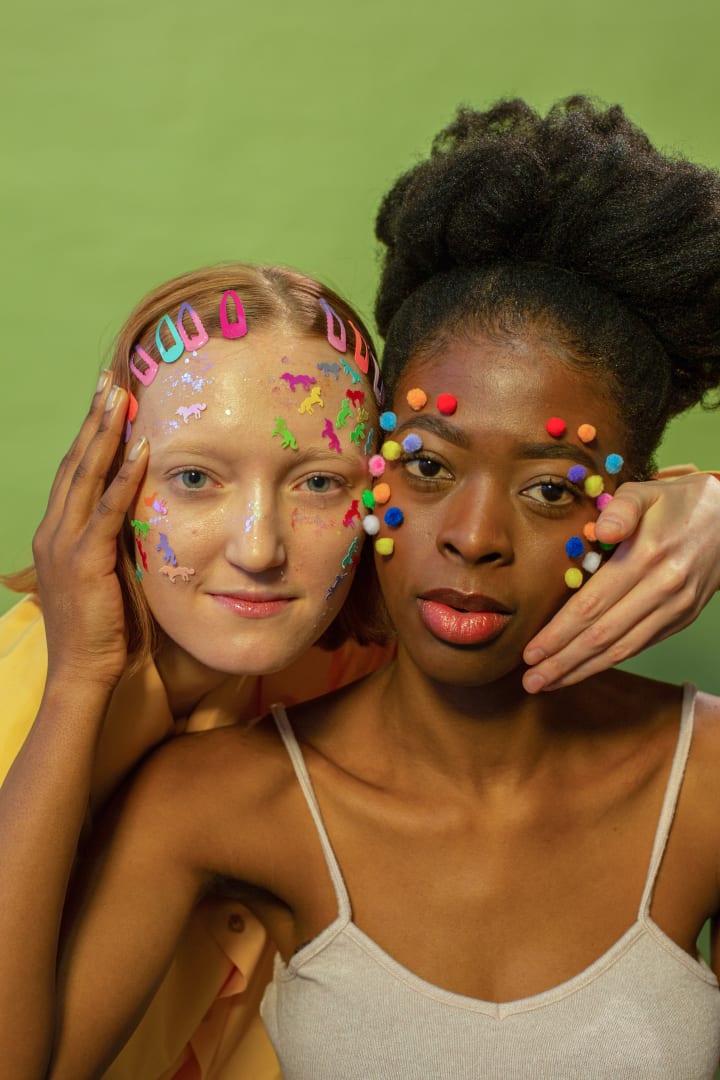
NB: Pheomelanin is responsible for the pinkish coloring of our lips, nipples or vagina.
Pigmentation Of The Hair
The color of the hair can be determined by the type of melanin present in the body.
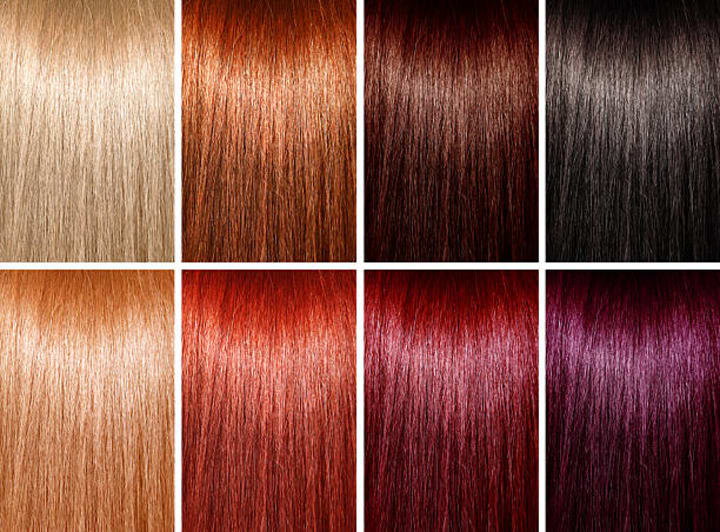
* Black or Brown Hair: This is a result of the changing amount of brown and black eumelanin in the body.
* Blonde Hair: This occurs due to the lack of eumelanin in the body or the presence of a little amount of black and brown eumelanin
* Red Hair: The presence of an equal amount of eumelanin.
* Strawberry Blonde Hair: Caused by the presence of brown eumelanin and pheomelanin.
Pigmentation Of The Eyes
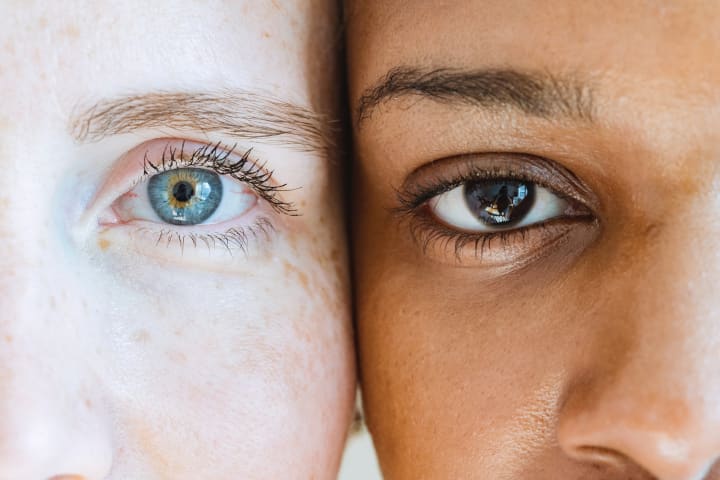
The color of your eye is determined by the amount of melanin found in the front layer of the iris. The pigmentation of the iris varies in color from light brown to black depending on the decreasing amount of melanin found in the front and back of the iris.
BENEFITS OF MELANIN
Apart from providing color to the skin, hair, and eyes. Melanin also plays other important roles like;
* Protection From UV Rays: Melanin is a natural UV-absorbing agent that helps protect the skin against harmful rays like UVA, UVB, and blue light that cause damage to the skin. It serves as a defense mechanism against the sun, it helps protect genetic material and DNA from damage.
* Protection Against Reactive Oxygen Species (Ros): They are byproducts of the body’s cellular process. Ros represents a major agent of oxidative stress that is likely to be beneficial to the skin or cause harm such as premature aging, wrinkles, inflammation, or other health concerns when it accumulates in our cells. Melanin can hunt, capture and eliminate free radicals by boosting antioxidants in the body.
Although not confirmed, melanin was suggested as an immune system support and to helps in reducing inflammation.
FACTORS THAT AFFECT MELANIN LEVEL
The level of melanin produced in the body can be determined by;
* Genetic
* Hormones
* Age
* Sun exposure
RATING OF PEOPLE WITH THE MOST MELANIN IN THE WORLD 🌎
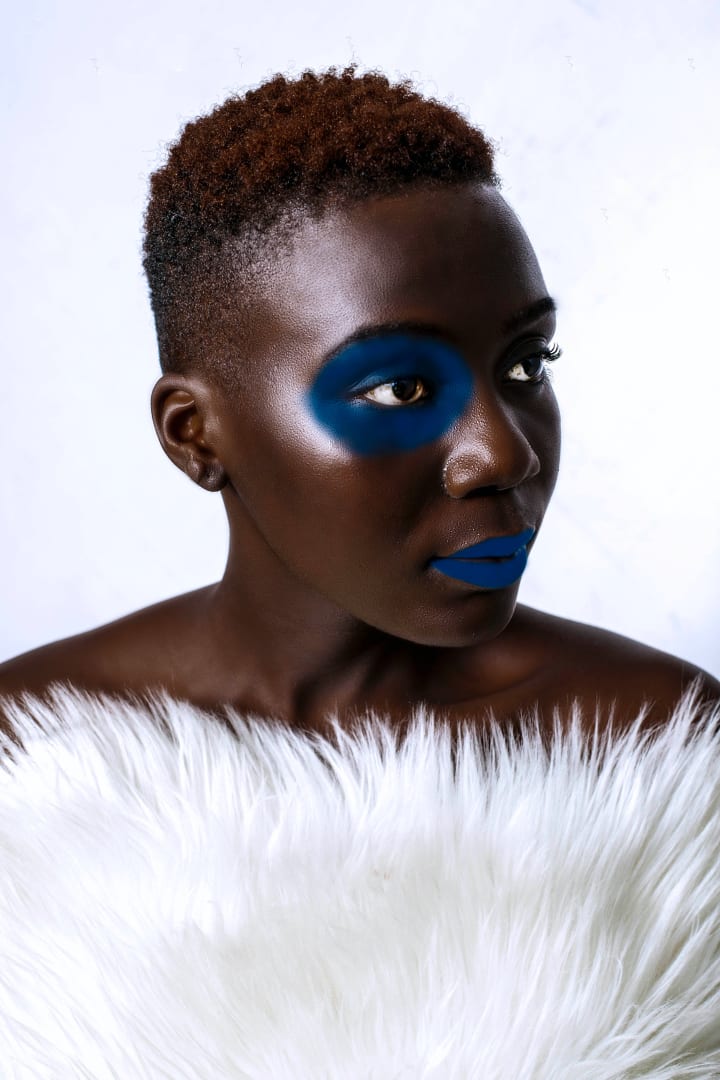
Africa, India and Senegal have some of the darkest skin tones in the world. They have the highest amount of the dark eumelanin, a type of melanin found in the epidermis.
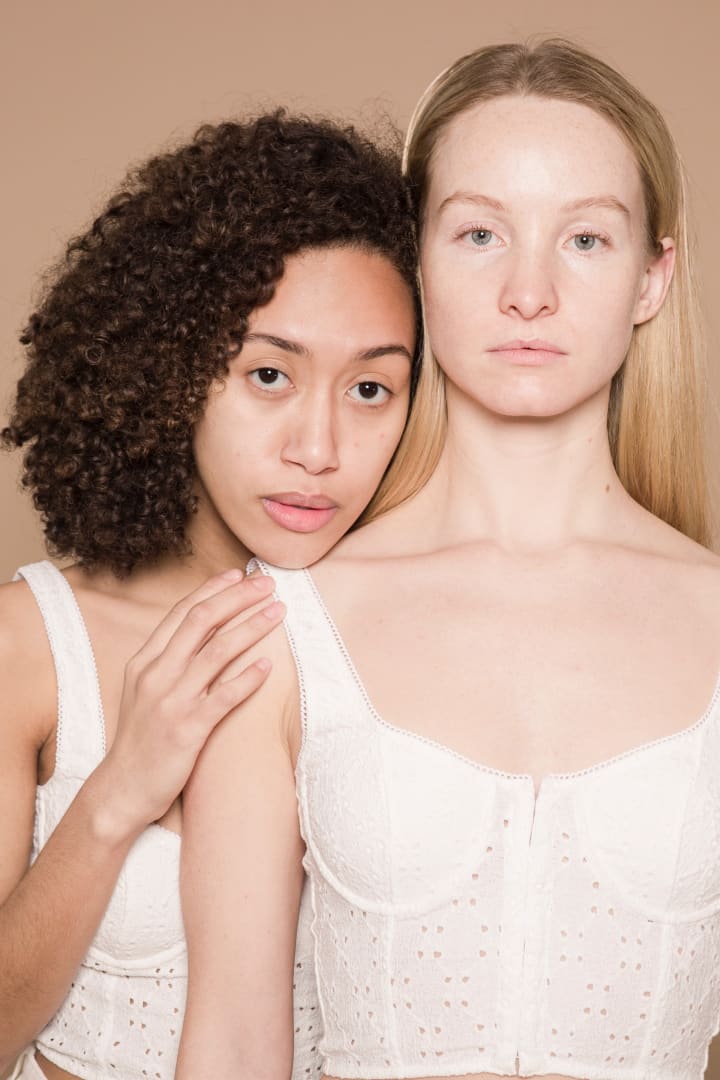
While the Europeans, Asians, Americans and others produce the yellowish type of melanin called the pheomelanin.
DISORDER RELATED TO MELANIN
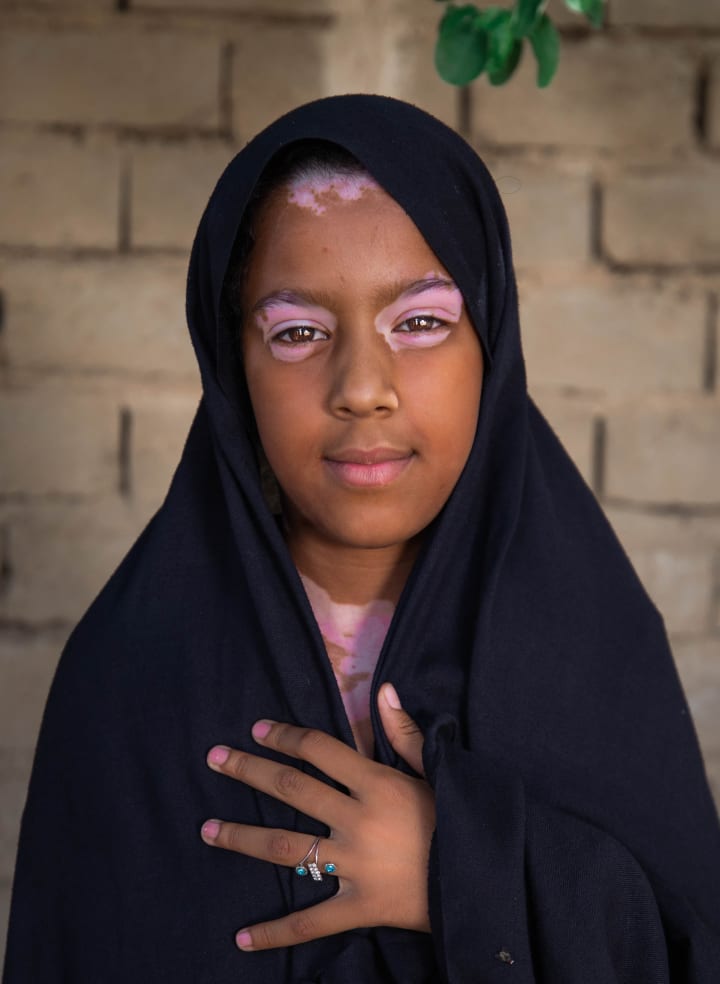
Vitiligo: It is a chronic, long lasting skin condition that causes white patches to develop on the skin. Vitiligo is caused by lack of melanin in the body, when there are not enough melanocytes to produce melanin the skin needs or when the melanocytes start to malfunction. It can affect people of all skin types, but is more noticeable in people with brown or black skin.
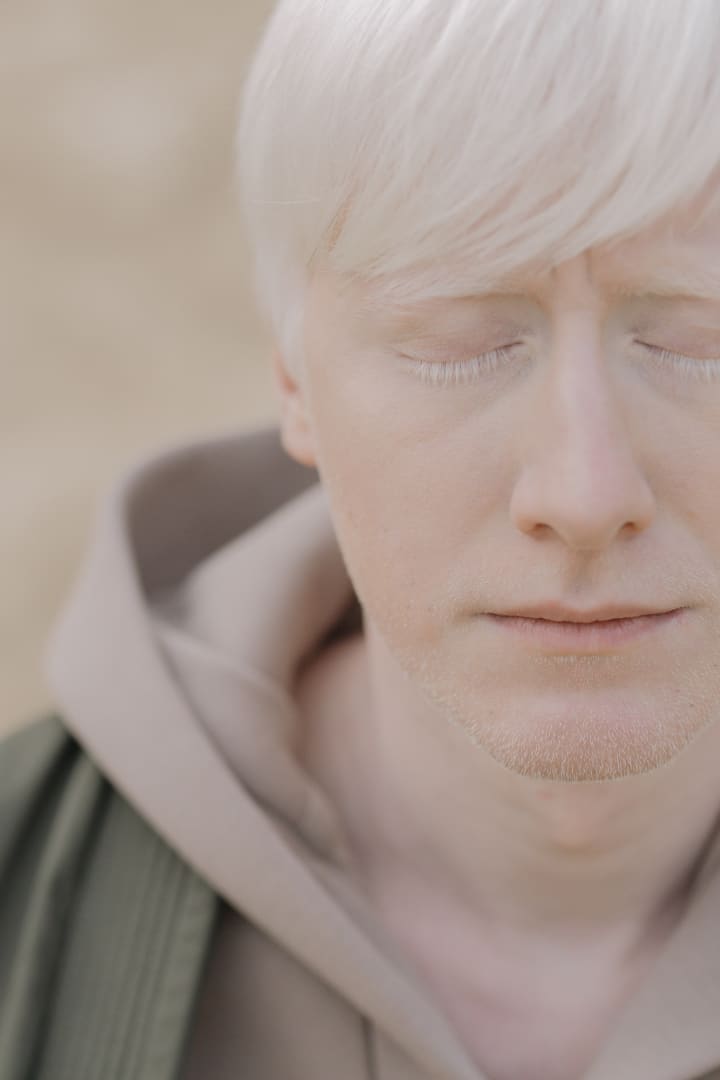
Albinism: It is a rare genetic skin disorder that causes the skin to have little or no color, a lighter skin, hair or eye than usual. Albinism is caused by a defect in one of the genes that produces or distributes melanin resulting in the absence of melanin production or a smaller amount of melanin produced. Apart from vision problems, people with albinism are as healthy as anyone else.
There are different types of melanin and they include:
oculocutaneous Albinism
• OCA 1
• OCA 2
• OCA 3
• OCA 4
• OCA5
• OCA 6
• OCA 5
Ocular Albinism
Hermansky Pudlak Syndrome
Chediak Higashi Syndrome
Griscelli Syndrome
Melasma: Melasma is a common skin condition characterized by brown or gray discolored patches that appear on areas of skin usually exposed to the sun like the face, neck, arm, and shoulder, they are common among people with light or brown skin tone. It is as a result of excess sun exposure, hormonal change during pregnancy or genetics.
Pigment Loss: Sometimes due to some health conditions like ulcer, blisters, burn or infection, pigments are lost in some area of the skin and they are not replaced.
Hearing Loss: Melanin is present in the vascular of the inner ear and helps play a role in maintaining it. People with a low melanin level experience have hearing problems.
Parkinson's Disease: It consists of selective degeneration of brain cells that contain the dark brown pigment neuromelanin found in the substantia nigra region of the brain. It causes the lack of neuromelanin in the brain.
Conclusion
Not only does melanin act as a barrier to UV rays. It also represents diversity, individuality, and beauty. Our skin's melanin content and distribution influence our skin color, which differs greatly across people and across various populations. Although it has historically been a source of pride and cultural identity for many communities, skin color has also been used as a basis for prejudice and discrimination.
Reference
All photos from pexels and istock
About the Creator
Healing the Hidden: Healthcare for the World’s Most Remote Populations
Across the globe, millions of people live in areas where access to healthcare is limited or nearly impossible. These communities, often tucked away in mountains, deserts, forests, or on distant islands, face challenges beyond the scope of ordinary medical care. Isolation, inadequate infrastructure, and shortages of trained medical professionals create a situation in which even basic health services are hard to obtain. Addressing these challenges requires creative solutions, collaboration, and a commitment to ensuring that no population is left behind.
By Baitulmaal6 days ago in Education




Comments
There are no comments for this story
Be the first to respond and start the conversation.