
The Seasonal Diversity of Bangladesh
The Diversity of Six Seasons in Bangladesh
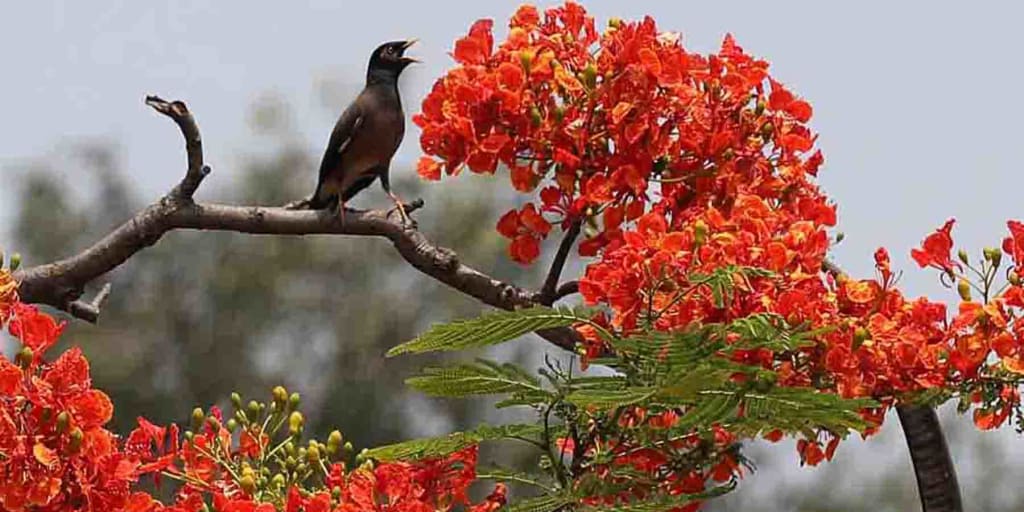
Bangladesh, a country nestled in the heart of South Asia, is known not only for its rich culture and heritage but also for its remarkable seasonal diversity. Unlike many countries that experience four distinct seasons, Bangladesh enjoys six — each with its own charm, influence, and cultural significance. These seasons are: “Summer (Grishmo), Rainy (Borsha), Autumn (Shorot), Late Autumn (Hemonto), Winter (Sheet),” and “Spring (Boshonto)”. This six-seasonal cycle plays a significant role in shaping the lifestyle, agriculture, economy, and festivals of the country.
1. “Summer (Grishmo)” – Scorching and Bright

Summer in Bangladesh typically begins in “mid-April” and lasts until “mid-June”. During this time, the sun scorches the earth, with temperatures often reaching above “40°C” (104°F). The land becomes dry, and rivers begin to shrink. While the heat can be intense, this season also brings the “delicious mangoes, jackfruits, and litchis” for which the country is famous. People often take shelter under trees, and rural life slows down under the oppressive heat. The celebration of “Pahela Baishakh”, the Bengali New Year, falls in this season, which brings joy and festivity amidst the heat.
2. “Rainy Season (Borsha)” – A Land Reborn
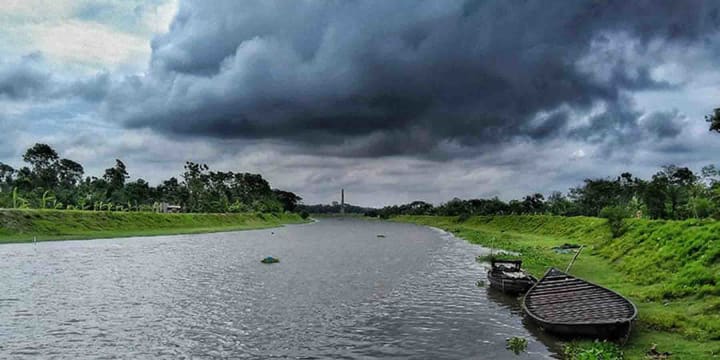
From “mid-June to mid-August”, the monsoon arrives with dark clouds and torrential rain. Rivers swell, ponds overflow, and greenery is revived. For a country with a largely agrarian economy, the rainy season is a blessing. It “nourishes the rice paddies, jute fields”, and other crops. However, excessive rain often leads to “flooding”, which causes displacement and hardship, particularly in low-lying areas. Despite this, the rainy season carries a poetic beauty. Folk songs like “Borsha Geet” and the writings of Rabindranath Tagore celebrate the romance and melancholy of the rain.
3. “Autumn (Shorot)” – Clean and Calm
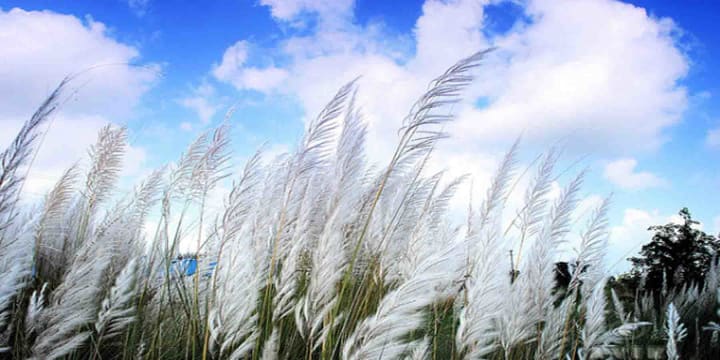
Spanning from “mid-August to mid-October”, autumn brings “clear blue skies”, scattered white clouds, and a break from the relentless rains. The landscape is fresh and clean, and the air becomes lighter. This season is associated with “hope and rejuvenation”. One of the major religious festivals of the Hindu community, “Durga Puja”, is celebrated during this time. Nature, too, seems to worship, as “kashful” (sacred grass) blooms along riverbanks, swaying gently in the breeze.
4. “Late Autumn (Hemonto)” – Harvest and Transition
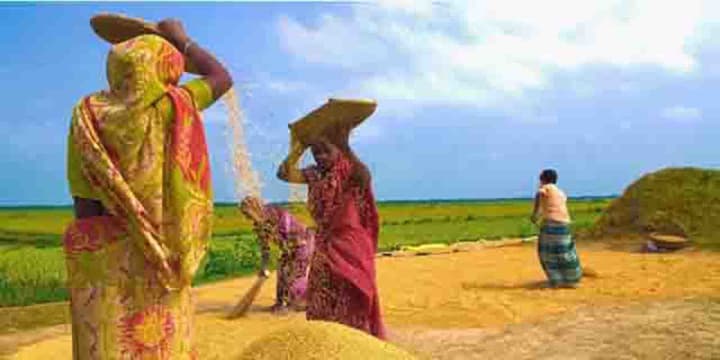
From “mid-October to mid-December”, the late autumn season marks the “harvest time” in Bangladesh. The fields are golden with ripe paddy, and farmers are busy reaping the rewards of their hard work. The air becomes slightly cooler, and mornings are often misty. This is a time of gratitude and celebration in rural areas. “Nobanno”, a traditional festival of new rice, is observed with food, dance, and music. Hemonto serves as a transition between the warmth of autumn and the cold of winter.
5. “Winter (Sheet)” – Cold, Calm, and Crisp
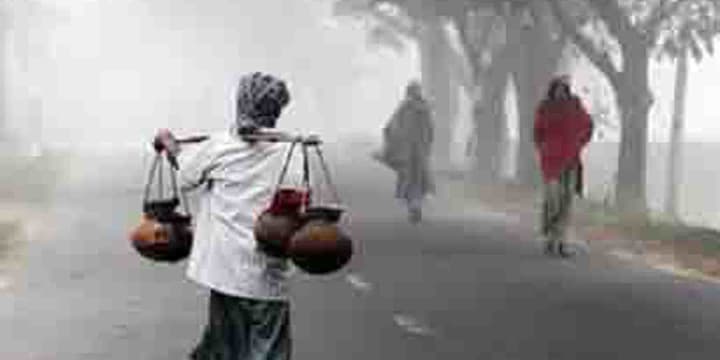
Winter in Bangladesh lasts from “mid-December to mid-February”. Although not harsh compared to colder climates, temperatures can drop to “5°C–10°C” (41°F–50°F) in northern regions. The chill in the air is accompanied by foggy mornings and long nights. People wear warm clothes and enjoy seasonal foods such as “pithas (traditional rice cakes)”, date juice, and roasted peanuts. For the poor, especially in rural areas, winter can be a time of hardship due to a lack of adequate clothing and shelter. Nonetheless, winter also brings a festive spirit with “book fairs”, “cultural programs”, and weddings.
6. “Spring (Boshonto)” – The King of Seasons
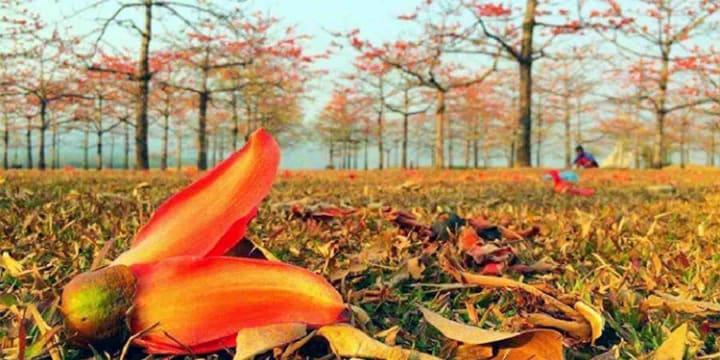
Spring, from “mid-February to mid-April”, is often referred to as the “King of Seasons” in Bengali literature. It is a time when nature awakens from its slumber. “Flowers bloom”, especially the iconic “Palash, Shimul, and Krishnachura”, painting the landscape in vivid colors. The weather is mild, and the skies are clear. This season symbolizes “love, youth, and creativity”. “Pohela Falgun”, the first day of spring, is celebrated with vibrant clothing, songs, and dance — especially among young people. It is a time when Bangladesh truly comes alive.
“Conclusion”
The six seasons of Bangladesh are more than just changes in weather — they are deeply interwoven with the culture, livelihood, and identity of the nation. Each season has its own rhythm, challenges, and gifts. Together, they create a natural harmony that reflects the resilience and beauty of the Bangladeshi people and their way of life. This unique cycle of seasons is not only a climatic phenomenon but also a celebration of life itself.
About the Creator
What Real Residents Reveal About Co-Living in New York City
Finding housing in New York City can be overwhelming, especially for students, interns, and professionals moving from different parts of the world. While listings and pricing matter, real-life experiences often give the clearest picture of what living in a shared space is actually like. Looking at resident reviews can help uncover what truly makes a co-living experience successful—or challenging.
By Ausfab Group2 days ago in Education
Smart Home Plumbing Habits That Protect Your Pipes
Owning a home brings pride and comfort. It also brings responsibility. Plumbing is one of the most critical systems in any house. Small mistakes can lead to leaks, damage, and high repair costs. This guide shares essential plumbing tips every homeowner should know. The goal is to help you avoid trouble and keep your home running smoothly.
By Lickety Split7 days ago in Education
How, Too
Many people wonder how, too. You are not alone, and I am an expert. I will teach you how, too! First, you need to remit a small application fee and fill out an application describing the nature of your financial situation and how often payments will be made, as this will have great bearing on how well I teach you how, too.
By Harper Lewis4 days ago in Fiction




Comments
There are no comments for this story
Be the first to respond and start the conversation.