
The Science of Successful Learning
Unveiling the Brain's Secrets

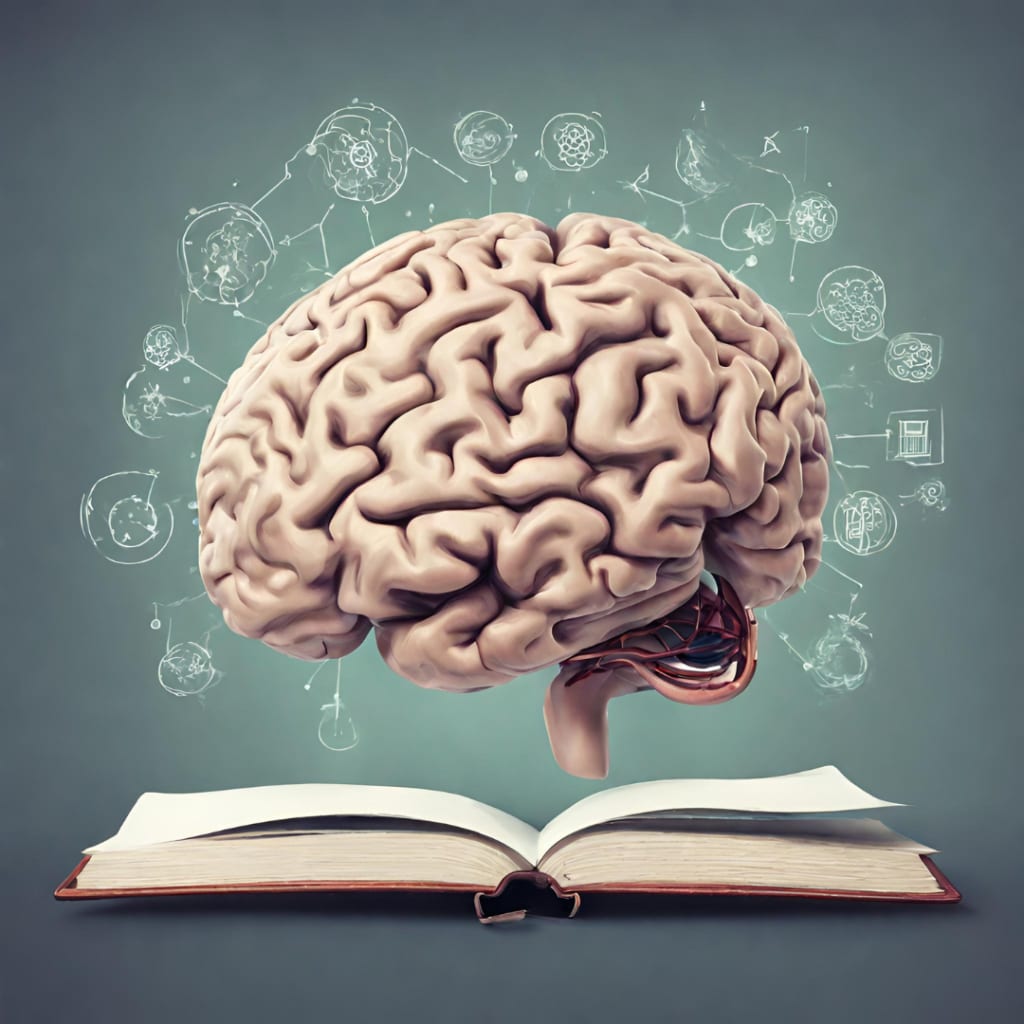
In the high-stakes world of medical training, where the skills acquired can be a matter of life and death, remembering and applying knowledge is paramount. A groundbreaking 2006 study divided a group of surgical residents tasked with mastering the art of suturing arteries into two. Both groups had the same study materials, but one adopted a unique study approach. When tested one month later, the group that embraced this innovative strategy significantly outperformed their counterparts. This article delves into the secrets behind their success and explores two highly effective study techniques with broad applications inside and outside the classroom.
The Brain's Learning and Memory Mechanisms
To grasp the underpinnings of these successful study techniques, unraveling the intricate processes by which the brain learns and stores information is essential. Consider the challenge of memorizing the complex anatomy of the heart. When introduced to a new concept, your brain temporarily encodes that memory within the hippocampus. As you continue to explore the complexities of the heart's functions in your classes or when studying its chambers for an upcoming exam, you reactivate these same neurons. This repetitive firing strengthens the connections between these cells, stabilizing memory. Over time, your knowledge of heart anatomy transitions into long-term storage, a process that involves another brain region known as the neocortex.
Unlocking Memory with Testing: The Power of Active Retrieval
The first technique involves testing yourself with flashcards and quizzes, which compels you to actively retrieve knowledge, enhancing and updating your memory. Many students prefer alternative study approaches, such as re-reading textbooks or highlighting notes. However, these practices can lead to a deceptive sense of competence since the information is readily accessible. In contrast, self-testing allows a more accurate assessment of your knowledge. Moreover, making mistakes during testing can positively impact long-term learning. When you struggle to recall an answer, your brain activates relevant knowledge. Upon uncovering the correct response, your brain can better integrate this information with what you already know.
Interleaving: Blending Subjects for Enhanced Retention
Building upon the first technique, the second strategy involves mixing and matching various subjects using flashcards. This interleaving, or the deliberate blending of different concepts within a single study session, often leads to better retention than focusing on a single skill or topic. One hypothesis for this phenomenon is that, like testing, cycling through various subjects compels your brain to forget and retrieve information, temporarily strengthening memory. In the process, you may discover connections between different topics, enhancing your understanding of their distinctions.
Perfect Timing: Spacing Your Learning for Long-Term Retention
The third technique revolves around the timing of your study sessions. Distributing your review across multiple days allows for rest and sleep between these sessions. During these intervals, your brain actively stores and integrates knowledge in the neocortex. Despite the allure of cramming the night before an exam, with the material fresh in your mind, this method needs to be revised to promote long-term retention.
Returning to the scenario of the medical residents, both groups dedicated an equal amount of time to studying the surgery. However, one group crammed their training into a single day, while the more successful group spread their training over four weeks.
These three study techniques are effective because they align with the brain's natural processes. They are thoughtfully designed to complement and reinforce the brain's remarkable ability to organize and store the wealth of information it encounters daily.
Thank you so much for reading my article on the science of successful learning; it means the world to me. I hope you have a unique, fantastic day!
About the Creator
Gabriel Corbin
Not much to say, just a person writing articles
Loves German shepherds.
Keep reading
More stories from Gabriel Corbin and writers in Education and other communities.
Is Mars Getting Rid of it's Moon?
Mars' Cosmic Family: Phobos and Deimos Thinking about the cosmic neighborhood, especially our planetary pals, is fascinating. And when it comes to Mars, it's got its own little family – Phobos and Deimos. You've probably heard of them before. These two small moons orbit Mars, but the Red Planet might not treat them so kindly.
By Gabriel Corbin2 years ago in Earth
Silicon Muscle The USD 8.88 Billion Rise of China Industrial Automation (2025-2033)
In 2026, the factory floors of Dongguan and Suzhou are no longer just places of manual labor; they are the new frontiers of "Embodied Intelligence." China has officially moved past being the world's workshop to becoming its premier robotics laboratory. As of this year, the industrial automation landscape in China has crossed a monumental threshold. Valued at USD 3.27 Billion in 2024, the sector is projected to hit a staggering USD 8.88 Billion by 2033, fueled by a 10.52% CAGR that is reshaping the global manufacturing balance.
By Neeraj kumar6 days ago in Education
When Day Turns to Night: The Longest Solar Eclipse of the Century Now Has an Official Date
The sky has always held humanity’s attention, but every so often, it offers a spectacle so rare and dramatic that it feels almost otherworldly. Soon, day will briefly turn into night as the longest solar eclipse of the century now has an official date. Astronomers and space agencies around the world are already preparing for what experts describe as an exceptional event marked by its remarkable duration and rare visibility.
By Aqib Hussainabout 21 hours ago in Education



Comments
There are no comments for this story
Be the first to respond and start the conversation.