
The Role of AI in Special Education
Tailoring Learning for Diverse Needs

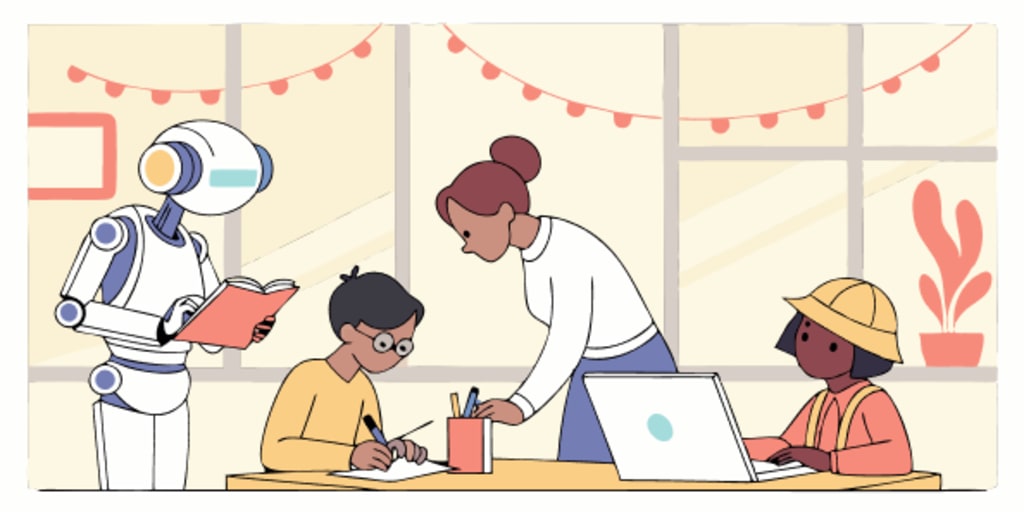
In the realm of special education, AI is emerging as a powerful tool to address the unique learning requirements of students with disabilities such as autism. By harnessing adaptive technology, AI is reshaping educational approaches to create more inclusive and effective learning environments.
Personalized Learning Experiences
AI systems can customize educational content to match each student's cognitive abilities, learning pace, and communication style. For autistic children who often have distinct sensory sensitivities and learning patterns, AI can present information through preferred modalities, whether visual, auditory, or interactive. This personalized delivery helps maintain focus and enhances comprehension.
Social Skills Development
AI-powered applications offer safe, controlled spaces for practicing social interactions. For children with autism, these platforms can simulate real-life scenarios, allowing them to develop essential social skills at their own pace. Features like emotion recognition tools and social storytelling provide opportunities for repeated practice without the pressure of face-to-face interactions.
Real-time Support and Feedback
AI tutors can offer immediate assistance during learning activities, reducing frustration and promoting independent learning. They provide instant feedback on responses, helping students correct misunderstandings promptly. This timely support is particularly beneficial for students who may struggle to ask for help in traditional classroom settings.
Data-Driven Insights
AI systems collect valuable data on student progress, which educators can use to refine teaching strategies. This information helps identify specific areas where students need additional support or modified approaches, enabling more targeted intervention.
Engagement through Interactive Content
AI incorporates interactive elements like games, animations, and responsive avatars to make learning more engaging. For students with attention challenges, these dynamic elements can sustain interest and motivation longer than traditional methods.
Accessibility and Assistive Technologies
AI can enhance accessibility for special needs students by converting text to speech, providing image descriptions, and supporting reading comprehension. Tools like Speechify offer innovative text-to-speech applications that help students with reading disabilities access and comprehend written materials more effectively.
Behavioral Analytics and Support
AI models can analyze behavioral data to identify patterns and trends in student behavior. This data-driven approach helps teachers better understand their students' needs and implement targeted interventions to support behavioral management and social-emotional development.
Speech and Language Therapy
AI-driven speech recognition tools can assist speech therapists in assessing speech patterns and providing targeted interventions. These tools allow therapists to track progress more effectively and customize therapy sessions for students with speech disorders.
Personalized Tutoring Systems
AI can help personalize tutoring by creating adaptive learning paths that adjust based on student progress and performance data. Systems like MobyMax use AI to offer personalized learning paths and adaptive assessments across various subjects.
Conclusion
AI is revolutionizing special education by providing adaptable, responsive learning solutions that accommodate diverse learning needs. While human educators remain irreplaceable for emotional support and nuanced guidance, AI offers complementary tools that enhance educational outcomes for students with disabilities. By integrating AI into special education frameworks, we can create more accessible, personalized learning experiences that respect each student's dignity and unique potential.
Recommended books
Genesis: Artificial Intelligence, Hope, and the Human Spirit
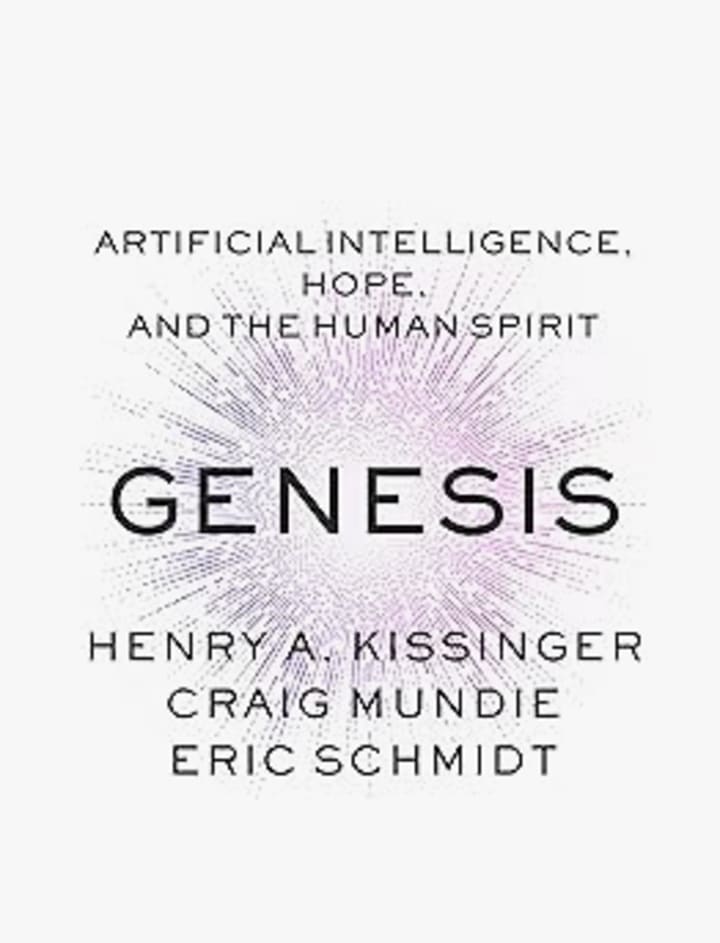
As Artificial Intelligence (AI) becomes more dynamic and ubiquitous, it is dramatically empowering people in all walks of life while also giving rise to urgent questions about the future of humanity—a historic challenge whose contours and consequences are revealed by three eminent thinkers in Genesis.
About the Author: With over a decade of experience as an internet product architect, I’ve spent my career crafting innovative application solutions that bridge technology and real-world needs. Now, as a passionate advocate for artificial intelligence, I focus on exploring its transformative applications. I’m committed to pushing the boundaries of AI to empower lives and shape a smarter future. Join me on this exciting journey as we uncover the endless possibilities of intelligent technology.
About the Creator
roc chiang
I'm a tech enthusiast and entrepreneur based in Vancouver. I share original articles on technology, business and other related topics on social media to showcase my passion and insights.
Editor-in-Chief:fengtou.ca
Keep reading
More stories from roc chiang and writers in Education and other communities.
AI-Powered Tutors: Revolutionizing Student Support
In the rapidly evolving landscape of education, AI-powered tutors have emerged as a transformative force, offering personalized learning experiences that cater to the unique needs of each student. These intelligent systems leverage advanced algorithms and machine learning to adapt to individual learning styles, paces, and requirements, providing tailored instruction and support that traditional classrooms often struggle to achieve due to time and resource constraints.
By roc chiang10 months ago in Education
Why Understanding the Problem Matters More Than the Stack
Modern software development places extraordinary emphasis on tools. New frameworks promise productivity, new languages promise safety, new architectures promise scale. Engineers debate stacks with near-ideological intensity. Yet many of the most expensive failures in software have nothing to do with poor technology choices. They stem from something more fundamental: a shallow understanding of the problem being solved.
By Gustavo Woltmann3 days ago in Education



Comments
There are no comments for this story
Be the first to respond and start the conversation.