
The Rise of Helpful Machines: How Robots Will Transform Our Lives in the Near Future
From assisting with daily chores to enhancing healthcare, robots are set to become trusted companions and efficient coworkers.
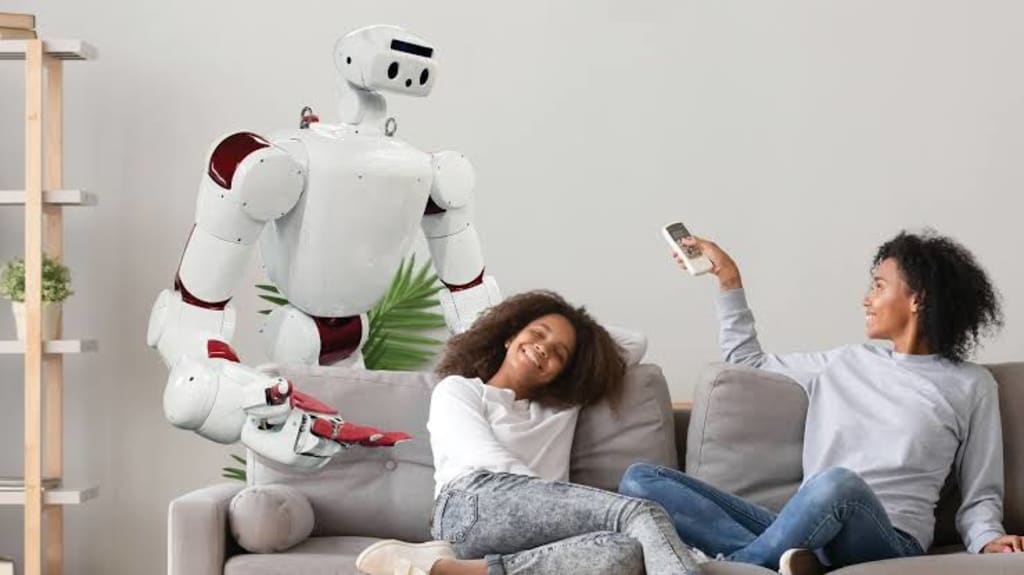
The rapid development of robotics is no longer a concept confined to science fiction. In the near future, robots will increasingly become an integral part of our everyday lives. From domestic environments to public spaces and workplaces, robotic technology will support humans in countless ways. As artificial intelligence (AI) becomes more refined and mechanical designs more agile, the potential applications for robots are growing rapidly. This article explores how robots are expected to facilitate life in the near future, making tasks easier, environments safer, and interactions more intelligent.
---
Robots in the Home
Perhaps the most immediate impact of robotic technology will be felt inside our homes. Already, smart vacuum cleaners and automated kitchen appliances are commonplace. In the coming years, we can expect more advanced home-assistance robots that not only clean but also cook, care for pets, and monitor the health of elderly family members.
Imagine a robotic assistant that not only reminds you to take your medication but can also detect health anomalies and alert medical professionals if necessary. These robots will be connected to the Internet of Things (IoT), enabling them to control lighting, climate, and security systems, creating fully automated and responsive smart homes.
---
Revolutionizing Healthcare
Healthcare stands to benefit enormously from robotic innovations. Robots will assist in surgeries, offering precision that even the most skilled surgeons may struggle to match. Moreover, robotic exoskeletons and rehabilitation bots will aid patients recovering from strokes or injuries, helping them regain mobility and strength.
In hospitals, robotic nurses will handle tasks like delivering supplies, disinfecting rooms, and monitoring vital signs, freeing human nurses to focus on more complex patient care. In remote areas, telepresence robots will allow doctors to consult with patients from miles away, ensuring that expert care is never out of reach.
---
Enhancing Education
Educational environments will also see a transformation with the introduction of robots as teaching aids. These machines will offer personalized learning experiences tailored to each student’s pace and style. Language-learning bots, for instance, will engage students in conversations and offer real-time corrections.
Moreover, students with disabilities will particularly benefit from assistive educational robots that can help them engage with content and classmates more easily. Robots will not replace teachers but rather augment the learning process with interactive, adaptive, and engaging support.
---
Improving Elderly Care
With aging populations across many countries, robots will play a key role in elderly care. Companion robots will offer both emotional and practical support—keeping seniors company, helping them move around, and reminding them of appointments or medications.
More advanced models will monitor vital signs, detect falls, and even engage in simple conversations to reduce feelings of loneliness and isolation. These technologies will help older adults live independently for longer, easing the burden on caregivers and healthcare systems alike.
---
Transforming Workplaces
Robots are already present in many manufacturing plants, but the near future will see them expand into retail, hospitality, logistics, and even creative industries. In offices, robots will automate repetitive tasks such as data entry, scheduling, and document organization.
In service industries, humanoid robots will greet customers, answer basic queries, and even deliver room service. As AI-driven robots learn to understand context and emotion, customer service will become more efficient and satisfying.
The logistics industry, too, will benefit from robotic advancements. Autonomous delivery bots and drones will make last-mile delivery faster and more reliable, especially in urban environments.
---
Safety and Emergency Response
In hazardous situations—such as fires, earthquakes, or pandemics—robots can enter areas unsafe for humans. Search-and-rescue robots equipped with thermal imaging and AI can locate survivors more efficiently, while drones can assess disaster zones and deliver essential supplies.
Law enforcement agencies may use robots to manage crowd control or defuse explosives, minimizing risk to human officers. These robots won’t replace human decision-makers but will provide crucial support in high-risk operations.
---
Ethical and Social Considerations
As robots become more embedded in daily life, questions around ethics, privacy, and employment will become increasingly important. Will robots replace human jobs? How will they handle sensitive personal data? Ensuring responsible development and regulation will be key to maximizing benefits while minimizing risks.
Governments, industries, and educators must collaborate to prepare society for these changes—developing new laws, training programs, and public awareness campaigns to ease the transition into a robot-assisted world.
---
Conclusion
Robots are poised to become helpful companions in nearly every aspect of our lives. From homes and hospitals to classrooms and workplaces, they will enhance our capabilities, offer critical support, and improve overall quality of life. As we stand on the brink of this technological shift, embracing innovation with caution, curiosity, and responsibility will ensure that the future is not just automated—but also humane.




Comments
There are no comments for this story
Be the first to respond and start the conversation.