
The Rise of AI in Everyday Life: Transforming How We Live and Work
Embracing AI: How Smart Assistants Are Changing Our Daily Routines
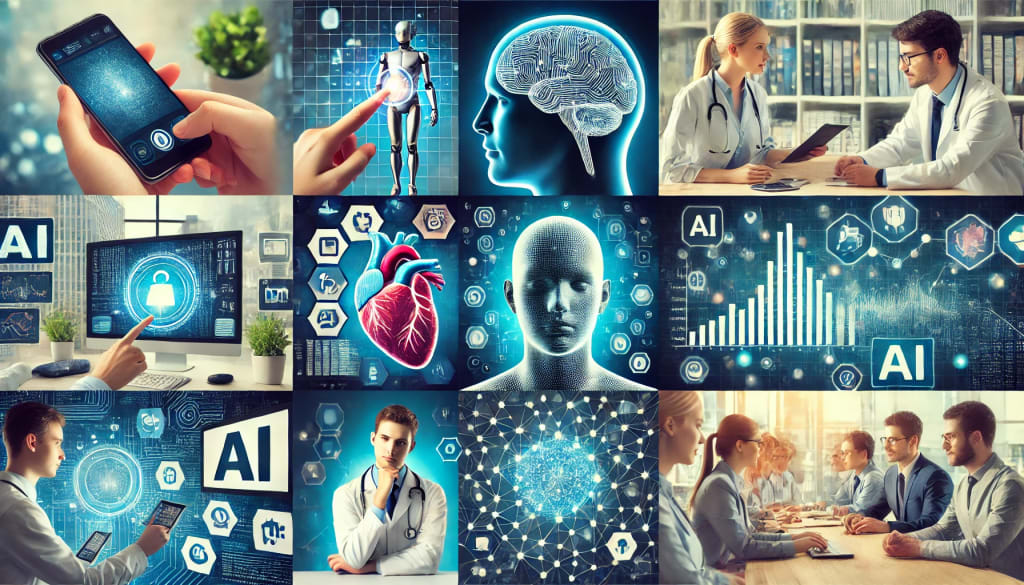
Artificial intelligence (AI) is no longer a concept confined to science fiction. It has evolved from futuristic speculation into a vital part of our daily lives. From personal assistants like Alexa and Siri to intelligent systems predicting everything from traffic to shopping trends, AI is revolutionizing the way we live, work, and interact. This article delves into how AI has permeated everyday life, its transformative power in various industries, and the potential challenges it brings.
AI in Consumer Technology: The Personal Assistant Revolution
One of the most noticeable impacts of AI in daily life is through personal assistants. Devices like Amazon’s Alexa, Google Assistant, and Apple's Siri have embedded themselves into millions of homes around the world. These AI-powered assistants use natural language processing (NLP) to understand and respond to user commands, making tasks such as setting reminders, playing music, and controlling smart home devices effortless.
AI-driven personalization is also reshaping the entertainment industry. Streaming platforms like Netflix, YouTube, and Spotify use AI algorithms to recommend content based on users' viewing or listening habits. This tailored experience not only increases user engagement but also ensures that people spend more time consuming media, making it an essential tool for these platforms.
AI in Healthcare: Revolutionizing Diagnosis and Treatment
AI’s impact extends far beyond convenience and entertainment; it is transforming industries that are critical to our well-being. Healthcare is a prime example of how AI is making ground breaking changes. AI algorithms are now being used to diagnose diseases with an accuracy that rivals human doctors. For example, AI-powered imaging systems can detect early signs of conditions like cancer, allowing for earlier interventions and better patient outcomes.
Moreover, AI is used in telemedicine to provide medical consultations remotely. These systems can analyze symptoms reported by patients, cross-referencing them with medical databases to offer potential diagnoses. During the COVID-19 pandemic, AI-driven diagnostic tools and chatbots provided critical support to overwhelmed healthcare systems.
Another innovative application of AI in healthcare is through robotic surgery. AI-powered robotic systems allow surgeons to perform minimally invasive procedures with greater precision than manual surgery, reducing the risk of complications and shortening recovery times. These advancements mark a new era of medical care, where technology complements human expertise to provide better health outcomes.
AI in Transportation: Paving the Way for Autonomous Vehicles
The transportation sector is experiencing a major shift thanks to AI, especially with the development of autonomous vehicles. Companies like Tesla, Google, and Uber are heavily invested in creating self-driving cars that rely on AI to navigate roads, avoid obstacles, and follow traffic rules. These systems are built on a combination of sensors, cameras, and machine learning algorithms, which process vast amounts of data in real-time to make driving decisions.
Although fully autonomous vehicles are not yet mainstream, AI is already enhancing the safety and efficiency of transportation. Many modern cars feature AI-powered systems like adaptive cruise control, lane departure warnings, and automated emergency braking. These features are designed to assist drivers and prevent accidents, moving us closer to a future where cars can drive themselves entirely.
AI is also transforming public transportation and logistics. For instance, AI is being used to optimize traffic flows in cities, reducing congestion and emissions. Delivery companies like FedEx and Amazon are exploring AI-powered drones and robots for package delivery, further revolutionizing how goods are transported.
AI in Business and the Workplace: Increasing Efficiency
AI has also become a driving force behind increased productivity in the workplace. Businesses are using AI tools to automate routine tasks, such as data entry, customer service, and even parts of financial analysis. For instance, chatbots powered by AI can handle customer inquiries 24/7, allowing companies to offer better service while reducing costs.
AI is making waves in data analysis, a critical function for businesses looking to make informed decisions. Machine learning algorithms can process massive datasets, identify trends, and generate insights at a speed and scale far beyond human capabilities. This is particularly valuable in sectors like finance, marketing, and retail, where data-driven strategies are key to staying competitive.
Moreover, AI is revolutionizing human resources through talent acquisition tools. These tools use AI to scan resumes, assess candidates' fit for specific roles, and even predict employee success, streamlining the hiring process.
Challenges and Ethical Considerations:
While the benefits of AI in everyday life are undeniable, its rise also brings challenges. Concerns about privacy, data security, and the potential for job displacement due to automation are growing. AI systems often require access to vast amounts of personal data to function effectively, raising questions about how that data is used and protected.
There are also ethical concerns regarding bias in AI systems. AI algorithms learn from the data they are trained on, and if that data contains biases, the AI may perpetuate those biases. For example, facial recognition technology has been criticized for inaccuracies in identifying individuals from minority groups. Addressing these concerns requires robust regulatory frameworks and ethical standards in AI development.
Conclusion:
AI is becoming an integral part of everyday life, driving innovation in various industries such as healthcare, transportation, and business. Its ability to enhance efficiency, personalize experiences, and offer innovative solutions to complex problems makes it a powerful tool for the future. However, as AI continues to evolve, society must address the ethical and security challenges it presents to ensure its benefits are realized responsibly. As AI's influence grows, its potential to improve lives and reshape industries is undeniable, but so is the need for careful consideration of its impact on society.
About the Creator
Python vs Rust Performance: Speed, Memory Usage, and Scalability Explained
When developers compare programming languages, performance is often one of the most debated factors. Two languages that frequently come up in these discussions are Python and Rust. While both are powerful in their own ways, they approach performance, memory management, and scalability very differently. This makes the Python vs Rust comparison especially relevant for teams choosing the right technology for their next project.
By Lennox Gray3 days ago in Education
💦The Water Cycle💦
Water is one of the most essential substances on Earth. It covers over 70% of our planet’s surface and is crucial for all forms of life. But have you ever wondered how water moves continuously around the Earth? How rivers, oceans, clouds, and rain are all connected in a constant cycle? This amazing natural process is called the water cycle, and it ensures that life never runs dry.
By Talha khana day ago in Education
Miss Persephone's Manual to a Seemingly Ordinary Life
Miss Persephone was found at the dining table, her blue eyes swollen, her tears arriving and retreating like the tides of the ocean. Earlier that day, her family had visited her in the retirement home where she had lived for eight years. It was her eightieth birthday.
By Imola Tóth3 days ago in Fiction




Comments
There are no comments for this story
Be the first to respond and start the conversation.