
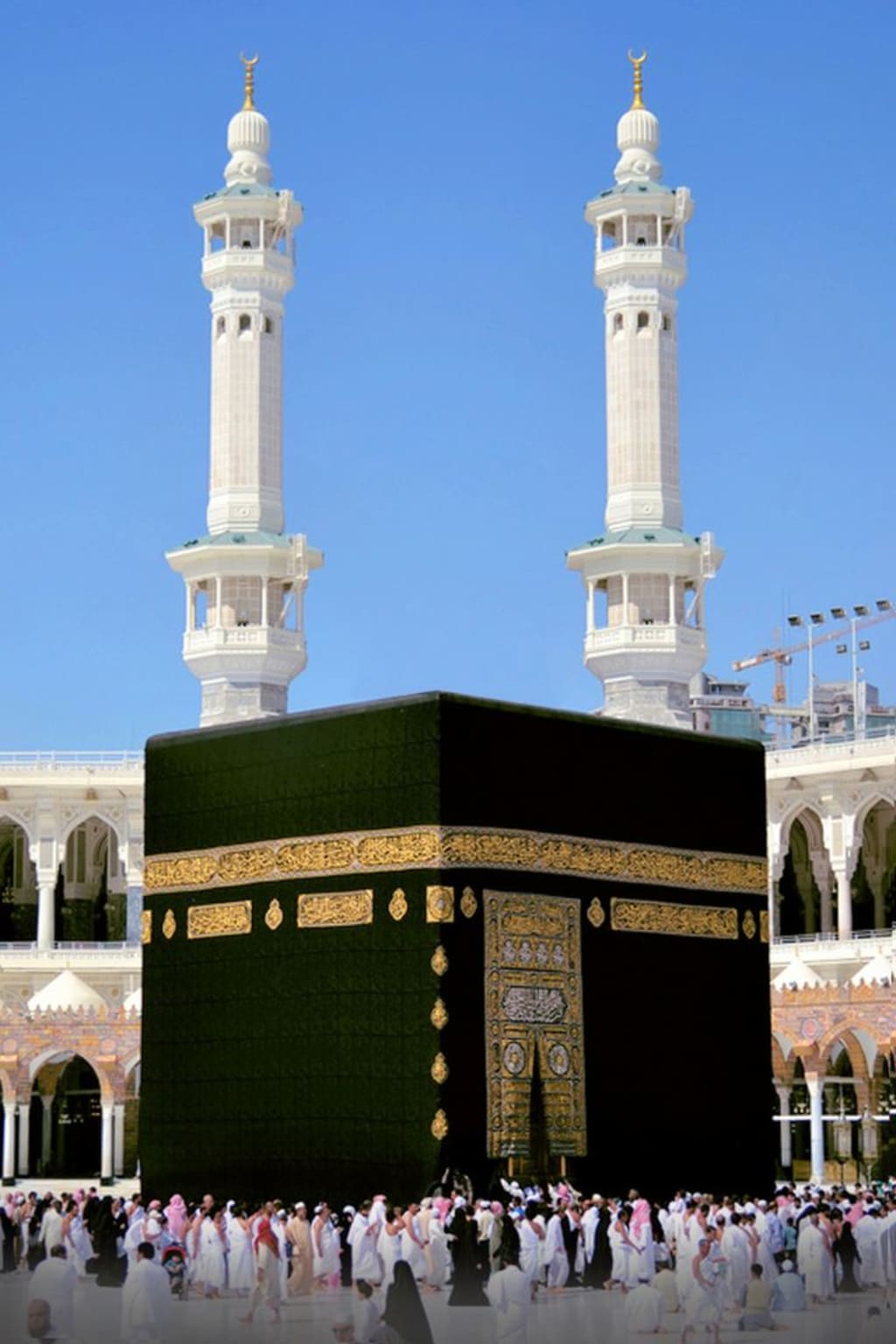
Title: Islam: A Faith of Peace, Unity, and Devotion
Introduction:
Islam, the world's second-largest religion, is a comprehensive and vibrant faith that encompasses a rich tapestry of beliefs, practices, and values. With over 1.8 billion followers globally, Islam has a profound influence on individuals, communities, and societies. In this article, we will explore the core principles of Islam, its fundamental teachings, and its impact on the lives of Muslims worldwide.
1. The Pillars of Islam:
At the heart of Islamic practice lie the Five Pillars of Islam, which serve as the foundation for a Muslim's spiritual journey. These pillars include Shahada (faith), Salat (prayer), Zakat (charity), Sawm (fasting), and Hajj (pilgrimage). Each pillar emphasizes different aspects of devotion and encourages believers to lead a balanced life by maintaining a strong connection with God and fellow human beings.
2. Oneness of God and Prophethood:
Islam staunchly upholds the belief in the absolute oneness of God, known as Tawhid. Muslims believe that Allah is the only deity worthy of worship and that all human beings are created to submit to His will. The Prophethood, beginning with Adam and culminating with the final messenger, Prophet Muhammad (peace be upon him), serves as a means of guidance and communication between God and humanity.
3. Peace and Compassion:
Contrary to popular misconceptions, Islam promotes peace and condemns violence. The Quran, the holy book of Islam, stresses the importance of peace, justice, and compassion. Muslims are encouraged to be ambassadors of peace and to establish harmonious relationships with people of all faiths and backgrounds. The concept of "ummah" or the global community of Muslims underscores the unity and solidarity among believers.
4. Gender Equality and Social Justice:
Islam advocates for the equal worth and dignity of all individuals, regardless of their gender, race, or social status. Islam affirms the rights and responsibilities of women, granting them the freedom to pursue education, engage in public life, and contribute to society. Moreover, Islam places great emphasis on charity, encouraging Muslims to give generously to alleviate poverty and support those in need.
5. Intellectual Pursuit and Knowledge:
Islam has a rich intellectual tradition that has contributed significantly to various fields of study. Muslim scholars have made significant advancements in areas such as mathematics, astronomy, medicine, and philosophy. Islam encourages its followers to seek knowledge, engage in critical thinking, and contribute positively to the progress of society.
6. Environmental Stewardship:
Islam places great emphasis on the preservation and protection of the environment. Muslims are encouraged to be mindful of their ecological footprint, conserve natural resources, and treat animals and plants with kindness and respect. Islam recognizes the Earth as a divine creation and advocates responsible stewardship to ensure its sustainability for future generations.
7. Holy Quran:
The Quran, also spelled as Qur'an or Koran, is the central religious text of Islam. It is considered by Muslims to be the word of God as revealed to the Prophet Muhammad over a period of approximately 23 years. The Quran is believed to be a divine revelation, conveyed by the angel Gabriel to Muhammad in the 7th century CE.
The Quran is written in Arabic and is composed of 114 chapters, known as surahs, which vary in length. It covers a wide range of topics, including theology, morality, guidance for personal conduct, social issues, legal principles, and stories of previous prophets. The Quran presents itself as a comprehensive guide for individuals and society, providing instructions on how to live a righteous and fulfilling life.
Muslims regard the Quran as the ultimate source of authority and guidance, and it is held in high esteem as the literal word of God. The text is considered to be immutable and free from errors or contradictions. Muslims believe that the Quran is a miraculous revelation, both in its content and its linguistic beauty, which cannot be replicated by any human being.
The Quran serves as a source of spiritual and ethical guidance for Muslims. It provides principles for personal conduct, emphasizing concepts such as justice, compassion, honesty, humility, and the importance of seeking knowledge. It also outlines the pillars of Islamic faith, including the belief in one God (Allah), the importance of prayer, charity, fasting during the month of Ramadan, and the obligation of performing Hajj (pilgrimage to Mecca) for those who are physically and financially able.
In addition to its spiritual and ethical guidance, the Quran also contains historical narratives and stories of earlier prophets and civilizations, such as Adam, Noah, Abraham, Moses, and Jesus, among others. These stories serve as examples and lessons for believers, highlighting the consequences of human actions and the importance of faith in God.
The Quran is not only a religious scripture but also a literary masterpiece. Its language is highly regarded for its eloquence, rhythm, and poetic beauty. Muslims often recite the Quran in their daily prayers and engage in the study of its verses to gain a deeper understanding of its message.
Interpretation of the Quran is a complex process that requires knowledge of the Arabic language, the historical context of revelation, and an understanding of Islamic legal and theological principles. Scholars and experts in Islamic studies, known as
Conclusion:
Islam is a faith that embodies peace, unity, and devotion. Its teachings promote compassion, justice, and harmony among individuals and communities. Through the Five Pillars, Muslims strive to strengthen their connection with God and lead a righteous life. Islam's emphasis on knowledge, gender equality, and environmental stewardship highlights its commitment to holistic well-being and social responsibility. By fostering understanding and dialogue, we can appreciate the richness and diversity of Islamic beliefs and contribute to a more inclusive and harmonious world.
About the Creator
Keep reading
More stories from writers in Education and other communities.
Smart Storage & Grading for U.S. Coin Collections: a Checklist
Phase 1: First Aid for Your Collection (The 24-Hour Triage) Before buying any special supplies, you need to perform some emergency triage. Think of this as stopping the bleeding. The goal here is to prevent any active damage right now.
By Laura Bennett5 days ago in Education
📢 Raise Your Voice Thread: 01/22/2026
Our “Raise Your Voice Threads” are hosted most alternating Thursdays at 12PM ET to offer creators more avenues to uncover exceptional stories on Vocal. As we are continuously searching for fresh creators and inspiring stories, this thread provides an opportunity to exchange and discuss the stories that have moved and motivated us on Vocal.
By Raise Your Voice by Vocal3 days ago in Resources



Comments
There are no comments for this story
Be the first to respond and start the conversation.