
The Quiet Weight of Greatness: Why Nobel Prizes Still Stir Us
There are moments in life when a single announcement can make the world pause. The day the Nobel Prizes are revealed has that effect.

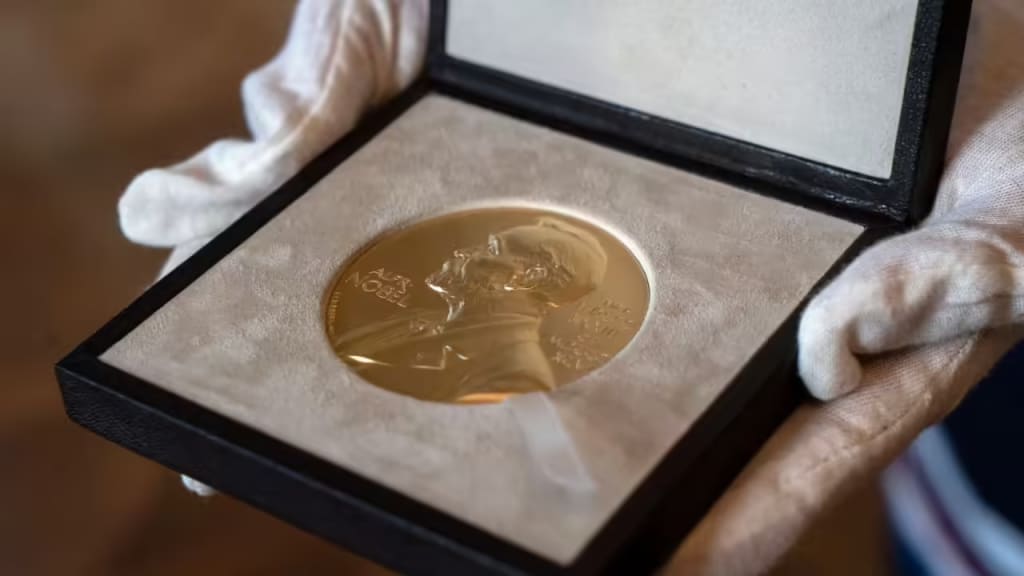
There are moments in life when a single announcement can make the world pause. The day the Nobel Prizes are revealed has that effect. People refresh news pages, whisper predictions, and wonder what kind of mind or story will be honored next. Even if we never step into a lab or write a line of research, the awards still reach something tender in us. They remind us of how small we are, yet how much one person’s work can matter. This feeling is hard to explain but easy to recognize. It sits somewhere between admiration and longing. The Nobel Prizes pull us toward the quiet hope that human effort still holds meaning. That hope is where this story begins.
Why the World Still Cares About Nobel Prizes
Many awards fade with time. The Nobel Prizes do not. Their staying power comes from a simple idea: they honor people whose work reshapes how we understand ourselves, our societies, and the world around us. Even in a culture filled with quick attention cycles, these prizes feel steady. They signal that serious work still has a place in public imagination.
The Nobel Prizes matter because they highlight stories that often stay hidden. Behind each medal is someone who spent years wrestling with doubt, failed experiments, or ideas that sounded impossible. The recognition pulls their long, quiet struggle into the light. People respond to that honesty. It makes the prizes feel less like distant celebrations and more like reminders that commitment still counts.
A Brief Look at How the Nobel Prizes Began
The story starts with Alfred Nobel, a man whose inventions shaped industries and whose conscience grew louder with age. When he read a harsh description of himself in a premature obituary, he felt the sting of public judgment. It made him reflect deeply on the kind of legacy he wanted to leave behind. His response was unexpected and bold: he set aside his fortune to honor people who work for the progress of humanity.
This decision created a tradition that has now lasted more than a century. Every year, committees look for individuals whose research, writing, or activism has created lasting value. The original categories remain the core: Physics, Chemistry, Physiology or Medicine, Literature, and Peace. Later, the economic sciences award was added through a donation from the Swedish central bank.
What Makes Winning So Difficult
The Nobel Prizes are known for their selectiveness. Each award recognizes contributions that withstand time, debate, and global scrutiny. Most nominees never learn they were considered. Many laureates spent decades pursuing ideas that once seemed strange or unimportant. This difficulty is part of what creates the emotional pull.
Years of Uncertainty
Many laureates describe long stretches where progress felt invisible. One researcher might spend ten years watching cells under a microscope, searching for a tiny pattern that could explain a disease. A writer may wrestle with a story for half a lifetime, unsure if anyone will even read it. An activist may face threats, exile, or imprisonment before the world finally listens.
The difficulty is not just technical. It is emotional. The Nobel Prizes often acknowledge people who kept going despite loneliness or doubt. Their courage becomes part of the achievement.
The Pressure of Scrutiny
Being chosen means facing a spotlight that can feel heavy. People question motives, past decisions, or political implications. Some laureates struggle with the sudden attention. Not everyone wants to be a public figure; some prefer the safety of their workrooms and laboratories. The Nobel Prizes can bring honor and strain at the same time.
The Gap Between Expectation and Impact
Winning does not guarantee that the world will adopt the work quickly. For example, discoveries in medicine sometimes take years before they become treatments. Peace prize winners often see slow progress in the causes they fight for. Still, the prize provides a platform that can help their work gain support.
The Humanity Inside Each Category
Although the categories seem academic, each one reveals a different side of the human story.
Physics: Understanding the Invisible
Behind every physics prize is a person who looked at nature and refused to accept simple explanations. Whether studying distant galaxies or tiny particles, their curiosity brings us closer to understanding how the universe works. For many readers, the details may be hard to follow, but the passion behind the discoveries remains relatable. It feels like watching someone chase a childhood question until it finally answers.
Chemistry: The Art of Breaking and Building
Chemistry laureates often reshape how we understand everyday life. Their work can touch medicine, technology, agriculture, and climate science. What makes their stories compelling is how something microscopic ends up influencing millions of people. They show that even the smallest changes in matter can shape entire societies.
Physiology or Medicine: Healing Through Patience
This prize often highlights breakthroughs that began with simple observations. A doctor watching a patient’s reaction, a scientist studying a cellular response, or a team investigating a rare disease. The stories of medical laureates often feel personal because illness is something every family has faced. Their work offers hope without promising miracles.
Literature: The Beauty of Language
The literature prize tends to create debate, but it also opens doors to voices many of us have never heard before. These writers capture human experience in a way that lingers. Whether they explore love, war, displacement, or memory, their words stay with readers long after the headlines fade.
Peace: Courage in the Face of Risk
The peace prize is often the most emotional. It honors people who choose kindness in situations where cruelty feels easier. Their stories involve sacrifice, fear, and resilience. Even when the world feels divided, these winners remind us that justice is still worth pursuing.
Economic Sciences: Understanding Human Choices
Although added later, this prize has its own emotional depth. It highlights researchers who study how people make decisions, spend resources, or respond to crises. Their work helps governments shape policy and helps societies understand the forces behind inequality, growth, and stability.
Moments That Changed Public Awareness
The Nobel Prizes have created global conversations. When a scientist is honored for discovering the cause of a disease, people take interest. When a writer is celebrated, readers search for their books. When a peace activist is recognized, a forgotten struggle gains attention.
For example, when a young activist wins the peace prize, it sparks conversations about education, safety, and power. When a researcher is honored for climate science, it pushes governments to take environmental concerns seriously. These moments create emotional connections between the public and the work itself. They also show how recognition can spark change even before policies shift.
The Emotional Impact of Recognition
Recognition affects people differently. For some laureates, the prize becomes a moment of relief. It validates years of doubt. For others, the moment feels surreal, as if the world suddenly sees what they have quietly known.
A Feeling of Shared Victory
When a laureate steps forward, it often feels like a win for everyone who supported them: families who waited through long work hours, mentors who believed in their potential, and communities that carried the weight of their ideas. The Nobel Prizes highlight these invisible networks.
A Reminder of Responsibility
Many laureates speak about feeling a deeper responsibility after winning. They understand that their voice now carries farther, and they want to use it carefully. The prize becomes not only recognition but also a call to continue.
How the Nobel Prizes Influence Future Generations
Young students, researchers, and writers often find inspiration in the stories behind the awards. They see ordinary people who chose to keep going. This can spark dreams in people who might otherwise feel overlooked.
The Nobel Prizes also highlight fields that need more attention. When climate research or genetic studies receive recognition, it encourages more people to pursue those areas. Not for fame, but because the work matters.
Sometimes the inspiration grows on a smaller scale. A child learns about a laureate who came from a similar background and begins to believe they can achieve something similar. Even if the dream shifts over time, the spark remains meaningful.
The Criticisms and Why They Matter
No tradition is perfect. The Nobel Prizes have faced criticism around politics, representation, and historical biases. These conversations are important. They push the committees to reflect and adapt. They also remind us that recognition systems evolve with social awareness.
Questions of Bias
Some argue that certain regions or groups receive more attention. Others believe that some fields dominate over others. These concerns help shape more thoughtful selection processes.
The Debate Around the Peace Prize
Because global conflicts are complex, no peace prize decision satisfies everyone. But the debate itself shows how deeply people care about fairness and justice.
The Influence of Time
Some work is recognized too late, long after the impact was felt. Other work is honored early, before its consequences are fully understood. This tension is natural, and it reflects how difficult it is to measure human contribution.
What the Nobel Prizes Teach Us About Persistence
The most powerful lesson behind the Nobel Prizes is not about fame. It is about persistence. Laureates often started small, chasing questions that felt personal, strange, or inconvenient. Many waited years for results. Some faced rejection, failure, or danger.
The prizes show that meaningful work rarely happens overnight. It grows slowly, shaped by curiosity and patience. This feels comforting in a world that often expects quick success. The Nobel Prizes remind us that slow progress is still progress.
Why Their Stories Still Matter Today
We live in a time where attention is scattered. Yet the Nobel Prizes continue to gather us around stories of determination. These stories matter because they show the best parts of human nature: curiosity, courage, generosity, and the willingness to question.
The world changes, but the longing for meaning does not. The Nobel Prizes touch that longing by showing what people can accomplish when they follow an idea to the very end.
A Gentle Invitation to Wonder
If the Nobel Prizes have taught us anything, it is that wonder is not childish. It is the beginning of discovery. Even if we never aim for awards, we can still learn from the spirit behind them. Curiosity can shape how we read, how we question, and how we understand the world.
You do not need a medal to contribute something meaningful. The Nobel Prizes simply remind us that dedication, kindness, and courage still matter. They show that one person’s work can ripple farther than they ever imagined.
And maybe that is why their announcement still makes the world pause. For a moment, we are reminded of what human beings can do when they follow their questions with patience and heart.
About the Creator
Muqadas khan
Hi! Welcome to my Vocal page. I’ll be sharing fresh articles every day covering stories, ideas, and a bit of inspiration to brighten your feed. Thanks for reading and supporting daily writing! 📖💫
Keep reading
More stories from Muqadas khan and writers in Education and other communities.
The Hidden Impact of School Cancellations on Families
School cancellations are more than just an unexpected day off. For many families, they bring a mix of relief, frustration, and worry. Parents scramble to rearrange schedules, children feel the sudden shift in routine, and the quiet hum of an empty school can feel both eerie and unsettling. Beyond the immediate inconvenience, these cancellations can ripple through academic progress, social development, and mental health. While some view them as a small pause in daily life, the effects are often deeper and more lasting. Understanding these impacts can help families, educators, and communities navigate the challenges school cancellations bring and find ways to cope more effectively.
By Muqadas khan2 months ago in Education
💦The Water Cycle💦
Water is one of the most essential substances on Earth. It covers over 70% of our planet’s surface and is crucial for all forms of life. But have you ever wondered how water moves continuously around the Earth? How rivers, oceans, clouds, and rain are all connected in a constant cycle? This amazing natural process is called the water cycle, and it ensures that life never runs dry.
By Talha khanabout 16 hours ago in Education
How GPS Tracking for Tools and Equipment Can Save Your Business
Tool theft is a growing problem for construction companies, contractors and tradespeople. At kynekt.id we provide best GPS tracking for tools and equipment, Whether it’s a jobsite break-in or equipment walking off during work hours, losing tools can cost thousands of dollars and delay projects. Fortunately, We offer a practical solution that’s becoming more affordable and easier to use every day.
By Kynekt Limited4 days ago in Education
Miss Persephone's Manual to a Seemingly Ordinary Life
Miss Persephone was found at the dining table, her blue eyes swollen, her tears arriving and retreating like the tides of the ocean. Earlier that day, her family had visited her in the retirement home where she had lived for eight years. It was her eightieth birthday.
By Imola Tóth3 days ago in Fiction


Comments
There are no comments for this story
Be the first to respond and start the conversation.