
The pros and cons of fast food
Reasons why people think that fast is good or bad.
Pros and Cons of Junk Food
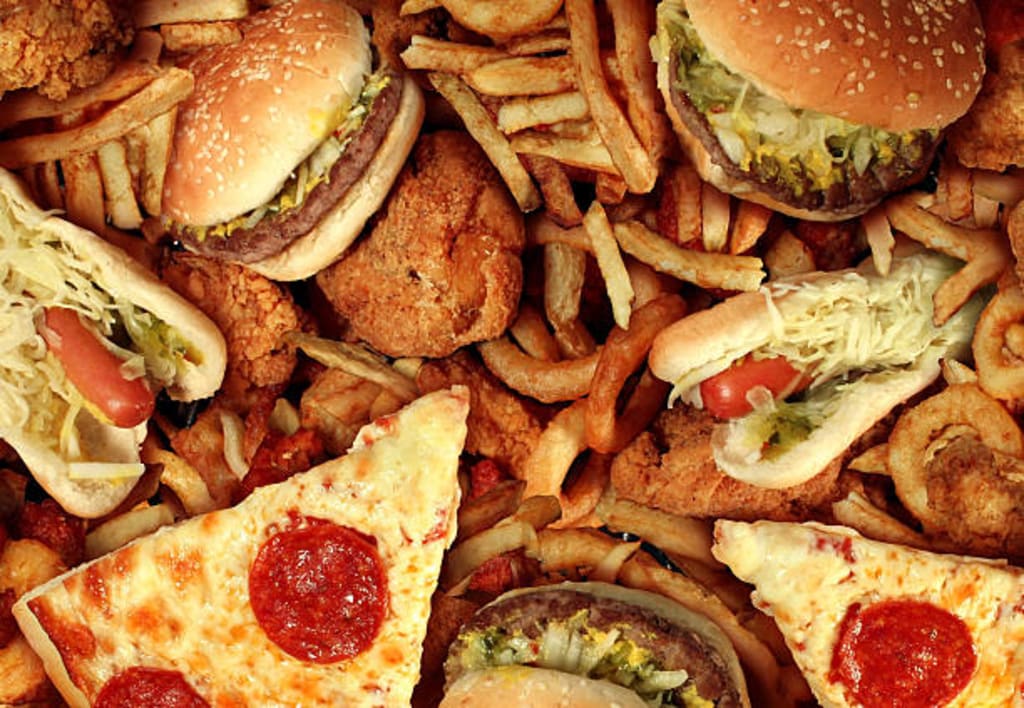
Junk food refers to food items that are high in calories but low in nutritional value. These foods are typically rich in sugar, salt, fat, and artificial additives. Common examples include burgers, pizzas, fries, chips, sugary beverages, and processed snacks. While junk food is widely criticized for its negative health effects, it remains a popular choice around the world due to its taste, affordability, and convenience. This essay aims to explore the pros and cons of junk food, helping readers understand its impact on health, lifestyle, and society.
⸻
Pros of Junk Food
1. Convenience and Accessibility
One of the main advantages of junk food is its convenience. Most junk food items are either pre-cooked or require minimal preparation, making them ideal for busy individuals who do not have the time to cook meals from scratch. Fast food restaurants and convenience stores offer a wide range of ready-to-eat meals, snacks, and drinks that can be consumed on the go.
2. Affordability
Junk food is often cheaper than healthier alternatives, especially in urban areas where fresh fruits, vegetables, and whole grains can be expensive. For people with limited budgets, particularly students and low-income families, junk food offers a cost-effective way to satisfy hunger.
3. Taste and Appeal
Junk food is designed to taste good. It often contains the perfect balance of salt, sugar, fat, and artificial flavorings to trigger pleasure centers in the brain. This makes junk food highly palatable and enjoyable, especially for children and teenagers. The vibrant packaging and strong advertising further add to its appeal.
4. Economic Contribution
The junk food industry contributes significantly to the economy by creating millions of jobs across food production, packaging, distribution, and sales. Fast food chains, snack manufacturers, and soft drink companies employ people at various levels, from factory workers to corporate professionals.
5. Cultural Influence and Social Bonding
In many places, eating junk food has become a social activity. Friends and families often gather at fast food outlets or enjoy snacks during movies, sports games, and parties. Junk food is also an integral part of modern pop culture, influencing everything from media to fashion.
⸻
Cons of Junk Food
1. Poor Nutritional Value
Junk food lacks essential nutrients like vitamins, minerals, fiber, and protein. Regular consumption can lead to deficiencies that affect growth, development, and overall well-being. Many junk foods contain empty calories—energy without any significant nutritional benefit.
2. Weight Gain and Obesity
Junk food is high in calories, sugar, and fat, all of which contribute to weight gain when consumed in excess. Obesity has become a global epidemic, and the rise in junk food consumption is a major contributor. Obesity increases the risk of several health issues, including diabetes, heart disease, and joint problems.
3. Chronic Health Issues
Frequent consumption of junk food is linked to numerous chronic conditions. High sodium levels can lead to hypertension, while excessive sugar intake contributes to insulin resistance and type 2 diabetes. Trans fats and processed oils used in many fast foods are harmful to heart health, raising cholesterol levels and increasing the risk of cardiovascular diseases.
4. Addiction and Cravings
Junk food can be addictive. The high levels of sugar and fat stimulate the brain’s reward system, similar to addictive drugs. Over time, people may crave junk food more often, leading to overeating and loss of control over dietary habits. This can also negatively impact mental health, causing guilt, anxiety, and depression.
5. Impact on Mental Health
Recent studies have shown a link between poor diet and mental health problems. Diets high in processed foods are associated with higher rates of depression, anxiety, and mood disorders. A lack of essential nutrients also affects brain function, concentration, and memory, particularly in children and adolescents.
6. Environmental Consequences
The production and packaging of junk food have serious environmental effects. The manufacturing process often involves intensive use of water, land, and energy. Additionally, plastic packaging and waste from fast food outlets contribute to pollution and harm ecosystems.
7. Targeted Marketing to Children
Junk food companies often target children through colorful ads, mascots, and toys. This not only influences children’s food choices but also develops unhealthy eating patterns from an early age. Childhood obesity and related illnesses are on the rise, partly due to the aggressive marketing of unhealthy foods.
⸻
Balanced Perspective
While junk food has many drawbacks, it’s important to acknowledge that moderation is key. Completely eliminating junk food may not be practical or necessary for everyone. Instead, a balanced diet that allows occasional indulgence can be both enjoyable and healthy. Educating people about nutritional content, encouraging healthier versions of favorite foods, and promoting physical activity can help mitigate the negative effects of junk food.
Governments, health organizations, and schools play a crucial role in promoting healthy eating habits. Food labeling, restricting junk food ads aimed at children, taxing sugary drinks, and improving access to fresh produce are just a few strategies that can help reduce junk food consumption.
⸻
Conclusion
Junk food, with its irresistible taste, affordability, and convenience, has firmly entrenched itself in modern lifestyles. While it offers certain economic and social benefits, its long-term impact on health is deeply concerning. From obesity and chronic diseases to environmental damage, the cons of junk food significantly outweigh its pros when consumed irresponsibly. That said, junk food is not inherently evil—when consumed occasionally and in moderation, it can be part of a balanced lifestyle.
The key lies in making informed choices, being aware of nutritional content, and not relying on junk food as a primary source of nutrition. Governments, communities, and individuals must work together to create a food environment that prioritizes health without compromising enjoyment. By striking a balance, we can enjoy the occasional treat without falling into the trap of unhealthy eating habits.
About the Creator
Keep reading
More stories from Simranjit Singh and writers in Education and other communities.
The health of students in institutes of higher education: an important and neglected public health problem?
Abstract Background A survey of students in three UK higher education establishments was undertaken to obtain information about students' physical and emotional well-being, their attitudes to, and beliefs about health, and the prevalence of risk factors for future ill health.
By Simranjit Singh8 months ago in Education
What to Eat (And Avoid) During Colon Cancer Treatment: A Nutritionist-Approved Guide
When undergoing colon cancer treatment, your diet is more important than ever. The right nutrition can support your immune system, reduce side effects, and even enhance the effectiveness of treatments like chemotherapy and radiation. But knowing what to eat and what to avoid can be overwhelming.
By Erika Phillips 6 days ago in Education
Surviving Cancer: Entering the Golden Alchemical Door to Teaching
It starts with love . . . Entering the Golden Door: Who Am I? Going through cancer treatments with chemo, a strange thing happened, for I started to forget things, even who I am because my wife ghosted me and my friends would have nothing to do with me. Without human contact, you forget what it means to be human. I am a professor at a university, but I forgot what I taught. . . .
By WILD WAYNE : The Dragon Kinga day ago in Education



Comments (1)
❤️❤️❤️