
The Power of Nutrition: Fueling a Healthy Life
Nutrition

The Power of Nutrition: Fueling a Healthy Life
In the age of convenience foods, busy schedules, and countless diet trends, it’s easy to overlook one of the most powerful tools we have for a healthy life—**nutrition**. Nutrition isn't just about eating to satisfy hunger; it’s about feeding our bodies with the essential fuel they need to function, heal, grow, and thrive.
When we talk about health, we often think about exercise, sleep, or regular checkups. But nutrition is the foundation of all of these. Without the right nutrients, the body can’t perform optimally—no matter how much you work out or how many hours of sleep you get.
What Is Nutrition, and Why Does It Matter?
Nutrition is the science of how food affects the body’s functioning. Everything we eat is broken down and used to build muscle, produce energy, support brain function, fight illness, and more. A well-balanced diet provides the essential nutrients our bodies need: carbohydrates, proteins, fats, vitamins, minerals, and water.
When we nourish our bodies properly, we experience more energy, better mental clarity, a stronger immune system, and a reduced risk of chronic diseases. On the other hand, poor nutrition can lead to fatigue, mood swings, poor concentration, and long-term health issues such as obesity, heart disease, diabetes, and certain cancers.
The Building Blocks of a Balanced Diet
A balanced diet isn’t about restriction or perfection—it’s about balance, variety, and moderation. Here are the core components of healthy nutrition:
1.Fruits and Vegetables
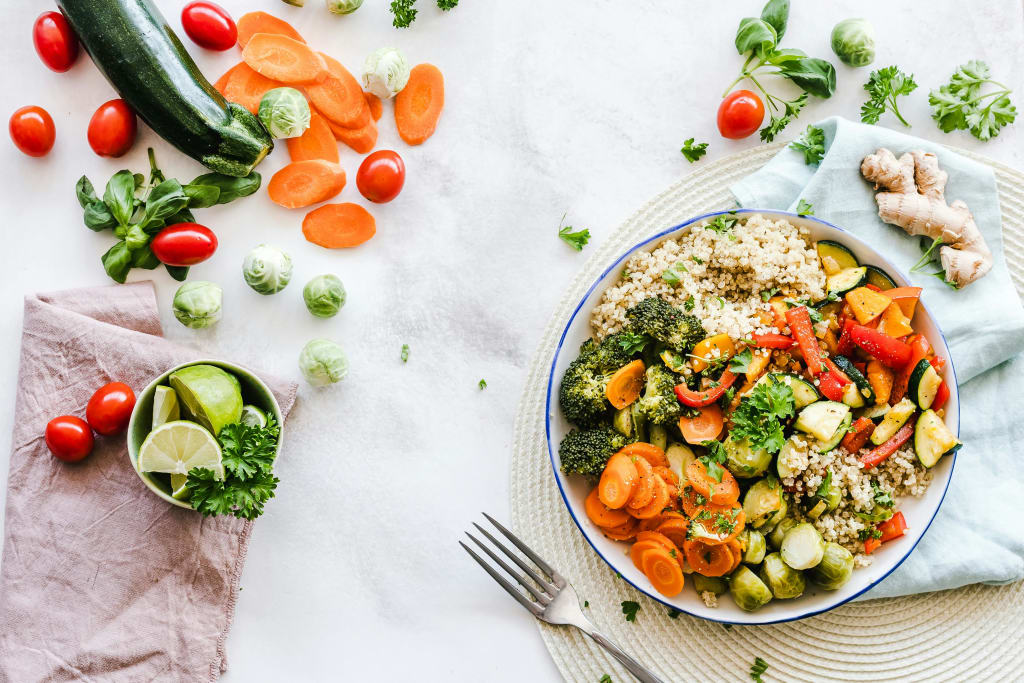
Packed with fiber, antioxidants, vitamins, and minerals, fruits and vegetables are vital for maintaining health and preventing disease. Aim to fill half your plate with a colorful variety of produce. Dark leafy greens, berries, oranges, carrots, and cruciferous vegetables like broccoli are excellent choices.
2. Whole Grains
Whole grains like brown rice, quinoa, oats, and whole wheat bread provide complex carbohydrates, fiber, and B vitamins. Unlike refined grains, whole grains help stabilize blood sugar, support digestion, and keep you full longer.
3. Lean Proteins
Protein is essential for muscle repair, hormone production, and immune function. Include a variety of lean protein sources such as fish, poultry, beans, lentils, tofu, eggs, and low-fat dairy. Plant-based proteins offer added fiber and are a great heart-healthy option.
4. Healthy Fats
Not all fats are created equal. While trans fats and excessive saturated fats can raise cholesterol and increase heart disease risk, healthy fats—like those found in avocados, nuts, seeds, and olive oil—support brain function, hormone production, and cell health.
5. Hydration
Water is often overlooked but is one of the most important elements of good nutrition. It aids digestion, regulates temperature, transports nutrients, and removes waste. Most adults should aim for at least 6–8 cups a day, more in hot weather or with physical activity.
Nutritional Pitfalls to Watch For
Modern diets often include hidden ingredients that can harm our health over time. Being aware of these can help you make better food choices.
Added Sugars: Found in sodas, desserts, and many packaged foods, excessive sugar can contribute to weight gain, inflammation, and type 2 diabetes. Try to limit added sugars and opt for natural sweeteners in moderation.
High Sodium: Too much salt can increase blood pressure and strain the heart. Many processed and fast foods are high in sodium—check labels and cook more meals at home to control salt intake.
Processed Foods: Often high in unhealthy fats, sugars, and preservatives, processed foods are convenient but should not make up the bulk of your diet. Aim for whole, minimally processed foods as much as possible.
Simple Tips for Improving Your Diet
Improving your nutrition doesn’t mean making drastic changes overnight. Small, sustainable shifts are more effective in the long run. Here are a few easy strategies:
Plan Ahead: Preparing meals and snacks in advance helps avoid impulsive, unhealthy choices.
Eat Mindfully: Slow down, chew your food, and pay attention to hunger cues. Eating while distracted often leads to overeating.
Balance Your Plate: At every meal, aim for a mix of carbohydrates, protein, and healthy fats. This keeps your energy stable and reduces cravings.
Read Labels: Learning to interpret nutrition labels can help you avoid unwanted additives and choose better options.
Listen to Your Body: Nutrition is personal. What works for one person may not work for another. Pay attention to how your body feels after eating and adjust accordingly.
Nutrition for Mental Health
What you eat doesn’t just affect your body—it affects your brain, too. Studies show that diets high in processed foods and sugar are linked to increased rates of anxiety and depression. On the other hand, diets rich in whole foods—especially leafy greens, fish, nuts, and berries—are associated with better mood and mental performance.
Conclusion: Make Nutrition a Lifestyle, Not a Diet
Nutrition isn’t about strict diets, temporary fixes, or guilt. It’s about nourishing your body with what it truly needs—consistently and intentionally. Every meal is a chance to make a positive choice for your health. Over time, those choices add up to more energy, better health, and a fuller life.
Start where you are. Swap one sugary snack for a piece of fruit. Try a new vegetable each week. Drink an extra glass of water today. These small steps are the beginning of a lifelong journey toward better health, powered by nutrition.
About the Creator
Azlan Qn
Passionate about promoting wellness and preventive care, I am dedicated to empowering individuals to lead healthier lives through education, balanced nutrition, regular physical activity, and mental well-being.
The Allure of Luxury Cosmetics in Modern Beauty and Self-Care
Luxury cosmetics have become a powerful symbol of quality, sophistication, and personal expression. Beyond enhancing appearance, these products represent craftsmanship, innovation, and an elevated beauty experience. From premium skincare and high-end makeup to exclusive fragrances, luxury cosmetics appeal to consumers who value performance, refined aesthetics, and emotional connection with beauty products.
By Bobby Yadavabout 17 hours ago in Education


Comments
There are no comments for this story
Be the first to respond and start the conversation.