
Understanding Hypertension: Causes, Symptoms, and Prevention
Hypertension

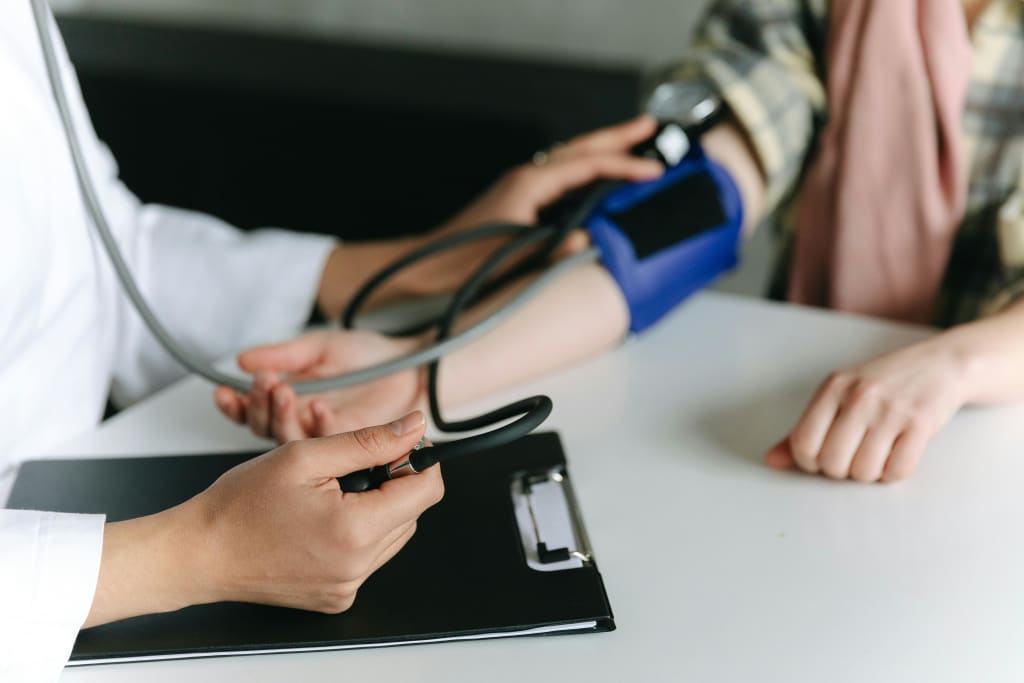
Understanding Hypertension: Causes, Symptoms, and Prevention
Hypertension, commonly known as high blood pressure, is one of the most prevalent chronic conditions affecting people worldwide. Often referred to as the “silent killer,” it can go unnoticed for years while quietly damaging vital organs like the heart, brain, and kidneys. According to the World Health Organization (WHO), over 1.2 billion people globally live with hypertension, and the number continues to rise.
Understanding what hypertension is, recognizing its causes and symptoms, and learning how to prevent it are crucial steps toward protecting long-term health and reducing the risk of life-threatening complications.
What Is Hypertension?
Blood pressure is the force exerted by circulating blood against the walls of the arteries. It is measured using two values:
Systolic pressure (the top number): pressure when the heart beats.
Diastolic pressure (the bottom number): pressure when the heart rests between beats.
Normal blood pressure is generally considered to be less than 120/80 mmHg. Hypertension is diagnosed when blood pressure consistently measures 140/90 mmHg or higher.
There are two main types of hypertension:
Primary (essential) hypertension: The most common type, with no identifiable cause. It tends to develop gradually over many years.
Secondary hypertension:Caused by an underlying condition such as kidney disease, hormone disorders, or certain medications. It often appears suddenly and can be more severe.
Causes and Risk Factors
While the exact cause of primary hypertension is often unknown, several factors increase the risk of developing the condition:
1. Age
The risk of hypertension increases with age as blood vessels gradually lose elasticity.
2. Family History
Genetics can play a role. If hypertension runs in your family, your risk may be higher.
3. Unhealthy Diet
Diets high in salt (sodium), saturated fats, and processed foods can raise blood pressure.
4. Physical Inactivity
A sedentary lifestyle contributes to weight gain and poor cardiovascular health.
5. Obesity
Excess body weight increases the strain on the heart and blood vessels.
6. Smoking and Alcohol Consumption
Smoking narrows blood vessels and increases pressure. Excessive alcohol intake can also raise blood pressure.
7. Chronic Stress
Ongoing stress can contribute to temporary spikes in blood pressure and unhealthy coping behaviors like overeating or smoking.
8. Medical Conditions
Conditions like diabetes, kidney disease, and sleep apnea can increase the risk of secondary hypertension.
Symptoms of Hypertension
One of the most dangerous aspects of hypertension is that it often has no noticeable symptoms until significant damage has occurred. This is why regular monitoring is so important.
However, in some cases, people with very high blood pressure may experience:
Headaches
Dizziness
Blurred vision
Chest pain
Shortness of breath
Nosebleeds
If blood pressure rises to a critical level, known as hypertensive crisis, it can lead to serious complications such as stroke, heart attack, or kidney failure.
Complications of Uncontrolled Hypertension
If left untreated, high blood pressure can damage vital organs and lead to:
Heart disease(including heart failure, heart attack, and enlarged heart)
Stroke
Kidney damage or failure
Vision loss due to damage to the blood vessels in the eyes
Cognitive issues, including memory loss and dementia
The good news is that hypertension is both preventable and manageable with lifestyle changes and, when necessary, medication.
Prevention and Management
Taking proactive steps to manage your blood pressure can greatly reduce your risk of complications. Here’s how:
1. Eat a Heart-Healthy Diet
Follow the DASH (Dietary Approaches to Stop Hypertension) diet, which emphasizes fruits, vegetables, whole grains, lean proteins, and low-fat dairy.
Limit salt intake to less than 2,300 mg per day (ideally 1,500 mg for most adults).
Reduce intake of saturated fats, sugar, and processed foods.
2. Exercise Regularly
Aim for at least 150 minutes of moderate-intensity exercise** per week (e.g., brisk walking, cycling, swimming).
Regular activity strengthens the heart and improves circulation.
3. Maintain a Healthy Weight
Losing even a small amount of weight can help reduce blood pressure.
A healthy body mass index (BMI) is typically between 18.5 and 24.9.
4. Limit Alcohol and Avoid Tobacco
Drink alcohol in moderation: up to one drink per day for women and two for men.
Quit smoking to improve blood vessel health and lower your risk of cardiovascular disease.
5. Manage Stress
Practice relaxation techniques such as meditation, yoga, deep breathing, or spending time in nature.
Consider talking to a mental health professional if chronic stress is affecting your well-being.
6. Monitor Blood Pressure at Home
Regular monitoring helps track progress and detect early signs of high blood pressure.
Keep a log and share it with your healthcare provider.
7. Follow Medical Advice
If prescribed, take blood pressure medications as directed.
Attend regular check-ups and screenings to keep your condition under control.
Conclusion
Hypertension is a global health concern with serious consequences, but it is neither inevitable nor untreatable. Understanding the causes and risk factors, recognizing the often silent nature of the disease, and taking preventive measures can significantly reduce the risk of complications. By adopting a healthier lifestyle and seeking regular medical care, individuals can take charge of their blood pressure and protect their long-term health.
Knowledge, awareness, and action are the keys to keeping your heart—and your life—safe from the silent danger of high blood pressure.
About the Creator
Azlan Qn
Passionate about promoting wellness and preventive care, I am dedicated to empowering individuals to lead healthier lives through education, balanced nutrition, regular physical activity, and mental well-being.
The Red Renaissance Uncorking the Future of Russian Wine in 2026
For decades, the global wine map was a predictable atlas of French Chateaus, Italian vineyards, and New World giants. However, as we move through 2026, a new and unexpected frontier has firmly established its presence: Russia. The Russian wine industry is currently undergoing a "Grand Renaissance," fueled by a combination of aggressive state support, massive private investment, and a geopolitical shift that has turned the domestic market inward. What was once seen as a secondary player, primarily known for mass-produced sparkling wines, has transformed into a sophisticated producer of premium, terroir-driven still wines that are winning over a new generation of health-conscious and patriotic consumers.
By Neeraj kumar4 days ago in Education
Cabin Fever Because of Snow, Sleet, and Freezing Rain That Turned to Icy Roads
What Is Cabin Fever? The short answer is that cabin fever is restlessness from being in a confined area. Cabin fever is the distressing irritability or restlessness experienced when a person or group is stuck at an isolated location or in confined quarters for an extended time. Research shows that prolonged cold, gray skies, and being stuck indoors can trigger mood shifts similar to “winter blues.”
By Margaret Minnicks2 days ago in Humans




Comments
There are no comments for this story
Be the first to respond and start the conversation.