
The Myth of Sustainable Fashion - Guide
A Complete Guide

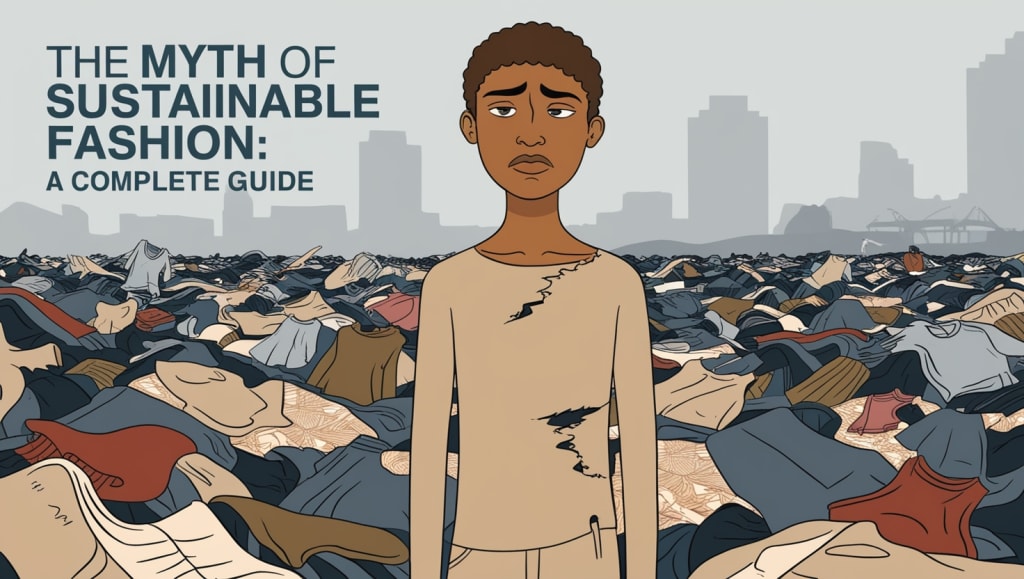
The term sustainable fashion has become popular and changes the way we think about the clothes we wear and buy. Sustainable fashion sounds like a good idea on paper: we get stylish, environmentally-friendly clothes while also doing less harm to the world. But is this really the case in real life? This guide looks into the many facets and contradictions of sustainable fashion, looking at whether it's really true or just a well-marketed lie.
In what ways does sustainable fashion work?
What does sustainable fashion really mean? It means clothes that are made, sold, and worn in ways that are good for the world and people. Sustainable fashion tries to keep the bad effects of production to a minimum while encouraging fair work and the use of materials that are good for the environment.
Ethical fashion brands say they care about the environment by using organic materials, cutting down on waste, and making sure workers are paid fairly. But is this enough to make up for the huge damage the fashion business does to the environment?
How does the fast fashion industry affect the environment?
One of the biggest things that has hurt the earth is fast fashion. Big fashion brands put out new styles all the time, which encourages people to buy, wear, and then throw away clothes. The environmental damage caused by fast fashion is huge: every year, millions of tons of textiles are thrown away, polluting rivers and filling up landfills.
Because fast fashion is made so quickly, costs are cut in other ways. A lot of people use cheap synthetic materials like polyester, which comes from petroleum. It takes hundreds of years for these fabrics to break down, which causes long-term problems for the earth. On top of that, fast fashion makes people buy too much, which makes the situation worse.
Key Environmental Concerns About Fast Fashion
- Water Consumption: One cotton shirt requires over 2,700 liters of water.
- Carbon Emissions: Fashion industry contributes 10% of global carbon emissions annually, surpassing international flights and ships.
- Making Waste: 85% of textiles end up in landfills annually, escalating trash issues.
The Myth of Eco-Friendly Fashion
Experts argue that fashion and sustainability are nearly impossible to achieve due to greenwashing, where companies claim to be eco-friendly but fail to make significant changes in their production methods. While some brands advertise sustainable collections using organic cotton or recycled polyester, pollution and higher prices often hinder their sustainability. This makes sustainable fashion unattainable for many consumers, making it a challenging concept to achieve.
Are garment failures increasing?
The rise in failed garments in both fast fashion and sustainable fashion industries is a significant issue. Fast fashion has led to a decrease in quality as clothing is designed to last only a few washes before wearing down increasing the need for frequent replacements. Sustainable fashion, on the other hand, may not always result in better quality or longer wear due to the use of natural fibers, which can cause faster wear n tear if not treated properly.
Ethical Fashion: A Dream or a Way to Live?
Ethical fashion brands stress fair labor, long-term sources, and production methods that are good for the environment. Even though these are good values, it's still not clear if ethical fashion can really help with such a big problem.
Ethical fashion brands usually only make a certain number of items at a time, which lowers their overall effect on textile waste around the world. These smaller runs, on the other hand, cost more, making them harder for the average customer to get. Ethical fashion is still seen as a luxury by many and not as a way to fix the problems caused by fast fashion.
Finding a balance between fashion and the environment
- Buy Less, Choose Well: Avoid trendy styles and opt for durable pieces.
- Embrace Secondhand: Shop at thrift stores, clothing swaps and vintage markets for unique items and waste reduction.
- Support Small and Local Businesses: Choose sustainable brands that produce on-demand items using eco-friendly materials.
- Repair and Recycle: Use old clothes for new creations instead of discarding them.
The Role of Custom Packaging in Sustainability
A lot of sustainable fashion brands focus on making clothes that are good for the environment, but packing is often forgotten. Plastic and other common types of packaging are bad for the earth and add to the growing problem of trash around the world.
If a brand wants to be more eco-friendly, they can use custom clothing boxes made from recycled materials or packaging that breaks down naturally. With the rise of custom apparel packaging, brands can make sure that their package choices are in line with their values. This way, even the boxes themselves help make the future greener.
Where Does Fashion Go From Here?
As people become more aware of the environmental and ethical concerns associated with fashion, they will increasingly desire sustainable clothes. However, achieving sustainable fashion requires significant changes in both production and consumer behavior. The environmental impact of fast fashion requires a collective effort from both individuals and businesses, focusing on waste reduction, higher-quality goods, and ethical business practices.
FAQs
What does sustainable clothing mean?
Sustainable clothing is made from materials that don't harm the environment too much and is made in ways that care about both the environment and fair work standards. Using organic materials, reusing fabrics and making sure workers get paid fairly are all common ways to do this.
Is garment failure going up?
Yes, garment failure is going up, especially in fast fashion, where cheap materials and production methods make clothes that get worn out quickly. Sustainable fashion tries to make clothes that last longer.
Why is fast fashion bad for the earth?
Fast fashion is bad because it leads to too much production and too much spending. Polyester, a cheap material that comes from fossil fuels and doesn't break down is used in this business. This adds to waste and pollution. High carbon pollution and water use make the environmental effects of fast fashion even worse.
Conclusion
Sustainable fashion is a concept that aims to improve society and the environment but the industry still has a long way to go. Some sustainable and fast fashion brands contribute to pollution and waste issues. To truly promote sustainability, we must change our purchasing habits, support environmentally friendly brands, and prioritize quality over quantity. Both the fashion industry and consumers must make changes to become more environmentally friendly. While sustainable fashion may seem appealing, it's important to recognize that eco-friendly clothing isn't the only solution. It's clear that fashion and ecology must go together in the future. Every step you take toward sustainability is a good one, whether it's cutting down on waste, picking eco-friendly packaging like eco-freindly garment packaging boxes, or supporting fair labor practices.
About the Creator
Julia Smith
Hey, I’m Julia Smith! I’m a passionate business content writer with expertise in creating engaging, SEO-optimized content. I specialize in crafting impactful narratives that help brands grow and connect.
Keep reading
More stories from Julia Smith and writers in Education and other communities.
What is the significance of hangtags for clothing brands?
First impressions matter, especially in the world of fashion. A well-designed hangtag can make all the difference in capturing the attention of potential customers and conveying the essence of your clothing brand." Fashion industry is competitive and challenging. Every brand is striving to make impressions on customers. Thus there is a need of creative ideas to grab the attention of customers. And if you want to attract thousands of eyeballs towards your brand. Then you must think about hang tags. Also, it's a smart way to instruct customers. Pay attention to the precise content. Let's discuss What is the significance of hangtags for clothing brands?
By Julia Smith3 years ago in Education
How Do Server Storage Support Virtualization and Big Data Needs
Data keeps growing every single day. Businesses are creating and saving more files than ever before. According to a global data report, around 221 zettabytes of data are expected to be generated in 2026.
By Jessica Stephenabout 4 hours ago in Education




Comments
There are no comments for this story
Be the first to respond and start the conversation.