
The Mystery of The Yde Girl
The story of the Yde girl

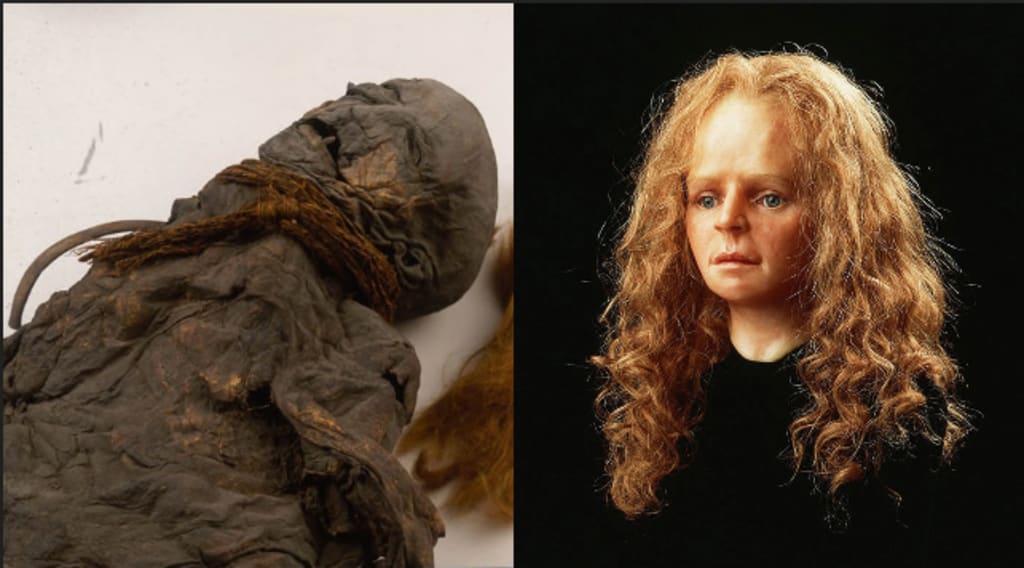
In the Dutch village of Yde on May 12, 1897, two workers who were excavating peat from a bog called Stijfveen were startled by a terrifying sight that they believed to be the devil. Suddenly appearing from below the surface, they encountered a disfigured and charred body with fiery-colored hair that caused them to flee in fear.
This body, which is now referred to as the Yde Girl, had been naturally preserved for two millennia.
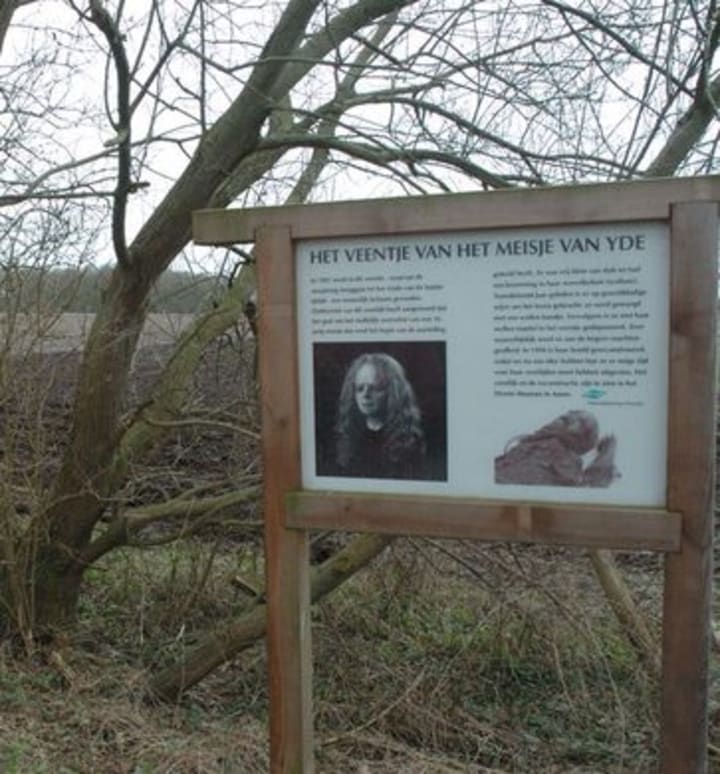
Hours after their terrifying encounter, the frightened laborers returned to the bog and used the peat they had been excavating to conceal the body from sight. It has been reported that the peat cutting tools caused severe damage to the Yde girl's body.
The Yde Girl's body showed signs of violence, including a slip-knotted rope around her neck and a stab wound near her collarbone, indicating that she had been killed. She was also missing much of her hair and teeth when the village mayor discovered her remains nine days later, which included a severed foot, hand, and partial pelvis. The mayor collected her remains and turned them over to officials at the Drents Museum for investigation.
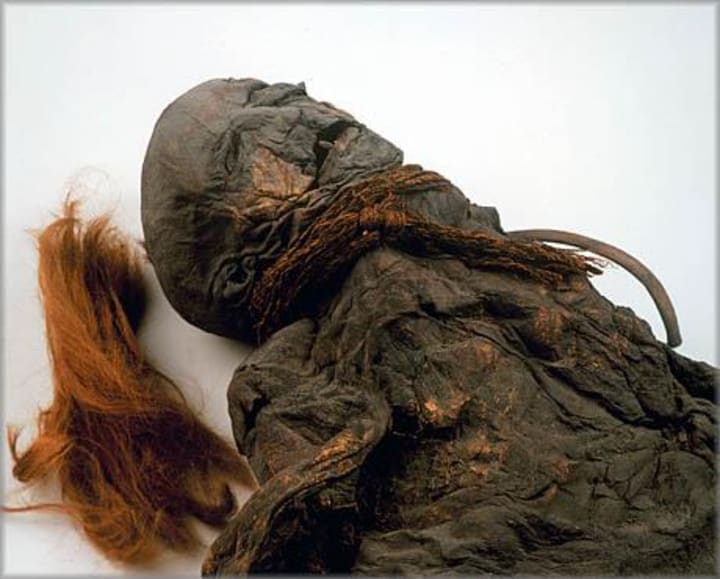
Although it took a hundred years to uncover the truth, experts eventually determined that the Yde Girl was a 16-year-old who had died between 54 B.C. and 128 A.D. The circumstances of her death remain a topic of debate, but her remains revealed that she suffered from a severe case of scoliosis and stood at just four and a half feet tall, leading some to speculate that she may have been a victim of ritual child sacrifice.
The Yde Girl's History
Unbeknownst to the peat cutters who accidentally uncovered the remains of the Yde girl, they had no idea that their macabre finding would eventually become a matter of historical significance.
By May 21, 1897, village and museum officials had taken possession of the body. However, the Yde girl's identity remained a mystery, even though the body exhibited disturbing evidence of a violent death, including a noose wrapped tightly around the neck three times, a ghastly expression on the face, and numerous severed limbs. Additionally, half of her hair had been shorn off, and her teeth were missing.

Unfortunately, at the time, there was no way to determine the age of the Yde girl as radiocarbon dating had not yet been developed. Although her hair suggested that she was female, it was only through modern analysis of her skull that her gender was confirmed. Despite the enigmatic nature of the body, it was put on display at Drents without any further study.
In 1992, Professor Richard Neave from Manchester University conducted CT scans of the Yde girl's skull, which provided significant information about her. The scans revealed that she was female and estimated to be around 16 years old, based on the absence of wisdom teeth. Additionally, the scans identified scoliosis, a debilitating curvature of the spine, and an abnormally swollen right foot, suggesting that she had a limp.
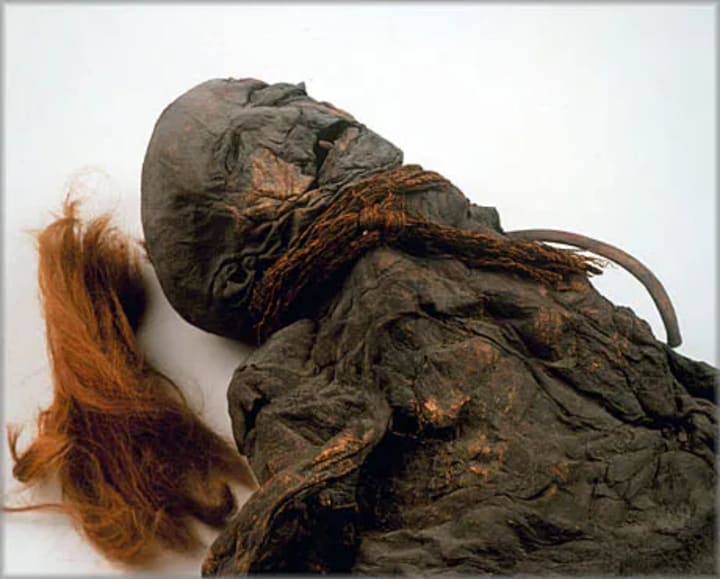
Radiocarbon dating revealed that the Yde girl died around the turn of the Common Era and had been preserved by the bog's tannic acid. In 1994, experts reconstructed her face, and she gained international fame. However, the reasons behind her killing remained uncertain. Dr. Roy van Beek of Wageningen University has ventured some theories, including two that have been reported.
The first theory suggests that bog bodies like the Yde girl were convicted criminals or individuals found guilty of adultery who did not live according to customary rules. The second, more widely accepted theory, suggests that the killings were part of a ritual sacrifice dedicated to a higher power.
About the Creator
Rare Stories
Our goal is to give you stories that will have you hooked.
This is an extension of the Quora space: Rare Stories
X(formerly Twitter): Scarce Stories
Writers:
....xoxo
Keep reading
More stories from Rare Stories and writers in Education and other communities.
The Judas Cradle: The Torture Method That Haunts History
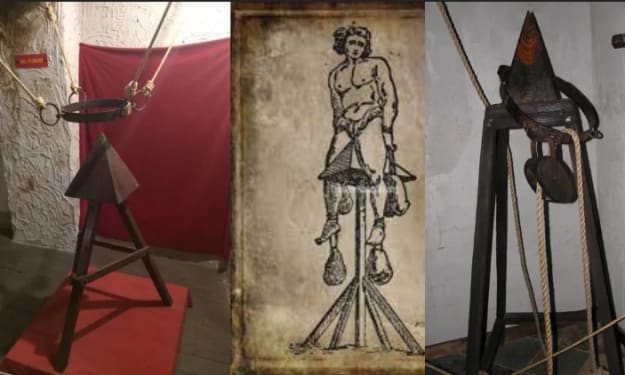
The inquisitors of history utilized an array of cruel and infamous torture methods to punish those who were believed to have sinned. Some of these methods include the rack, the wheel, and water torture. However, one torture method that is lesser known but was favored by the Spanish is the Judas Cradle, which was ironically considered to be one of the most humane methods.
By Rare Stories3 years ago in Education
Image-to-text technology, also known as Optical Character
Image-to-text technology, also known as Optical Character Recognition (OCR), has transformed the way we interact with visual information. It allows machines to extract text from images, enabling various applications across multiple industries. From digitizing printed documents to reading text from scanned images, OCR plays a vital role in making printed content accessible, editable, and searchable. The need for such technology has grown exponentially with the increasing reliance on digital data and the rapid shift from physical to digital content in nearly all sectors of life. As the digital world continues to expand, image-to-text technology has paved the way for more seamless workflows, enabling businesses and individuals alike to save time, effort, and resources.
By Alexander Jackson7 days ago in Education



Comments
There are no comments for this story
Be the first to respond and start the conversation.