
The Memory-Identity Connection:Unlocking the Power of the Past
Exploring the Profound Impact of Memories on Our Sense of Self

Memory and identity are intricately linked, with memories playing a vital role in shaping our sense of self. Our experiences, emotions, and relationships are all influenced by memory, which in turn forms the foundation of our identity.
_Self-Narrative: The Power of Personal Story_
Our memories shape our personal story, which is the narrative we tell ourselves about who we are, where we come from, and what we've experienced. This self-narrative is constantly evolving, as new memories are formed and old ones are revisited or reinterpreted. Our personal story influences our sense of identity, self-esteem, and purpose. Research has shown that individuals with a strong sense of self-narrative tend to have better mental health and well-being.
_Emotional Connections: The Role of Memories in Emotional Intelligence_
Memories are emotional experiences that evoke feelings and sensations. These emotional connections influence our emotional intelligence, attachment styles, and relationships. Memories of joy, love, and triumph can strengthen our sense of self, while memories of trauma, loss, or pain can impact our mental well-being. Studies have demonstrated that emotional memories can be particularly vivid and enduring.
_Personality Development: How Memories Shape Our Traits and Values_
Memories contribute to the formation of our personality traits, values, and beliefs. Our experiences, successes, and failures shape our worldview, influencing how we approach challenges and interact with others. Memories of overcoming obstacles can foster resilience, while memories of failure can lead to growth and learning. Research has shown that individuals who reflect on their memories and experiences tend to develop a stronger sense of purpose and direction.
_Social Connections: The Impact of Shared Memories on Belonging_
Shared memories strengthen social bonds and influence our sense of belonging. Communal experiences, traditions, and cultural heritage are all rooted in shared memories, which shape our identity and connection to others. Studies have demonstrated that shared memories can foster empathy, cooperation, and group cohesion.
_Memory Distortion: The Effects of Inaccurate Memories_
Inaccurate or distorted memories can lead to a distorted sense of self. Misremembered events or experiences can alter our self-narrative, influencing our identity and relationships. Research has shown that memory distortion can occur due to various factors, including emotions, biases, and social pressures.
_Identity Fragmentation: The Consequences of Manipulated Memories_
Manipulated memories can create conflicting identities or fragmented self-concepts. Altered memories can lead to confusion, self-doubt, and emotional turmoil. Studies have demonstrated that individuals who experience identity fragmentation may struggle with mental health issues, such as anxiety and depression.
_Emotional Turmoil: The Impact of Altered Memories_
Altered memories can evoke intense emotions, affecting mental well-being. Memories of trauma or loss can resurface, leading to emotional distress. Research has shown that emotional regulation strategies, such as mindfulness and self-compassion, can help mitigate the impact of altered memories.
_Memory Retrieval: The Process of Recalling Memories_
The process of recalling memories involves reconstructing past experiences from fragments of information. This process can be influenced by emotions, biases, and social pressures. Research has shown that memory retrieval can be improved through techniques such as mindfulness, visualization, and journaling.
_Memory Suppression: The Effects of Suppressing Memories_
Suppressing memories can impact identity and emotional well-being. Unaddressed memories can resurface, leading to emotional distress. Studies have demonstrated that memory suppression can lead to increased stress, anxiety, and depression.
_Memory Reconstruction: The Process of Reinterpreting Memories_
Reinterpreting memories involves reevaluating past experiences in light of new information or perspectives. This process can lead to personal growth, self-awareness, and identity evolution. Research has shown that memory reconstruction can foster resilience, self-acceptance, and emotional intelligence.
In conclusion, the memory-identity connection is a complex and dynamic relationship that shapes our sense of self. By understanding the power of memories in forming our identity, we can unlock the past and transform our lives. Through self-reflection, emotional regulation, and memory reconstruction, we can cultivate a stronger sense of self and well-being.
About the Creator
Balkis Mikail
"I'm Balkis, a writer with a passion for storytelling and learning. I enjoy reading, traveling, and exploring new ideas. With a curious and open-minded approach, I craft compelling stories that spark meaningful conversations."
Keep reading
More stories from Balkis Mikail and writers in Education and other communities.
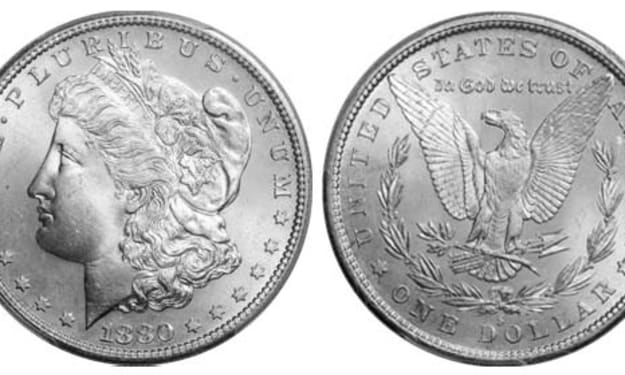
Morgan Silver Dollars: A Beginner's Guide to Identifying Key Dates and Mint Marks
For over eight years as a Senior Numismatic Analyst, I've seen the glint in a new collector's eye when they hold their first Morgan Silver Dollar. It's a powerful feeling—the weight of 90% pure silver, the history in Lady Liberty's profile, the sheer size of America's most iconic coin. Yet, with hundreds of millions minted across 27 years and five mints, it's easy to feel overwhelmed. A common 1921 Morgan might be worth $50, while a pristine 1895 Proof commands over $100,000. The difference lies in the tiny details of dates and mint marks. This guide will give you the foundational map to navigate this classic series, turning confusion into confident identification.
By Laura Bennett3 days ago in Education
How Hospital Systems Can Support Physician-Led Philanthropy for Stronger Care
Hospitals today face growing pressure. Costs rise, patient needs evolve, and staff feel stretched. At the same time, many physicians want to give back beyond their daily clinical work. They want to support patients, fund research, and improve community health. This is where physician-led philanthropy in hospital systems becomes essential. When doctors lead giving efforts, donations align closely with real patient needs. Hospital systems play a key role in making this work successful. Physicians see gaps in care every day. They understand where support is missing. When hospitals support their efforts, philanthropy becomes more focused, trusted, and effective. Strong systems help turn good intentions into lasting impact.
By Dr. Seth Eidemiller5 days ago in Education



Comments (1)
This will be useful for many patients. It will be beneficial for them.