
The Mausoleum at Halicarnassus: A Grand Tomb for Mausolus
A grand Tomb for Mausolus

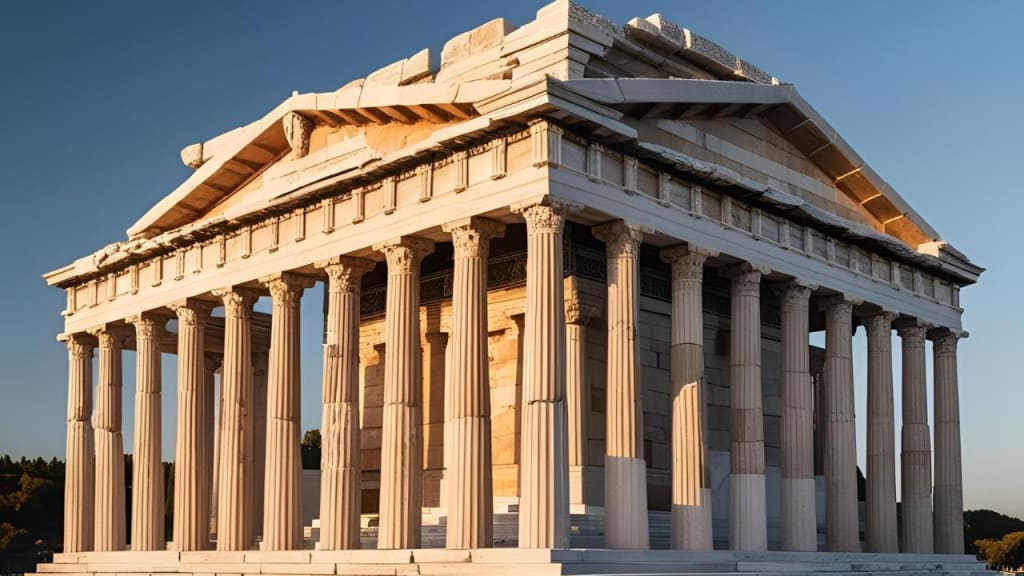
The Mausoleum at Halicarnassus: A Grand Tomb for Mausolus
Introduction
The Mausoleum at Halicarnassus, one of the Seven Wonders of the Ancient World, stood as an extraordinary symbol of architectural brilliance and artistic grandeur. Located in present-day Bodrum, Turkey, this monumental tomb was constructed for Mausolus, a satrap (governor) of the Persian Empire, and his wife (and sister) Artemisia II. It became so famous that the word "mausoleum" has since been used to describe grand tombs worldwide. This article explores the historical context, architectural magnificence, artistic influence, and the enduring legacy of the Mausoleum at Halicarnassus.
Historical Context
Mausolus and Artemisia II
Mausolus ruled the Persian satrapy of Caria from 377 to 353 BCE. He was a powerful and ambitious leader who, despite being under the Persian Empire, acted with considerable autonomy. He moved the capital of Caria to Halicarnassus, modern-day Bodrum, and transformed it into a flourishing city adorned with Greek and Persian influences. His wife, Artemisia II, shared his vision and played a crucial role in continuing his legacy after his death.
The Construction of the Mausoleum
When Mausolus died in 353 BCE, Artemisia II commissioned the construction of an extraordinary tomb in his honor. She employed some of the most skilled Greek architects and sculptors of the time, including Satyros and Pythius of Priene. The project brought together master artists like Scopas, Bryaxis, Timotheus, and Leochares, who contributed sculptures that adorned the structure. The tomb was completed around 350 BCE, even after Artemisia’s death, as the artisans continued their work out of respect for the legacy of the rulers.
Architectural Brilliance
The Mausoleum at Halicarnassus was an architectural marvel that blended Greek, Egyptian, and Lycian styles. Standing approximately 45 meters (148 feet) high, it was one of the tallest structures of its time. The structure consisted of three main sections:
1. The Base
The foundation of the Mausoleum was a massive rectangular podium, around 38 by 32 meters, made of white marble. It served as the platform upon which the grand structure rested. The podium was richly adorned with sculptural friezes that depicted scenes of battles, mythology, and heroic figures.
2. The Middle Section (Colonnade)
Above the base, a series of 36 Ionic columns encircled the tomb, forming a peristyle. These columns supported the upper structure and were a characteristic feature of Greek temples. Between the columns, statues were strategically placed to enhance the artistic appeal.
3. The Pyramidal Roof and Quadriga
The crowning feature of the Mausoleum was a 24-step pyramidal roof that led to a magnificent sculpture of a four-horse chariot, or quadriga, in which Mausolus and Artemisia were depicted as gods. This roof, a nod to Egyptian pyramids, added grandeur and significance to the tomb, symbolizing Mausolus’ elevation to divine status.
Artistic Masterpieces
The Mausoleum was not just a tomb; it was a gallery of some of the finest sculptures of the ancient world. The most notable works included:
1. The Friezes
Intricate friezes adorned the base, illustrating scenes of Greek mythology and legendary battles, including the Amazonomachy (battle between the Greeks and the Amazons). These sculptures reflected the artistic genius of the craftsmen and their ability to capture motion and emotion in stone.
2. Colossal Statues
Massive statues of Mausolus and Artemisia stood prominently, showcasing their regal presence. These statues were carved with remarkable precision, highlighting their royal attire, facial features, and majestic postures.
3. The Quadriga
The chariot sculpture at the pinnacle symbolized power and divinity. Made of marble and possibly gilded, this sculpture was a defining feature of the Mausoleum, reinforcing the idea of Mausolus ascending to the realm of the gods.
Cultural and Historical Impact
Cultural and historical impact refers to the lasting effects that historical events, movements, and cultural expressions have on societies and future generations. These impacts shape identities, influence traditions, and alter the course of history. From ancient civilizations to modern global cultures, history and culture are deeply intertwined, forming the foundation of human civilization.
The Role of History in Shaping Culture
History plays a crucial role in shaping cultural identity. Major historical events such as wars, revolutions, and social movements redefine societies and leave lasting imprints on cultural practices. For example, the Renaissance, a cultural movement in Europe between the 14th and 17th centuries, revived interest in art, science, and literature, influencing Western civilization profoundly. Similarly, colonialism spread languages, traditions, and governance structures across continents, permanently altering the cultural landscapes of many regions.
Wars and conflicts also have significant cultural consequences. World War II, for instance, not only redrew geopolitical boundaries but also led to the spread of ideologies like democracy and socialism. In contrast, the Cold War influenced art, film, and literature, leading to themes of espionage, dystopian futures, and political intrigue in cultural expressions.
Cultural Impact on Society
Culture influences societal values, norms, and practices. The way people dress, eat, communicate, and celebrate traditions is deeply rooted in their cultural heritage. Music, art, literature, and film serve as powerful mediums that preserve and spread cultural values. The Harlem Renaissance in the 1920s and 1930s, for example, was a cultural explosion of African American art, literature, and music that had a lasting impact on racial identity and social progress in the United States.
Globalization has further intensified cultural exchange. The spread of Hollywood films, K-pop music, and fast food chains like McDonald's shows how cultures can influence and adapt to each other. However, this has also led to concerns about cultural homogenization, where unique traditions may be lost in favor of dominant global cultures.
The Historical Impact of Social Movements
Social movements throughout history have had profound cultural and historical impacts. The civil rights movement in the United States changed laws and social attitudes toward race and equality, influencing similar movements worldwide. The feminist movement has reshaped gender roles and workplace dynamics, promoting equal rights and opportunities for women.
In more recent history, the digital revolution and social media have transformed cultural expression and historical documentation. Activism has moved online, with global movements like #MeToo and Black Lives Matter using digital platforms to spread awareness and create change.
The Legacy of the Term "Mausoleum"
The term "mausoleum" originates from this tomb and has since been used to describe grand and monumental burial sites worldwide. This lasting linguistic legacy is a testament to the significance of the structure.
Decline and Destruction
Despite its grandeur, the Mausoleum did not survive the ravages of time. Several factors contributed to its decline:
Ancient Earthquake-Resistant Features
The architects of the Mausoleum employed various strategies to enhance its resilience against earthquakes. Some of these features include:
1. Solid Foundation: The Mausoleum was built on a raised platform, which helped distribute weight evenly and reduce seismic stress. A deep and solid foundation would have mitigated the impact of ground shaking.
2. Use of Flexible Mortar: While largely constructed of massive stone blocks, some ancient builders used flexible lime-based mortar to absorb vibrations. Though no definitive records confirm this for the Mausoleum, similar construction techniques were observed in contemporary structures.
3. Interlocking Stone Blocks: Many ancient structures used tightly fitted stone blocks to provide structural integrity. The Mausoleum likely incorporated this technique, reducing the risk of collapse during tremors.
4. Balanced Design: The Mausoleum’s pyramid-shaped roof and columned structure helped distribute loads efficiently, preventing localized stress points that could lead to fractures.
The Impact of Earthquakes on the Mausoleum
Despite its robust construction, the Mausoleum did not survive the test of time. Major earthquakes between the 12th and 15th centuries CE caused extensive damage, leading to its eventual collapse. The fallen stones were later repurposed by the Knights of St. John to construct Bodrum Castle. While earthquakes were not the sole reason for the Mausoleum’s destruction, they played a significant role in its deterioration.
Modern Preservation Efforts
Preserving the remnants of the Mausoleum requires implementing modern seismic retrofitting techniques. Some potential measures include:
1. Seismic Monitoring: Installing sensors to detect ground movements and assess structural weaknesses can help in formulating conservation strategies.
2. Reinforcement of Existing Structures: Stabilizing the remaining foundation and partially reconstructed elements can prevent further collapse.
3. Controlled Excavation: Careful archaeological interventions can help understand the original construction methods and guide restoration projects.
4. Visitor Safety Measures: Installing protective barriers and providing guided pathways can ensure both the safety of tourists and the preservation of the ruins.
The Mausoleum Today
The site of the Mausoleum remains an important archaeological landmark in Bodrum, Turkey. Although little remains of the original structure, the site attracts historians, architects, and tourists eager to witness the remnants of this ancient wonder. The British Museum holds several original sculptures and friezes, allowing visitors to appreciate the artistic mastery of the ancient world.
Conclusion
The Mausoleum at Halicarnassus stands as a testament to human ingenuity, artistic excellence, and architectural innovation. Built to honor Mausolus and Artemisia, it became one of the most admired structures of the ancient world and left an indelible mark on architectural history. Though it no longer stands, its influence persists in monumental architecture across the globe. The Mausoleum remains a symbol of grandeur, artistry, and the enduring legacy of ancient civilizations.
About the Creator
Kazi Mirajul Islam
I am expert in digital Marketing .I am also E- book writer & story writer. I am committed to delivering high-quality content.Also create social media account like Facebook,twitter account ,Instagram ,you tube account create and mained.
Keep reading
More stories from Kazi Mirajul Islam and writers in Education and other communities.
The Bangladesh Liberation War of 1971: A Struggle for Independence
A. The Bangladesh Liberation War of 1971: A Struggle for Independence The Bangladesh Liberation War of 1971 was a momentous conflict that led to the creation of an independent Bangladesh. It was a war fought between East Pakistan (now Bangladesh) and West Pakistan (now Pakistan) and culminated in the secession of East Pakistan as a sovereign nation. The war was a result of political, economic, and social disparities between East and West Pakistan, coupled with the brutal military crackdown by the Pakistani armed forces on the people of East Pakistan. The war lasted for nine months, from March 26 to December 16, 1971, and involved significant international intervention and humanitarian crises. This article explores the background, causes, key events, international response, and impact of the war.
By Kazi Mirajul Islam10 months ago in Education
Is Pharmacy Tech a Good Career Choice for 2026?
Given the recent shifts in the market and AI automation, people are now well aware that economic shakeups can drastically hinder their income sources. This is causing a lot of people to switch careers, and a majority of people are targeting healthcare roles. However, not all allied healthcare roles are created equal. Also, you can aim to become a medical assistant, but if you do not want to deal with patients, the ideal role for you is that of a Pharmacy Technician.
By Meaghan Howe3 days ago in Education




Comments
There are no comments for this story
Be the first to respond and start the conversation.