
The Longevity Economy Inside Portugal’s USD 2.68 Billion Automotive Aftermarket Revolution (2025-2033)
Trends, Technologies, and Market Forces Shaping the Automotive Aftermarket Through 2033
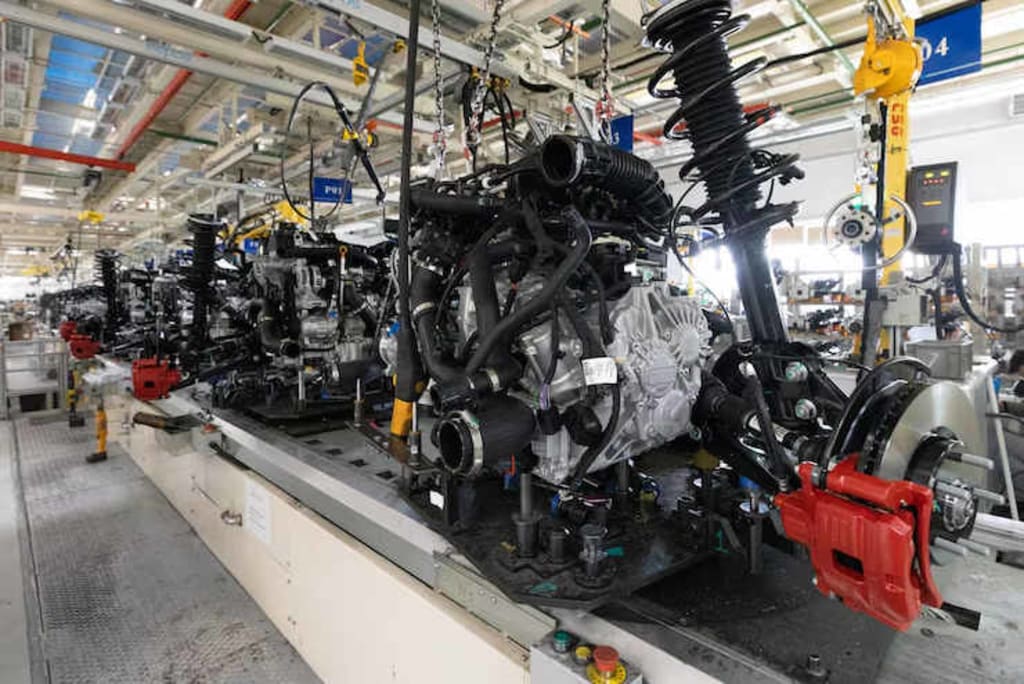
On the streets of Lisbon and Porto, the sound of the internal combustion engine isn't going away anytime soon. While much of the global conversation centers on the "new car" of the future, Portugal is currently engaged in a massive, lucrative "long game" with the cars of the past.
As of early 2026, Portugal automotive aftermarket the industry responsible for every part and service a vehicle needs after it leaves the dealership has become a cornerstone of the national economy. Valued at USD 1.88 Billion in 2024, the market is on a steady climb to reach USD 2.68 Billion by 2033. With a CAGR of 3.65%, this sector is thriving precisely because Portuguese drivers are holding onto their cars longer than ever before.
1. The "Aging Fleet" Phenomenon
In 2026, the average age of a vehicle in Portugal has plateaued at a historic high of over 12.5 years. While the European Union pushes for a rapid transition to electric vehicles (EVs), the economic reality on the ground is different. High financing costs and the rising prices of new vehicles have led Portuguese households to adopt a "repair rather than replace" mindset.
Constant Maintenance Cycle: Older cars aren't just "used"; they are "service-heavy." Vehicles over a decade old require regular replacements of high-wear components like suspension systems, brake pads, and timing belts. This creates a predictable, recession-proof revenue stream for parts suppliers.
The Post-Warranty Pivot: Once a vehicle crosses the five-year mark, owners typically migrate away from expensive authorized dealerships. This has led to a renaissance for Independent Repair Shops, which now command a significant and growing portion of the market share.
2. The Rise of the Independent Garage
One of the most defining shifts in 2026 is the professionalization of the independent "corner garage." Gone are the days of grease-stained paperwork; today’s independent shops in Portugal are high-tech hubs.
Cost-Effectiveness: Independent shops offer labor rates and parts that are often 30-40% lower than official dealerships. In an economy where every Euro counts, this value proposition is unbeatable.
Advanced Diagnostics: To stay competitive, local garages are investing in sophisticated diagnostic software. This allows them to service modern vehicles with complex sensors and Electronic Control Units (ECUs), once the exclusive domain of major manufacturers.
Specialization: We are seeing a surge in specialized "Aftermarket Centers" that focus solely on high-growth areas like turbocharger reconditioning, transmission repair, or the retrofitting of infotainment systems.
3. The Digital Parts Revolution
If the independent garage is the "heart" of the market, e-commerce is its "circulatory system." In 2026, the way parts move across Portugal has been totally digitalized.
B2B E-Commerce: Mechanics no longer spend hours on the phone with wholesalers. They use unified digital platforms to check real-time inventory and pricing across multiple distributors, with many parts arriving within hours via local delivery networks.
The DIY Influence: A growing segment of "weekend mechanics" is using B2C platforms to buy their own parts. Digital tools that allow users to enter their license plate number to find "guaranteed-fit" components have significantly reduced return rates and empowered the consumer.
Counterfeit Protection: One of the quiet victories of 2026 is the use of blockchain and unique QR codes on packaging. This allows both mechanics and consumers to verify that the replacement part is genuine, a critical factor in a market where safety is paramount.
4. Regulatory Pressure: Safety and Emissions
Portugal’s stringent adherence to EU safety and emission standards acts as a constant "stimulus package" for the aftermarket.
The Emission Squeeze: Older diesel and petrol cars must undergo rigorous testing to remain roadworthy. This drives a massive demand for high-quality filters, sensors, and catalytic converters.
Safety First: As Portuguese authorities increase focus on road safety, components like tires, lighting systems, and wipers are seeing steady year-on-year growth. The "quality aftermarket" segment brands that offer OEM-equivalent performance is particularly strong as consumers seek reliability without the dealership price tag.
5. Fleet and Commercial Growth
While individual car owners are vital, the Commercial Vehicle segment is the "heavy lifter" of the 2026 market.
The Logistics Boom: The explosion of e-commerce delivery vans has created a fleet of high-mileage vehicles that require near-constant servicing. These commercial operators prioritize "predictive maintenance" replacing parts before they fail to avoid the high cost of a van being off the road.
Fleet Management Solutions: Aftermarket providers are now offering integrated service contracts for small-to-medium delivery fleets, providing everything from oil changes to tire management under a single monthly fee.
6. Challenges and the Path to 2033
The journey toward the $2.68 Billion milestone isn't without its obstacles:
The EV Shift: While slow, the gradual adoption of EVs means fewer oil changes and spark plug replacements. Aftermarket players are currently scrambling to train staff on high-voltage battery cooling systems and electric drive units.
Technological Complexity: As cars become "computers on wheels," the cost of diagnostic equipment is rising, potentially squeezing out the smallest "mom-and-pop" garages that cannot afford the investment.
Talent Scarcity: There is a nationwide shortage of skilled "mechatronics" technicians who understand both the mechanical and electronic aspects of modern vehicles.
Conclusion: The Resilient Road Ahead
Portugal’s automotive aftermarket in 2026 is a masterclass in resilience. By leveraging an aging vehicle parc, embracing digital distribution, and focusing on independent service excellence, the industry has created a stable, growing ecosystem.
For investors and business owners, the message is clear: the future of the Portuguese road isn't just about what people are buying next it's about how well we maintain what they are driving now. As we look toward 2033, the "Longevity Economy" of the automotive world is just getting started.
About the Creator
Keep reading
More stories from Neeraj kumar and writers in Education and other communities.
The Credit Reset: Why Portugal is Embracing the USD 239.35 Million ‘Buy Now, Pay Later’ Wave
Walking through the Chiado district in Lisbon or scrolling through a Portuguese fashion boutique online, you’ll notice a significant change at the checkout. The traditional credit card is no longer the undisputed king. Instead, a new player has arrived: Portugal Buy Now Pay Later.
By Neeraj kumarabout 8 hours ago in Education
Swinging Through the Storm: The Emotional Landscape of Golf
Golf is a game of precision, patience, and subtle mastery. On the surface, it is a serene walk across green landscapes, interrupted only by the occasional swing of a club. But anyone who has spent time on a golf course knows the truth: beneath the calm exterior lies an intense emotional journey. Golf is a sport where emotions are not just present, they are central. It lays bare the player's temperament, testing not only physical skill but also the capacity to remain emotionally composed amid challenges both big and small.
By Jeb Kratzig6 days ago in Education
Writing About Writing: The Rainbow Trap
The good thing about living in modern times is that LGBTQ representation in media is increasing. Not just in niche and Independant media, either, but also in mainstream media. Books, movies, TV shows, comics... they're finally catching on that LGBTQ+ people form a significant part of their audience, and deserve to see themselves on screen and in fiction, not just as victims in documentaries and true crime shows.
By Natasja Rose5 days ago in Writers



Comments
There are no comments for this story
Be the first to respond and start the conversation.