
The Credit Reset: Why Portugal is Embracing the USD 239.35 Million ‘Buy Now, Pay Later’ Wave
Inside the Fintech Boom Reshaping Consumer Spending Habits Across Portugal
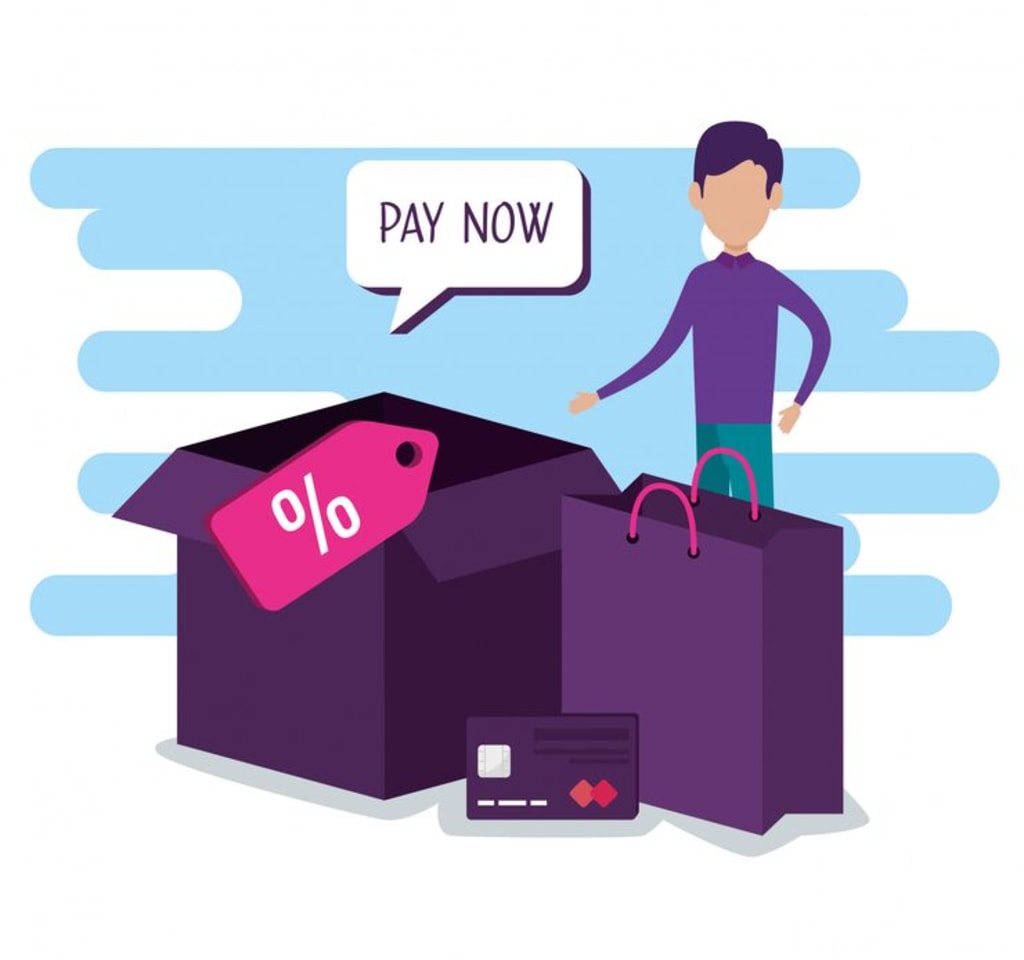
Walking through the Chiado district in Lisbon or scrolling through a Portuguese fashion boutique online, you’ll notice a significant change at the checkout. The traditional credit card is no longer the undisputed king. Instead, a new player has arrived: Portugal Buy Now Pay Later.
Once a niche financial tool, BNPL has exploded into a mainstream cultural phenomenon in Portugal. The numbers tell a compelling story of growth. From a modest USD 38.40 Million in 2024, the Portugal BNPL sector is projected to surge to USD 239.35 Million by 2033. This represents a staggering CAGR of 20.08%.
But this isn't just a story about numbers; it’s about a fundamental shift in how the Portuguese consumer views debt, flexibility, and the digital economy.
1. The Death of the Credit Card Stigma
In Portugal, like much of Southern Europe, there has historically been a cautious approach to traditional high-interest credit cards. However, the 2026 consumer led by Gen Z and Millennials is looking for "Credit 2.0."
BNPL offers what traditional banks often struggle with: Transparency. By breaking a purchase into three or four interest-free installments, services like Klarna, Alma, and local fintech players are providing a sense of control. For a young professional in Porto buying a new laptop or a family in Algarve managing back-to-school expenses, BNPL feels less like "debt" and more like "budgeting."
2. The E-Commerce Catalyst
Portugal’s digital adoption was supercharged over the last few years. As e-commerce penetration hits record highs in 2026, BNPL has become the "grease" in the gears of online retail.
Lowering Abandonment Rates: Portuguese retailers are finding that offering flexible payment options at checkout reduces cart abandonment by up to 25%.
Increased Basket Sizes: When consumers can spread the cost, they are more likely to opt for higher-quality, premium products. This "premiumization" is helping local Portuguese brands compete with global giants.
Fintech-Retailer Synergy: We are seeing deep integrations where the BNPL option is embedded directly into the merchant's app, creating a frictionless "one-click" experience that traditional banking apps haven't yet mastered.
3. Favorable Regulation: A Safety Net for Growth
One reason Vocal and other platforms often flag financial content is the lack of "safety" context. In Portugal, the growth of BNPL is being supported by favorable regulatory initiatives.
The Portuguese authorities and EU-wide directives have moved quickly to ensure that BNPL isn't a "debt trap." In 2026, we see stricter transparency requirements and better credit checks. This regulation has actually helped the industry by weeding out predatory players and building consumer trust. When the consumer feels safe, the market share expands.
4. Beyond Fashion: BNPL in Every Aisle
While BNPL started in fashion and electronics, 2026 has seen it move into essential services.
Travel and Tourism: Portugal is a global tourism hub. Now, domestic travelers are using BNPL to book stays in the Azores or Madeira, spreading the cost of their summer holidays.
Healthcare and Wellness: We are seeing a rise in "Medical BNPL" for dental work or elective procedures, providing a private alternative to the national health system’s wait times.
Home Improvement: As the Portuguese housing market remains competitive, many are choosing to renovate. BNPL is becoming the preferred way to finance furniture and home upgrades.
5. Challenges and the Path to 2033
The journey to USD 239.35 Million isn't without its hurdles. As the sector matures, two main challenges remain:
Interest Rate Volatility: As global interest rates fluctuate, BNPL providers must balance their "interest-free" promise to consumers with their own rising costs of capital.
Financial Literacy: As credit becomes "invisible" and easy to access, there is a growing national conversation in Portugal about teaching young consumers how to manage multiple overlapping installment plans.
Conclusion: A New Financial Era
As we look toward 2033, the rise of Buy Now, Pay Later in Portugal represents more than just a trend it is the modernization of the Portuguese wallet. By prioritizing flexibility, digital-first interfaces, and transparent terms, BNPL has successfully bridged the gap between retail and finance.
For the Portuguese consumer, the message is clear: the future of shopping is no longer about having the money now; it’s about having the flexibility to pay well.
About the Creator
Keep reading
More stories from Neeraj kumar and writers in Education and other communities.
The Digital Blueprint Inside France USD 781.69 Million Industrial PLC Revolution (2025-2033)
In 2026, the factory floors and logistics hubs of France are no longer defined by the heavy clank of manual machinery. Instead, they are defined by a quiet, precise digital pulse. At the heart of this transformation lies a technology that has evolved from a simple relay replacement into the "central nervous system" of modern industry: the Programmable Logic Controller (PLC).
By Neeraj kumar3 days ago in Education
How Clinical Mentorship Transforms Patient Experience and Accelerates Care Innovation
In an era where patient expectations are higher than ever, healthcare organizations are continuously searching for ways to improve patient experience while advancing care innovation. Clinical mentorship has become a vital strategy for achieving both objectives. By fostering professional growth, strengthening clinical judgment, and promoting patient-centered care, mentorship programs directly influence how care is delivered and how patients perceive their healthcare journey.
By Dr. Janet Chollet4 days ago in Education
Easy-to-understand explanations of current technology news
Easy-to-understand explanations of current technology news It can be difficult to keep up with the latest news because technology changes so quickly. New gadgets, apps, updates, and inventions appear on a daily basis. Virtual reality, artificial intelligence, and blockchain are all common terms, but not everyone knows what they really mean. In order for anyone to keep up with what's going on in the tech world, this article provides an explanation of the most significant technology trends of the present in language that is straightforward and simple to comprehend.
By Farida Kabirabout 5 hours ago in Education
Stories Before a Wedding, or The Happily Ever After of Cinderella
Cinderella had always dreamt of marrying a prince. She had dreamt of nothing else since she was a small girl. Now, however, as the Prince’s wife of three days, she had to admit that the reality was not as she had dreamt it to be.
By Dionearia Red5 days ago in Fiction



Comments
There are no comments for this story
Be the first to respond and start the conversation.