
The Intersection of Technology and Furniture: What’s Next?
Exploring the Future of Smart, Sustainable, and Customizable Living Spaces

In recent years, technology has become an integral part of every aspect of our lives, and now, it is making its way into our homes through innovative furniture designs. The fusion of technology and furniture is transforming the way we interact with our living spaces, making them smarter, more functional, and more sustainable. As consumer demand for convenience, comfort, and sustainability rises, furniture makers are increasingly incorporating cutting-edge technologies into their designs. So, what’s next for the intersection of technology and furniture?
Smart Furniture: The Future is Now
Smart furniture is at the forefront of this technological revolution. From charging stations embedded in tables and sofas to furniture that adjusts to your body posture, the possibilities are endless. Voice-activated controls and apps that allow users to adjust furniture to their preferred settings are rapidly gaining popularity. For example, desks and chairs that can automatically adjust to ergonomic positions, improving posture and productivity, are now available in the market. Meanwhile, coffee tables with built-in wireless charging pads offer a convenient way to power up devices without the need for extra cables.
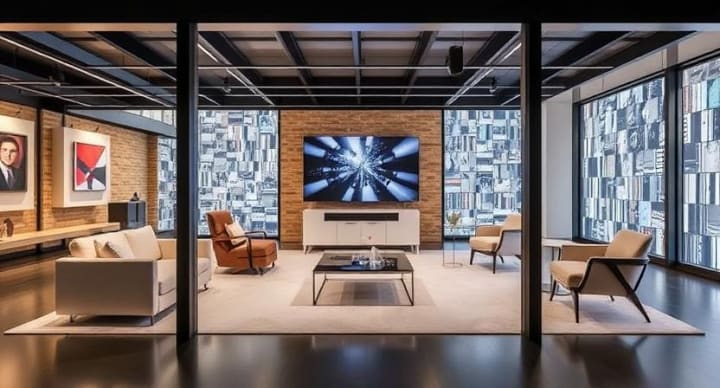
Moreover, the integration of smart home technology into furniture is also on the rise. Imagine a coffee table that not only adjusts the lighting in the room but also controls the temperature, music, and even your smart appliances, all with a voice command. As more devices in the home become interconnected through platforms like Amazon Alexa, Google Assistant, and Apple HomeKit, the potential for smart furniture to enhance home living continues to expand.
Customization and Personalization: Tailored to You
Technology is also enabling a new era of customization and personalization in furniture design. With the advent of 3D printing and modular design systems, consumers now have the ability to create furniture that is not only functional but also perfectly suited to their individual tastes and needs. 3D printing allows for the creation of custom-made furniture pieces, from chairs to tables, in unique shapes and designs. Consumers can choose from a wide array of materials, colors, and textures to craft pieces that seamlessly blend with their home decor.
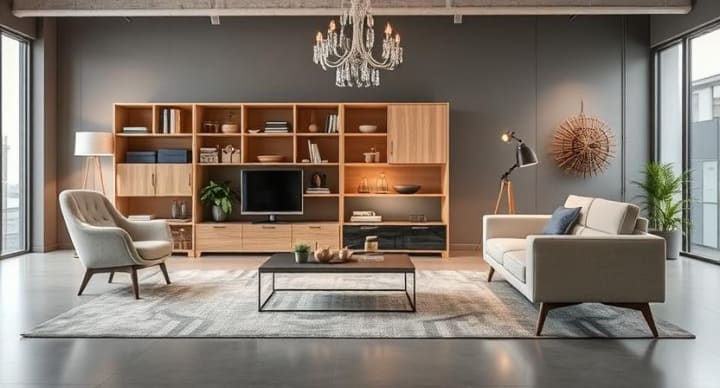
Modular furniture, which can be reconfigured and adapted to fit different spaces or purposes, is becoming increasingly popular. This type of furniture is particularly appealing to urban dwellers who live in smaller spaces and need versatile solutions. With technology, manufacturers can offer more flexible, personalized furniture options, allowing customers to design pieces that adapt to their living environment.
Sustainability: Tech Meets Eco-Friendly Design
As consumers become more environmentally conscious, the furniture industry is evolving to meet the demand for sustainable products. Technology is playing a significant role in creating eco-friendly solutions in furniture design. Advances in materials science are allowing for the development of sustainable furniture made from recycled, biodegradable, or renewable materials. Furniture makers are increasingly turning to reclaimed wood, bamboo, and recycled plastics to reduce their environmental impact.
Moreover, the development of energy-efficient smart furniture is helping consumers live more sustainably. For example, smart thermostats and energy-efficient lighting embedded into furniture can help reduce energy consumption. Furniture that tracks usage patterns and adjusts to reduce energy waste could become the norm in homes of the future.

The Future: Integrated Technology and Design
Looking ahead, the integration of technology into furniture is only going to get more sophisticated. Augmented reality (AR) and virtual reality (VR) technologies will likely play a role in how consumers shop for and design furniture. Imagine being able to visualize how a piece of furniture will look in your living room using AR through your phone or a VR headset, allowing you to make more informed decisions before making a purchase.
Further advancements in artificial intelligence (AI) could lead to furniture that learns from your habits. For instance, a bed might analyze your sleeping patterns and adjust to optimize comfort, or a desk could automatically adjust its height based on your preferences throughout the day. As AI becomes more advanced, furniture could even become predictive, anticipating your needs before you realize them.
Conclusion
The intersection of technology and furniture is an exciting space to watch. As technology continues to evolve, it will not only redefine the functionality and aesthetics of furniture but also contribute to creating more sustainable, personalized, and efficient living spaces. With innovations in smart furniture, customization, and eco-friendly design, the future of furniture is set to be both high-tech and eco-conscious, enhancing the way we live in our homes. The possibilities are endless, and as technology advances, we can expect even more transformative changes in the furniture industry.
About the Creator
Keep reading
More stories from OPAA LIVING and writers in Education and other communities.
Furniture for Multi-Generational Living: Designing for Diverse Needs
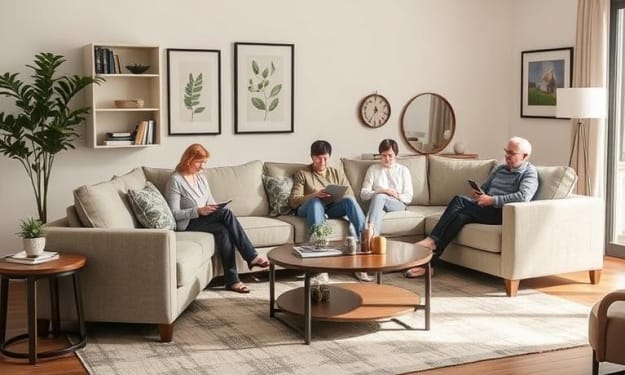
Furniture for Multi-Generational Living: Designing for Diverse Needs As multi-generational living becomes increasingly common, the demand for versatile and adaptable furniture solutions is on the rise. Families are coming together to live under one roof for various reasons, including economic factors, caregiving needs, and a desire for stronger family bonds. In these homes, where grandparents, parents, children, and sometimes even great-grandparents coexist, furniture must do more than just provide comfort; it needs to serve a wide range of functions to cater to the diverse needs of each generation. From young children to elderly family members, each person requires different levels of comfort, accessibility, and support, making thoughtful design a critical element in creating a harmonious living space.
By OPAA LIVING10 months ago in Education
Digital Signage Solutions Supporting Communication in Schools
I still remember the chaos of my first week as a communications coordinator at a mid-sized university. Between emergency alerts that never reached students, event posters peeling off bulletin boards, and faculty members who couldn't find the right room for meetings, I realized our campus communication system was stuck in the 1990s. That experience changed how I think about information flow in educational settings.
By Jerry Kane 7 days ago in Education
Invisible Radiation in Everyday Life
We live in a world powered by invisible signals. From the moment you wake up and check your phone, to working on a laptop, connecting to WiFi, using Bluetooth earbuds, or scrolling before bed—your body is constantly surrounded by electromagnetic fields (EMFs). They’re an unavoidable part of modern life, yet most people rarely stop to think about how continuous exposure may affect their energy, sleep, focus, and overall well-being.
By Inamullah Momand 7 days ago in Education



Comments
There are no comments for this story
Be the first to respond and start the conversation.