
Furniture for Multi-Generational Living: Designing for Diverse Needs
Creating Functional and Comfortable Spaces for All Ages
Furniture for Multi-Generational Living: Designing for Diverse Needs
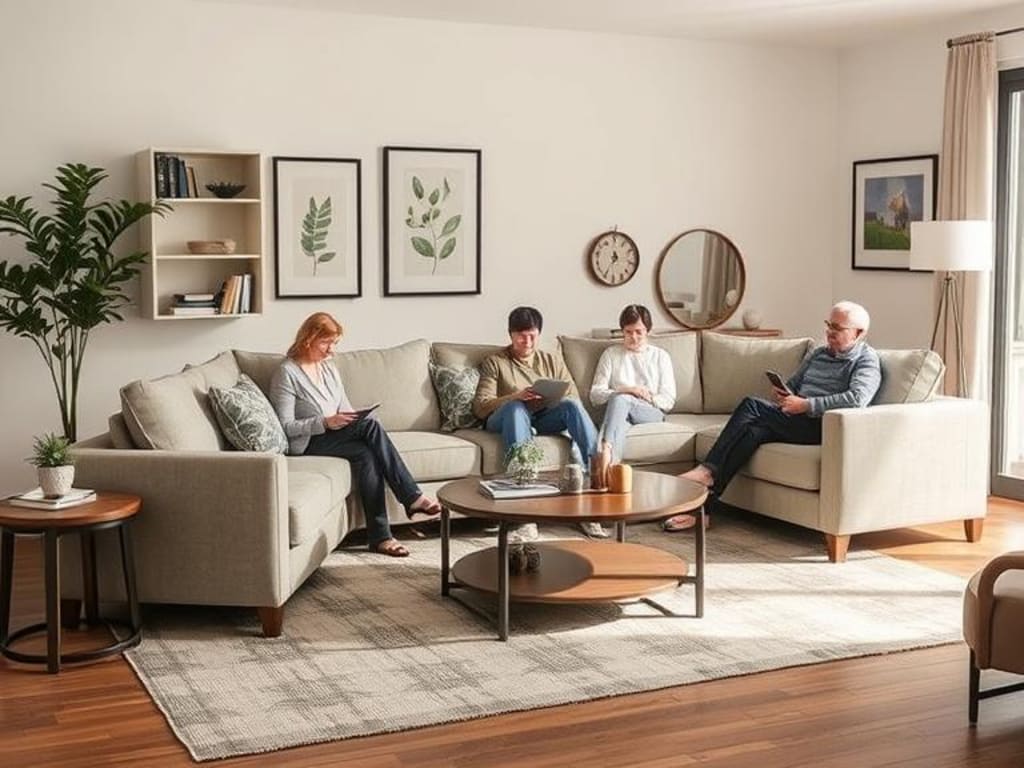
As multi-generational living becomes increasingly common, the demand for versatile and adaptable furniture solutions is on the rise. Families are coming together to live under one roof for various reasons, including economic factors, caregiving needs, and a desire for stronger family bonds. In these homes, where grandparents, parents, children, and sometimes even great-grandparents coexist, furniture must do more than just provide comfort; it needs to serve a wide range of functions to cater to the diverse needs of each generation. From young children to elderly family members, each person requires different levels of comfort, accessibility, and support, making thoughtful design a critical element in creating a harmonious living space.
Flexibility in Design
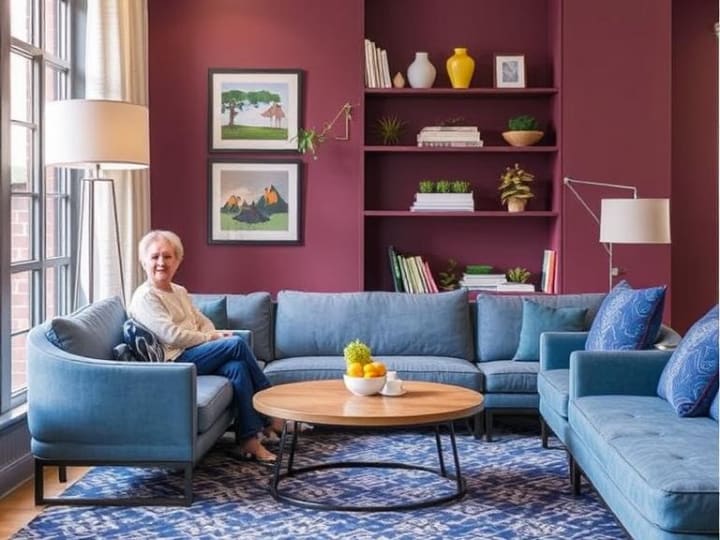
One of the most important aspects of designing furniture for multi-generational living is **flexibility**. With families using spaces for a variety of activities—whether it’s a living room for family gatherings, a quiet corner for reading, or a space for relaxation—furniture must be easily adaptable. Modular furniture is an ideal solution, as it can be rearranged or reconfigured to meet different needs. For instance, sectional sofas with removable pieces allow for easy customization of seating arrangements, accommodating larger groups during family events or offering more intimate seating for smaller gatherings. Modular systems can also be expanded or reduced to fit the ever-changing needs of a growing family, making them a cost-effective and functional investment.
Ergonomics and Accessibility
In a multi-generational household, it’s essential to consider the **ergonomics** and **accessibility** of furniture. Elderly family members or those with mobility challenges require furniture that supports their physical needs, helping them navigate the space safely and comfortably. Furniture should be designed to offer ease of use for all generations. Comfortable chairs with higher armrests can help elderly family members rise from their seats with greater ease, while beds with adjustable heights provide a customizable sleeping experience for individuals with mobility challenges. Tables with ample legroom and appropriate height are another consideration, ensuring that everyone can sit comfortably, whether at a dining table or a desk.
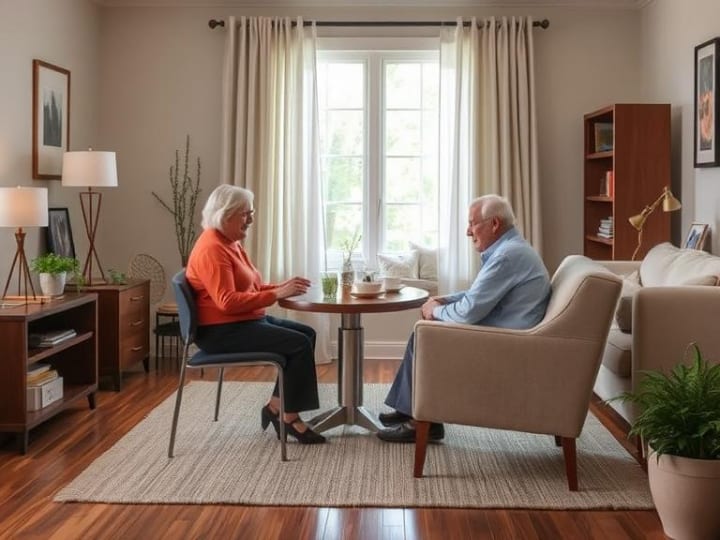
Incorporating safety features such as rounded edges, non-slip materials, and sturdy constructions can further prevent accidents, especially in homes with young children or older adults. When selecting furniture for multi-generational living, it is important to balance aesthetics with practicality. Designs that prioritize both comfort and safety are essential to meeting the needs of all family members.
Storage Solutions
Storage is another key consideration in multi-generational living. With multiple generations under one roof, space can often feel limited, and clutter can accumulate quickly. Efficient storage solutions can help maximize living space and create a more organized, functional environment. Furniture with built-in storage, such as ottomans, coffee tables, or beds with hidden compartments, can provide much-needed space to store personal belongings, toys, and everyday items without compromising on style. Multi-functional furniture, like sofa beds or foldable tables, can further enhance the versatility of a room, allowing it to adapt to the needs of different family members throughout the day.
Creating a Harmonious Environment
Ultimately, designing furniture for multi-generational living is about blending **comfort, style, and functionality** to create an environment where everyone feels welcome, valued, and at ease. The key to successful design is understanding the diverse needs of each generation and ensuring that the home accommodates those needs seamlessly. Whether it’s a cozy spot for a grandparent to relax, a flexible workspace for parents, or a playful, safe area for children, furniture in multi-generational homes should offer a balance of form and function.
Moreover, creating a harmonious environment means integrating aesthetics that appeal to different generations. A thoughtfully designed home will feature furniture that is not only comfortable and practical but also visually appealing to all ages. By prioritizing flexibility, accessibility, and storage solutions, families can create living spaces that foster connection and ease, while ensuring that each individual’s needs are met, no matter their stage of life.
In conclusion, the rise of multi-generational living calls for innovative and adaptable furniture solutions that accommodate the diverse needs of all family members. By considering factors like flexibility, ergonomics, accessibility, and storage, furniture designers can create functional, comfortable, and stylish pieces that contribute to a supportive and thriving multi-generational home.
About the Creator
Keep reading
More stories from OPAA LIVING and writers in Education and other communities.
Circular Economy in Furniture Manufacturing: From Design to Disposal
Introduction The concept of a circular economy in furniture manufacturing is an innovative approach that aims to minimize waste while maximizing the lifespan of products. In contrast to the traditional linear model of "take, make, dispose," which leads to the depletion of resources and increased waste, the circular economy promotes a closed-loop system where products and materials are reused, repaired, refurbished, and recycled. This model not only reduces the environmental footprint but also fosters sustainability by encouraging more efficient use of resources.
By OPAA LIVING10 months ago in Education
Top 10 SEO Experts In Pakistan In 2026
Introduction Search optimization in 2026 no longer revolves around keywords or isolated ranking tactics. Google’s AI Overviews, entity-based indexing, and answer-first systems have changed how visibility is earned. Search engines now evaluate meaning, credibility, and contextual authority rather than mechanical signals.
By Sajid Ali Shar5 days ago in Education
Colors and Such
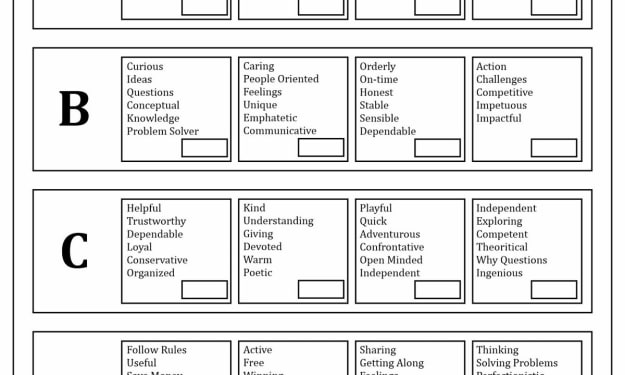
Before I retired in 2020, I worked as a Nursing instructor in one of the nation's largest community colleges. It was a job I thoroughly enjoyed for fifteen years because I had a heart for the students and genuinely wanted to invest in them and their futures.
By Shirley Belk7 days ago in Education


Comments
There are no comments for this story
Be the first to respond and start the conversation.