
The Importance of Play-Based Learning in Early Childhood
Introduction
Introduction
Definition of play-based learning
Play-based learning is an educational approach that focuses on using play as a means of promoting learning and development in young children. In this approach, learning is seen as a natural and enjoyable process that occurs through play, rather than a structured and formal process that is taught in a traditional classroom setting. Play-based learning activities are designed to be engaging, interactive, and fun for children, and they often involve hands-on exploration, imaginative play, and problem-solving. The goal of play-based learning is to provide children with opportunities to learn and develop in a way that is natural, supportive, and enjoyable, so that they can reach their full potential.
Importance of play in early childhood
Play is incredibly important for children in their early years for several reasons:
Physical Development:
Play helps young children develop their gross and fine motor skills, as well as improve their coordination, balance, and dexterity.
Cognitive Development:
Play helps children develop important cognitive skills, such as problem-solving, critical thinking, and creativity. It also helps children build their memory and attention skills, and encourages them to explore and make sense of the world around them.
Social and Emotional Development:
Play provides opportunities for children to interact with others, build relationships, and develop social and emotional skills, such as cooperation, communication, and empathy.
Language Development:
Play can also help children develop their language skills, as they have opportunities to listen, speak, and practice their language in a supportive and engaging environment.
Creativity and Imagination:
Play encourages children to be imaginative, to use their creativity, and to think outside the box. This can help them to develop a lifelong love for learning and creativity.
In short, play is essential for the overall development and well-being of young children, and it lays the foundation for their future success in all areas of life.
The Role of Play in Child Development
Physical Development
A. Gross motor skills
Gross motor skills refer to the movement and control of large muscle groups in the body, such as the legs, arms, and trunk. Examples of gross motor skills include:
• Walking, running, jumping, skipping, and hopping
• Climbing, crawling, and balancing
• Throwing, catching, and kicking a ball
• Swimming and other physical activities
• Lifting, carrying, and pushing objects.
Developing strong gross motor skills is important for children's overall physical development and health, as well as for their social and emotional development. For example, physical play helps children build confidence, improves their coordination and balance, and allows them to express themselves in new and exciting ways. Additionally, engaging in physical activity helps to improve children's physical fitness and can reduce their risk of obesity and other health problems.
B. Fine motor skills
Fine motor skills refer to the movement and control of small muscle groups in the body, such as the hands, fingers, and eyes. Examples of fine motor skills include:
• Grasping and holding small objects, such as crayons, pencils, and toys
• Picking up small objects with fingers and thumb (pincer grasp)
• Manipulating objects, such as turning a doorknob or using utensils to eat
• Writing, drawing, and coloring
• Buttoning, zipping, and tying shoelaces.
Developing fine motor skills is important for children's overall physical development and their ability to perform daily tasks, such as eating, dressing, and writing. It also helps with their cognitive development, as fine motor skills are often linked to hand-eye coordination and attention skills. Furthermore, fine motor skills play a role in developing a child's independence and self-esteem, as they gain confidence in their ability to complete tasks on their own.
Cognitive Development
A. Problem-solving skills
Problem-solving skills refer to the ability to identify, analyze, and resolve problems or challenges. In early childhood, problem-solving skills are developed through play, as children are presented with opportunities to explore, experiment, and find solutions to problems.
Examples of problem-solving skills that are developed through play include:
Reasoning and critical thinking: Children learn to evaluate information, make decisions, and find solutions to problems.
Creativity: Children are encouraged to use their imagination and creativity to find new and innovative solutions to problems.
Flexibility and adaptability: Children learn to be flexible and adaptable, as they encounter new challenges and problems in their play.
Persistence: Children learn to persevere and persist in their efforts to find solutions to problems, even when they face obstacles or setbacks.
Collaboration: Children learn to work together with others to solve problems and complete tasks, as they engage in collaborative play activities.
Problem-solving skills are important for a child's overall development and future success, as they help children to be independent, resilient, and confident learners. These skills can also be applied to real-life situations, helping children to navigate challenges and find solutions to problems they encounter throughout their lives.
B. Imagination and creativity
Imagination and creativity refer to the ability to think beyond what is known, to envision new possibilities, and to use one's imagination to create something new. In early childhood, imagination and creativity are fostered through play, as children have opportunities to explore, experiment, and express themselves in new and innovative ways.
Examples of imagination and creativity that are developed through play include:
Pretend play: Children engage in imaginative play, where they can act out different roles and scenarios, and use their imagination to create new stories and experiences.
Art and crafts: Children engage in hands-on activities, such as drawing, painting, and building that allow them to express their creativity and imagination.
Music and movement: Children can use their bodies and voices to create music and movement, exploring new and imaginative ways to express themselves.
Storytelling and dramatic play: Children engage in storytelling and dramatic play, using their imagination to create new worlds and characters.
Outdoor play: Children can explore the natural world and use their imagination to create new games and experiences.
Imagination and creativity are important for a child's overall development, as they provide opportunities for children to express themselves, develop their self-confidence, and build a love for learning. These skills also lay the foundation for future success in areas such as innovation, entrepreneurship, and creative problem-solving.
Social and Emotional Development
A. Social skills
Social skills refer to the ability to interact with others in appropriate and effective ways, such as communicating, cooperating, and building relationships. In early childhood, social skills are developed through play, as children have opportunities to interact with their peers and learn about social norms and expectations.
Examples of social skills that are developed through play include:
Communication: Children learn to communicate effectively with others, expressing their needs and desires, and understanding the perspectives of others.
Cooperation: Children learn to work together with others, sharing resources, and collaborating on tasks and projects.
Sharing and turn-taking: Children learn to share and take turns, developing their ability to be considerate and respectful of others.
Empathy and compassion: Children learn to understand and relate to the feelings of others, developing their empathy and compassion for others.
Conflict resolution: Children learn to resolve conflicts and disagreements, developing their problem-solving skills and their ability to handle challenging social situations.
Social skills are important for a child's overall development and future success, as they help children to form positive relationships, work effectively with others, and navigate social situations. These skills are also essential for building self-esteem, developing empathy and compassion, and promoting positive mental health.
B. Emotional regulation
Emotional regulation refers to the ability to manage and control one's emotions, including recognizing, expressing, and modulating emotions in appropriate ways. In early childhood, emotional regulation is developed through play, as children learn to identify and understand their emotions and how to regulate their behavior in response.
Examples of emotional regulation that are developed through play include:
Emotional awareness: Children learn to recognize and identify their own emotions, as well as the emotions of others.
Emotional expression: Children learn to express their emotions in appropriate ways, such as through words, gestures, and facial expressions.
Emotional control: Children learn to control their impulses and manage their behavior, even in challenging situations.
Coping skills: Children learn how to cope with difficult emotions and challenges, developing their resilience and ability to handle stress.
Empathy and compassion: Children learn to understand and relate to the emotions of others, developing their empathy and compassion for others.
Emotional regulation is important for a child's overall development and future success, as it helps children to form positive relationships, build self-esteem, and manage stress and challenges. Emotional regulation also lays the foundation for positive mental health and well-being, promoting healthy coping mechanisms and reducing the risk of mental health difficulties later in life.
Advantages of Play-Based Learning in Early Childhood
Engaging and Motivating for Children
Engaging and motivating children is important for promoting their interest in learning and encouraging their active participation in activities. In early childhood, play-based learning is a highly engaging and motivating approach, as children are naturally drawn to play and enjoy exploring and experimenting in a supportive and fun environment.
Examples of engaging and motivating activities for children include:
Hands-on learning: Children are motivated to participate in hands-on activities, such as building, painting, and exploring, that allow them to engage with the world in a physical and sensory way.
Choice and autonomy: Children are motivated when they are given choices and opportunities to make decisions, as they feel a sense of control and ownership over their learning.
Playful competition: Children are motivated by games and challenges that allow them to compete with others and test their skills, such as board games or sports.
Collaboration and teamwork: Children are motivated by opportunities to work with others and cooperate on tasks, such as group projects or group games.
Curiosity and exploration: Children are motivated by opportunities to explore and discover new things, such as nature walks, science experiments, or art projects.
Engaging and motivating children is essential for promoting their love for learning and building their confidence and self-esteem. By providing a variety of engaging and motivating activities, children are encouraged to be active learners, developing their skills and abilities in a fun and enjoyable way.
Supports Self-Directed Learning
Self-directed learning refers to the process of taking control of one's own learning, setting goals, making decisions, and evaluating progress. In early childhood, play-based learning supports self-directed learning by providing opportunities for children to explore, experiment, and discover at their own pace.
Examples of how play-based learning supports self-directed learning include:
Autonomy: Children are given the freedom to choose their own activities and explore their interests, developing their sense of autonomy and control over their learning.
Discovery and exploration: Children are encouraged to discover and explore new things on their own, building their curiosity and motivation to learn.
Problem-solving: Children are provided with opportunities to solve problems and challenges on their own, developing their critical thinking and problem-solving skills.
Choice and decision-making: Children are given choices and opportunities to make decisions, building their self-confidence and decision-making skills.
Reflection and evaluation: Children are encouraged to reflect on their learning and evaluate their progress, building their self-awareness and ability to assess their own learning.
Self-directed learning is an important aspect of child development, as it promotes independence, self-motivation, and a love for learning. By providing opportunities for self-directed learning, play-based learning supports children in becoming active and engaged learners, who are able to take control of their own learning and set goals for their future.
Develops a Love for Learning
Developing a love for learning is a crucial aspect of early childhood education, as it sets the stage for a lifelong journey of growth and discovery. Play-based learning is an effective approach to cultivate a love for learning in children, as it offers a fun and engaging environment where children can explore, experiment, and learn at their own pace.
Some of the ways play-based learning can help children develop a love for learning include:
• Fun and enjoyment: Play-based learning is centered around activities that children enjoy, promoting a positive and engaging learning experience.
• Curiosity and exploration: Children are encouraged to explore and discover new things, fostering their natural curiosity and desire to learn.
• Autonomy and control: Children have the freedom to choose their own activities and control their own learning, promoting a sense of empowerment and ownership over their education.
• Success and progress: Children experience a sense of success and progress as they develop new skills and abilities, building their confidence and self-esteem.
• Active participation: Children are active participants in their own learning, rather than passive recipients of information, promoting engagement and motivation to learn.
By fostering a love for learning in early childhood, play-based learning lays the foundation for a lifetime of growth, discovery, and academic success.
Examples of Play-Based Learning Activities
Pretend play
Pretend play, also known as imaginative play or dramatic play, is an important aspect of play-based learning in early childhood. Pretend play involves children acting out different scenarios and roles, using props, costumes, and imaginative storytelling to create a make-believe world.
Pretend play has several important benefits for early childhood development, including:
• Language development: Pretend play provides opportunities for children to practice and develop their language and communication skills as they talk, listen, and interact with others.
• Social and emotional development: Pretend play helps children learn how to regulate their emotions, understand social cues, and develop important social skills such as cooperation and negotiation.
• Cognitive development: Pretend play requires children to think critically and problem-solve, strengthening their cognitive abilities and helping them develop a more flexible and creative mindset.
• Creativity and imagination: Pretend play encourages children to use their imagination and creativity, promoting the development of their artistic and imaginative abilities.
• Self-expression: Pretend play provides a safe and supportive environment for children to express themselves and explore different parts of their personality.
Overall, pretend play is a valuable component of play-based learning, providing children with important opportunities for growth and development.
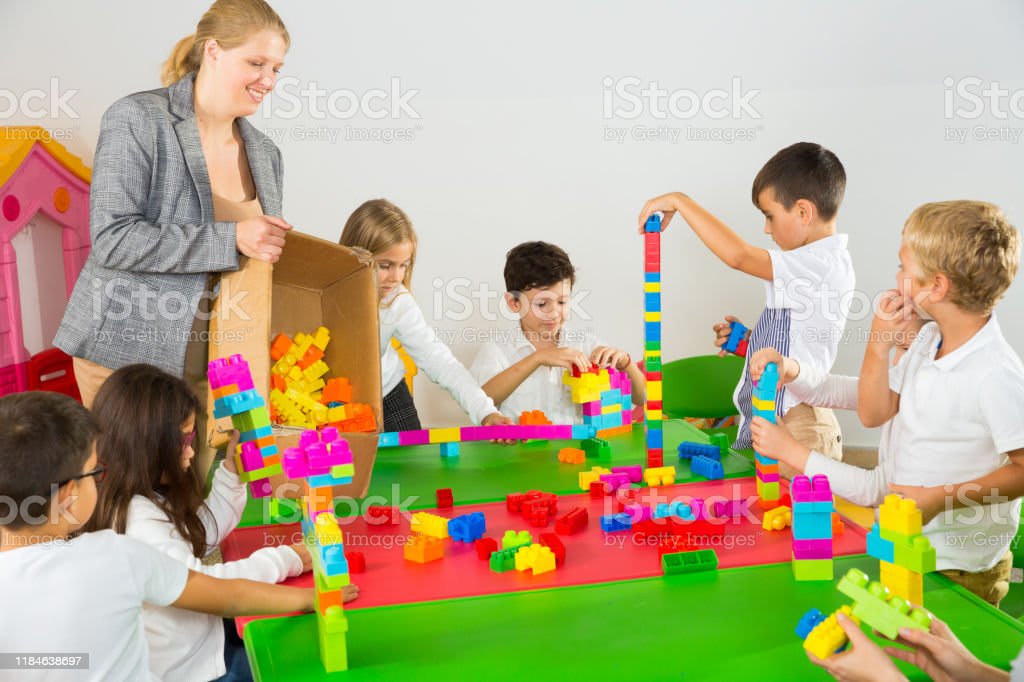
Building and constructing
Building and constructing is another important aspect of play-based learning in early childhood. This type of play involves children using materials such as blocks, wooden sticks, cardboard boxes, or other materials to build structures and construct projects.
Building and constructing play has several benefits for early childhood development, including:
• Physical development: Building and constructing helps children develop their gross motor skills, hand-eye coordination, and dexterity as they manipulate and assemble materials.
• Cognitive development: Building and constructing requires children to use their problem-solving and critical thinking skills, helping them develop these important cognitive abilities.
• Spatial awareness: Children learn about spatial relationships and concepts such as size, shape, and balance as they build and construct structures.
• Creativity and imagination: Building and constructing play provides opportunities for children to be creative and use their imagination as they design and construct new structures.
• Self-expression: Children are able to express themselves through their building and constructing projects, promoting self-confidence and self-esteem.
Overall, building and constructing play is an important aspect of play-based learning in early childhood, providing children with valuable opportunities for physical, cognitive, and emotional development.
Outdoor play and exploration
Outdoor play and exploration is a vital component of play-based learning in early childhood. This type of play involves children playing, exploring, and interacting with the natural world, including plants, animals, and other elements of the environment.
Outdoor play and exploration has several benefits for early childhood development, including:
• Physical development: Outdoor play provides opportunities for children to develop their gross motor skills and physical abilities as they run, jump, climb, and play.
• Cognitive development: Children learn about the natural world and develop their critical thinking and problem-solving skills as they explore and interact with their environment.
• Connection with nature: Outdoor play helps children develop a connection with nature, promoting a love for the environment and a desire to care for it.
• Sense of adventure: Outdoor play provides opportunities for children to take risks, challenge themselves, and have a sense of adventure, promoting self-confidence and independence.
• Social development: Outdoor play provides opportunities for children to interact with each other and develop important social skills such as cooperation and communication.
Overall, outdoor play and exploration is a crucial aspect of play-based learning in early childhood, providing children with valuable opportunities for physical, cognitive, and emotional development.
Challenges of Implementing Play-Based Learning
Lack of Structure
One of the key benefits of play-based learning in early childhood is the lack of structure. Unlike more traditional forms of instruction, play-based learning provides children with the freedom to explore, experiment, and play in their own way, without the constraints of strict rules or a set curriculum.
The lack of structure in play-based learning provides several important benefits, including:
• Encourages self-directed learning: Children are able to take control of their own learning and pursue their own interests and passions, promoting self-directed and self-motivated learning.
• Supports creativity and imagination: The lack of structure in play-based learning provides children with the freedom to use their imagination and be creative in their play, promoting the development of their artistic and imaginative abilities.
• Promotes a love for learning: Children are more likely to be engaged and motivated in their learning when they are allowed to play and explore in their own way, promoting a love for learning that will last a lifetime.
• Supports individual needs and abilities: Children develop at different rates and have unique interests and abilities, and the lack of structure in play-based learning allows each child to learn and grow at their own pace, in their own way.
Overall, the lack of structure in play-based learning is one of its key benefits, providing children with the freedom to explore, experiment, and play in their own way, promoting individualized and self-directed learning.
Need for Proper Space and Equipment
While the lack of structure is one of the key benefits of play-based learning, it is also important to have a proper space and equipment for children to play and learn. A well-designed and equipped play environment can support and enhance children's play experiences, helping them to develop and learn in new and exciting ways.
Some of the key factors that contribute to a successful play environment include:
• Safe and appropriate space: Children need a safe and appropriate space to play and learn, free from hazards and distractions. This may include a designated play area, either inside or outside, that is properly equipped with the right materials and resources.
• Quality equipment: High-quality play equipment, such as toys, games, and educational materials, can help to support and enhance children's play experiences, promoting learning and development.
• Flexibility: The play environment should be flexible, allowing children to adapt and change their play experiences as their needs and interests evolve. This may include the ability to rearrange furniture, change materials and resources, or add new items to the play area.
• Supportive adults: Children need the support of adults to help them navigate their play experiences and provide guidance and support when needed. This may include teachers, caregivers, or other adult role models who are present and involved in the play environment.
Overall, a proper space and equipment are crucial for supporting play-based learning in early childhood, providing children with the right resources and support to learn and grow in new and exciting ways.
Teacher Training
Teacher training is a critical component of successful play-based learning in early childhood. Teachers who have the right training and skills are better equipped to create supportive and engaging play environments that promote learning and development in young children.
Some key components of effective teacher training for play-based learning include:
• Understanding of child development: Teachers need to have a deep understanding of child development and how children learn through play, so they can create play experiences that are developmentally appropriate and support children's growth and learning.
• Knowledge of play-based learning principles: Teachers should be trained in the principles of play-based learning and how to create play experiences that are engaging, motivating, and support children's learning and development.
• Pedagogical skills: Teachers need to have the pedagogical skills necessary to create play experiences that are rich in learning opportunities, including the ability to design and implement activities that are challenging, fun, and engaging.
• Classroom management: Teachers should be trained in effective classroom management techniques that promote a positive and supportive play environment, where children feel safe and secure and can focus on their play and learning experiences.
• Continuous professional development: Teacher training and professional development should be ongoing, providing teachers with opportunities to expand their knowledge, skills, and expertise in play-based learning and stay up-to-date with best practices in the field.
Overall, effective teacher training is essential for successful play-based learning in early childhood, providing teachers with the knowledge, skills, and support they need to create supportive and engaging play environments that promote learning and development in young children. Teacher training is a critical component of successful play-based learning in early childhood. Teachers who have the right training and skills are better equipped to create supportive and engaging play environments that promote learning and development in young children.
Some key components of effective teacher training for play-based learning include:
• Understanding of child development: Teachers need to have a deep understanding of child development and how children learn through play, so they can create play experiences that are developmentally appropriate and support children's growth and learning.
• Knowledge of play-based learning principles: Teachers should be trained in the principles of play-based learning and how to create play experiences that are engaging, motivating, and support children's learning and development.
• Pedagogical skills: Teachers need to have the pedagogical skills necessary to create play experiences that are rich in learning opportunities, including the ability to design and implement activities that are challenging, fun, and engaging.
• Classroom management: Teachers should be trained in effective classroom management techniques that promote a positive and supportive play environment, where children feel safe and secure and can focus on their play and learning experiences.
• Continuous professional development: Teacher training and professional development should be ongoing, providing teachers with opportunities to expand their knowledge, skills, and expertise in play-based learning and stay up-to-date with best practices in the field.
Overall, effective teacher training is essential for successful play-based learning in early childhood, providing teachers with the knowledge, skills, and support they need to create supportive and engaging play environments that promote learning and development in young children
Conclusion
Recap of the Importance of Play-Based Learning
Play-based learning is an important and effective approach to early childhood education that is grounded in the idea that children learn best through play and hands-on experiences. The importance of play-based learning is demonstrated in a number of key ways, including:
• Development of gross and fine motor skills: Play-based learning helps children develop their gross and fine motor skills, as they engage in physical activities and manipulate objects.
• Enhance problem-solving skills: Play-based learning provides opportunities for children to solve problems and think creatively, helping them to develop their critical thinking and problem-solving skills.
• Encourages imagination and creativity: Play-based learning provides a space for children to let their imaginations run wild and be creative, promoting their overall development and well-being.
• Supports social skills: Play-based learning provides opportunities for children to interact with others, practice communication, and develop their social skills and relationships.
• Promotes emotional regulation: Play-based learning provides a safe and supportive environment for children to express their emotions and regulate their feelings, helping them to develop emotional intelligence and resilience.
• Engaging and motivating: Play-based learning is engaging and motivating for children, providing opportunities for them to learn and explore in a fun and exciting way.
• Supports self-directed learning: Play-based learning empowers children to take the lead in their own learning, encouraging them to explore, experiment, and discover at their own pace.
• Develops a love for learning: Play-based learning helps to cultivate a love for learning in children, providing them with positive experiences and associations with learning that they can carry with them throughout their lives.
Overall, play-based learning is an effective and important approach to early childhood education that supports children's learning and development in a fun and engaging way.
Call to Action for Early Childhood Educators
As an early childhood educator, you play a critical role in shaping the future of young children and setting the foundation for their lifelong learning and success. The importance of play-based learning in early childhood education cannot be overstated, and it is up to you to ensure that you are providing young children with the best possible learning experiences.
Here is a call to action for early childhood educators:
• Embrace play-based learning: Embrace play-based learning as a key component of your teaching philosophy and make it a priority in your classroom. Create play experiences that are engaging, developmentally appropriate, and support children's learning and development.
• Continuously develop your skills: Make a commitment to continuously developing your skills and knowledge as an early childhood educator, including your understanding of play-based learning principles and best practices. Seek out professional development opportunities, attend workshops, and engage in ongoing learning.
• Create a supportive play environment: Ensure that your classroom is a supportive and engaging play environment, where children feel safe and secure and are free to explore, experiment, and learn through play.
• Foster children's love for learning: Foster children's love for learning by providing them with positive and engaging play experiences that are rich in learning opportunities. Encourage their curiosity, creativity, and sense of discovery, and celebrate their successes and achievements.
• Collaborate with colleagues: Collaborate with your colleagues, share best practices, and work together to create a strong and supportive early childhood education community that prioritizes play-based learning and child-centered learning.
In conclusion, as an early childhood educator, you have the power to make a positive impact on the lives of young children. By embracing play-based learning and continuously developing your skills and knowledge, you can provide children with the best possible start in life and set the foundation for their future success.
Final Thoughts on the Benefits of Play in Early Childhood Education
In conclusion, play is a crucial aspect of early childhood education and has numerous benefits for young children's development. Play-based learning provides children with opportunities to develop important skills, such as gross and fine motor skills, problem-solving skills, imagination and creativity, and social and emotional regulation. Play also supports self-directed learning, fosters a love for learning, and helps children develop a positive attitude towards education.
Early childhood educators play a critical role in creating a supportive and engaging play environment and fostering children's love for learning. By embracing play-based learning and continuously developing their skills and knowledge, early childhood educators can provide children with the best possible start in life and set the foundation for their future success.
In conclusion, the benefits of play in early childhood education cannot be overstated. Play is an essential part of a child's development and should be integrated into early childhood education programs to support children's learning and growth.
About the Creator
Keep reading
More stories from writers in Education and other communities.
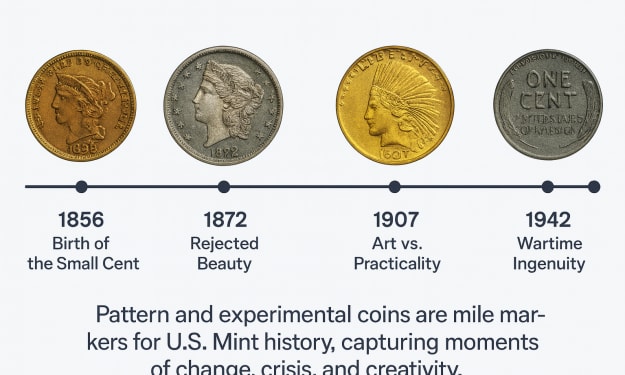
Rarely Seen: Experimental & Pattern U.S. Coins That Spark the Hobby
So, What Exactly Are These Coins? Let’s clear up the biggest confusion first. "Pattern" and "experimental" are related, but they’re not the same thing. Knowing the difference is your first step from curious collector to informed enthusiast.
By Laura Bennett4 days ago in Education
How to Make Money Online
A few years ago, earning money meant waking up early, traveling long distances, and working long hours for someone else’s dream. Today, the internet has changed everything. Content creation has opened a new digital path to freedom, allowing people to earn money online by sharing their ideas, skills, and creativity with the world.
By Bilal Mohammadi7 days ago in Education
The Blue Ridge Stalker
Tom had left the Ford down the way, its spark plugs finally exhausted and no mechanics for a dozen miles back through the foothills to Strossburg. No matter, he had worn his boots—almost as if he planned for this to happen. The puzzle he sought to solve emanated from the woods clinging to the slopes above; the valley behind held no mysteries.
By Stephen A. Roddewig3 days ago in Fiction



Comments
There are no comments for this story
Be the first to respond and start the conversation.