
The Impact of Social Networking on the Performance of Schools Nowadays
An In-Depth Exploration of the Advantages and Disadvantages of Social Networking in Education
Introduction:
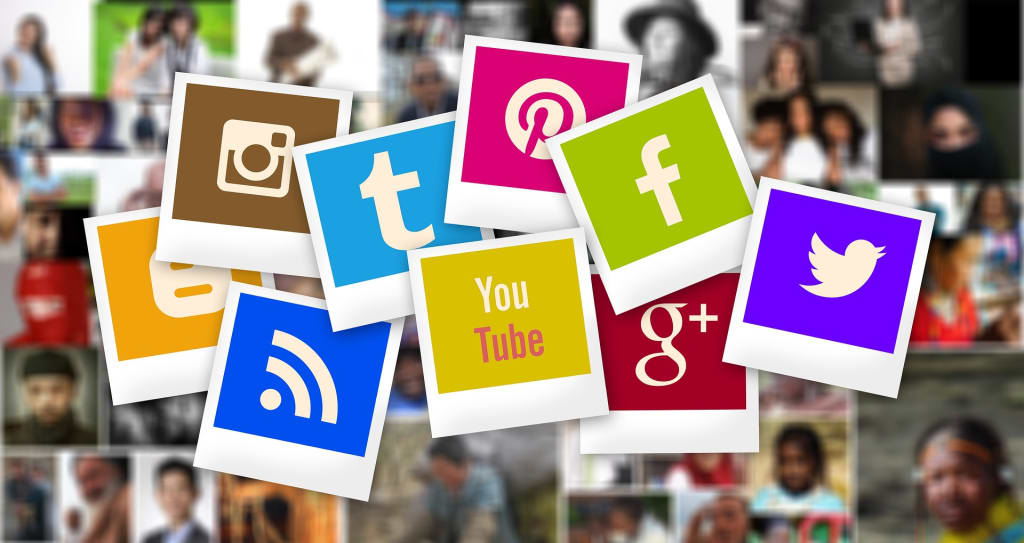
Social networking has become an integral part of modern-day life, with billions of people around the world using platforms like Facebook, Twitter, Instagram, and LinkedIn to connect with others, share information, and build communities. While social networking has many benefits, it has also raised concerns about its impact on education, particularly in schools. In this article, we will explore the influence of social networking on the performance of schools nowadays and examine the advantages and disadvantages of using social media in education.
Chapter 1: Advantages of Social Networking in Education
Social networking can offer many benefits for schools and students. It can enhance communication, collaboration, and engagement among students, teachers, and parents. It can also provide access to a wealth of educational resources and opportunities for students to connect with experts and professionals in various fields. Additionally, social networking can promote digital literacy and the development of important skills such as critical thinking, problem-solving, and creativity.
Chapter 2: Disadvantages of Social Networking in Education
While social networking has many advantages, it also poses several challenges for schools and students. One of the main concerns is the potential for distraction and reduced productivity, as students may spend too much time on social media instead of focusing on their studies. Another concern is the risk of cyberbullying and other online safety issues, which can have a negative impact on students' mental health and well-being. Additionally, social media can contribute to the spread of misinformation and fake news, which can undermine the quality of education.
Chapter 3: Social Networking and Academic Performance
The impact of social networking on academic performance is a subject of much debate. Some studies suggest that social media use can have a negative impact on academic performance, as it can lead to distraction and reduced study time. However, other studies have found that social media can have a positive impact on academic performance, as it can enhance engagement, collaboration, and information sharing among students. Additionally, social media can provide access to a wide range of educational resources and opportunities for learning.
Chapter 4: Social Networking and Teacher-Student Relationships
Social networking can also impact teacher-student relationships. On one hand, social media can enhance communication and collaboration between teachers and students, allowing for more personalized and effective instruction. It can also provide opportunities for students to connect with their teachers and receive support outside of the classroom. On the other hand, social media can blur the boundaries between personal and professional relationships, leading to ethical concerns and potential conflicts of interest.
Chapter 5: Social Networking and Parental Involvement
Social networking can also enhance parental involvement in education. It can provide parents with access to information about their child's education, such as grades, assignments, and upcoming events. Additionally, social media can provide a platform for parents to communicate with teachers and other school officials, allowing for more effective collaboration and support for their child's learning. However, social media can also contribute to a sense of over-involvement and micromanagement, which can be detrimental to students' development and independence.
Chapter 6: Social Networking and Digital Citizenship
One of the most important aspects of social networking in education is promoting digital citizenship. Digital citizenship involves teaching students how to be responsible, ethical, and safe online. This includes teaching students about online privacy, security, and appropriate behavior on social media. Social networking can provide opportunities for students to practice and develop these skills, as well as for schools to promote positive digital citizenship through policies and educational programs.
Conclusion:
Social networking has become an important part of modern education, offering many benefits and challenges for schools and students. While social media can enhance communication, collaboration, and engagement, it can also pose risks to students' academic performance, mental health, and well-being. Therefore, it is important for schools and educators to carefully consider the advantages and disadvantages of social networking in education and develop strategies to promote responsible and safe use of social media.
In order to maximize the benefits of social networking in education, schools and educators can implement policies and practices that support responsible social media use. For example, schools can provide guidelines for social media use, including recommendations for appropriate content, etiquette, and privacy settings. They can also educate students about online safety and responsible digital citizenship.
Furthermore, teachers can incorporate social media into their curriculum to promote engagement and collaboration among students. For example, social media platforms can be used to facilitate online discussions, group projects, and peer-to-peer learning. Teachers can also leverage social media to connect with other educators and professionals in their field, allowing them to stay up-to-date with the latest educational resources and trends.
In conclusion, social networking has the potential to greatly enhance education, but it also poses risks that must be carefully considered and managed. By promoting responsible and safe use of social media, schools and educators can help students develop the skills and knowledge they need to thrive in a digital world. With the right policies, practices, and strategies in place, social networking can become a powerful tool for enhancing learning and collaboration among students, teachers, and parents.
About the Creator
Manisha Garg
I have completed Bachelor's degree in Mass Communication, Advertisement & Journalism. I have worked at different industries (media, pictures, and performing arts) across India.The common key factor is I have excellent communication skills.
Keep reading
More stories from Manisha Garg and writers in Education and other communities.
The Art of Learning: Understanding the Best Learning Methods for Kids
Introduction: As a parent, you want the best for your child. You want them to excel academically, socially, and emotionally. However, learning can be a challenging task, especially for kids who struggle with attention, retention, or comprehension. The good news is that there are many effective learning methods that can help your child succeed. In this article, we will explore some of the best learning techniques for kids and how they can be incorporated into their daily lives.
By Manisha Garg3 years ago in Education
Half Dollars That Defied Time: Kennedy, Franklin & Walking Liberty
If you’ve found yourself holding an old half dollar, you’ve probably wondered: is this just pocket change, or could it be something more? I’ve had that same conversation with countless collectors in my eight years as a numismatist. The answer often hinges on three legendary names: Walking Liberty, Franklin, and Kennedy. More than just silver, these coins are tangible pieces of 20th-century America. This guide will help you understand their stories, values, and which one might be the perfect fit for your goals, whether you're building a collection or an investment.
By Laura Bennett4 days ago in Education
Rewiring Wellness: How Neuroscience Is Redefining the Mind-Body Connection in Therapy
In recent years, neuroscience has reshaped the understanding of how emotional and physical processes interact, offering therapists new insight into healing. The mind-body connection, once viewed as more philosophical than scientific, now has clear biological explanations. Studies show that thoughts, emotions, and physical sensations are deeply intertwined, influencing everything from stress responses to overall wellbeing. This knowledge is transforming modern therapeutic practices by providing clinicians with evidence-based tools that support integrated healing.
By Debra Bailey PHDabout 8 hours ago in Education




Comments
There are no comments for this story
Be the first to respond and start the conversation.