
The Impact of Climate Change on Global Health: A Growing Crisis
Climate Change on global health

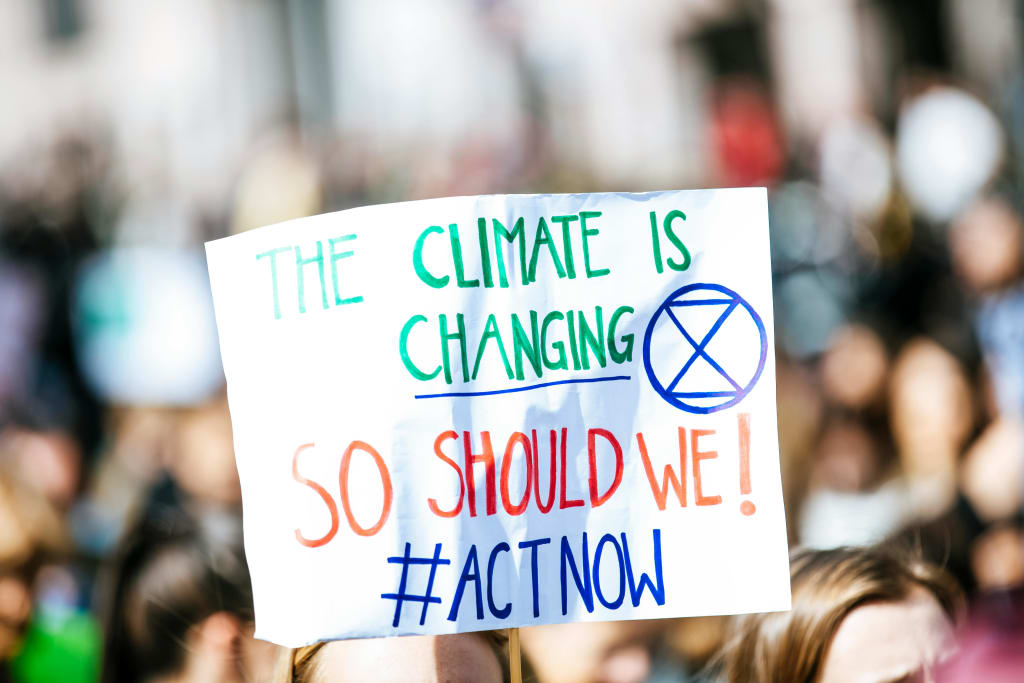
The Impact of Climate Change on Global Health: A Growing Crisis
Climate change is often discussed in terms of rising temperatures, melting glaciers, and extreme weather events. However, its consequences go far beyond environmental damage—it is increasingly recognized as one of the greatest threats to global public health in the 21st century. From heatwaves and air pollution to the spread of infectious diseases and food insecurity, the health impacts of climate change are widespread, interconnected, and deeply concerning.
Heatwaves and Rising Temperatures
As global temperatures continue to rise, more frequent and intense heatwaves are putting millions at risk. Prolonged exposure to extreme heat can cause heat exhaustion, heatstroke, dehydration, and exacerbate pre-existing cardiovascular and respiratory conditions. Older adults, children, and people with chronic illnesses are particularly vulnerable.
Urban areas, due to the "heat island effect," experience even higher temperatures, making city dwellers more susceptible to heat-related illnesses. In countries with limited access to cooling systems and medical care, the health burden is especially severe.
Air Pollution and Respiratory Illnesses
Climate change contributes to worsening air quality through increased levels of ground-level ozone and particulate matter, especially in urban and industrialized areas. These pollutants are linked to a rise in respiratory conditions such as asthma, chronic obstructive pulmonary disease (COPD), and lung cancer.
In many parts of the world, wildfires—exacerbated by drier conditions and hotter climates—release massive amounts of smoke and pollutants into the atmosphere. Inhaling this polluted air can cause acute respiratory issues and long-term lung damage, even in populations far from the fire zones.
Infectious Disease Spread
Changing climate patterns alter the habitats and breeding cycles of disease-carrying organisms such as mosquitoes, ticks, and rodents. As a result, vector-borne diseases like malaria, dengue fever, Zika virus, and Lyme disease are spreading to new regions that were previously unaffected.
Warmer temperatures and increased rainfall create ideal conditions for mosquitoes to thrive, expanding their range to higher altitudes and latitudes. Additionally, extreme weather events and poor sanitation after floods or droughts can increase outbreaks of waterborne diseases such as cholera and dysentery, particularly in low-resource settings.
Food Security and Nutrition
Climate change significantly impacts food systems and agriculture. Changes in temperature and rainfall patterns affect crop yields, reduce the nutritional quality of food, and disrupt supply chains. Prolonged droughts, unpredictable weather, and floods damage crops and reduce the availability of staple foods such as rice, wheat, and maize.
As a result, food insecurity is on the rise, leading to malnutrition, especially among children in vulnerable regions. Micronutrient deficiencies, stunted growth, and underweight conditions are becoming more common in areas affected by climate-induced food scarcity.
Moreover, livestock health and fisheries are also at risk. Warmer waters and ocean acidification affect fish populations, while drought and heat reduce the productivity of livestock farms, impacting protein sources for millions of people.
Mental Health Effects
The psychological toll of climate change is gaining attention among health professionals. Natural disasters such as hurricanes, floods, and wildfires can cause trauma, anxiety, depression, and post-traumatic stress disorder (PTSD). Displacement due to rising sea levels or environmental degradation further contributes to emotional distress and uncertainty.
The term **"climate anxiety"** has been coined to describe the chronic fear of environmental doom, especially among younger generations who are increasingly concerned about the planet's future. Mental health services, often underfunded and stigmatized, are struggling to keep up with the growing demand driven by climate-related stressors.
Displacement and Health Inequities
Climate change is a major driver of human displacement. Rising sea levels, desertification, and extreme weather events are forcing people to leave their homes in search of safer environments. These **climate refugees** often face poor living conditions, limited access to healthcare, and higher exposure to disease and malnutrition.
Importantly, climate change exacerbates existing health inequalities. Low-income countries and marginalized communities are disproportionately affected, despite contributing the least to global greenhouse gas emissions. Limited infrastructure, inadequate healthcare systems, and lower resilience make these populations especially vulnerable to health crises linked to climate change.
Healthcare Systems Under Strain
As climate-related health threats grow, healthcare systems around the world are being stretched thin. Facilities must prepare for increased patient loads during heatwaves, disease outbreaks, and natural disasters. This includes improving emergency response systems, increasing public health education, and investing in climate-resilient healthcare infrastructure.
Healthcare professionals must also be trained to recognize and treat climate-related illnesses, and global health policies must prioritize environmental sustainability.
The Path Forward: Mitigation and Adaptation
Addressing the health impacts of climate change requires both **mitigation**—reducing greenhouse gas emissions—and **adaptation**—preparing for and minimizing the damage of climate-related health threats.
Mitigation involves transitioning to renewable energy, improving public transportation, adopting sustainable agricultural practices, and protecting natural ecosystems. These measures not only slow climate change but also offer direct health benefits, such as cleaner air and improved diets.
Adaptation strategies include strengthening healthcare systems, developing early warning systems for extreme weather events, improving urban planning to reduce heat exposure, and ensuring food and water security. International cooperation, funding, and policy changes are essential to support vulnerable communities and build global resilience.
Conclusion
Climate change is not just an environmental crisis—it is a public health emergency. Its wide-ranging impacts on physical, mental, and social well-being make it one of the most urgent health challenges of our time. The choices we make today about energy, consumption, and global cooperation will shape the health of future generations.
Protecting the planet means protecting people. By addressing climate change head-on, we can reduce its devastating health consequences and build a healthier, more equitable world for all.
About the Creator
Azlan Qn
Passionate about promoting wellness and preventive care, I am dedicated to empowering individuals to lead healthier lives through education, balanced nutrition, regular physical activity, and mental well-being.
The Golden Pulse: Spain’s Luxury Revolution and the New Paradigm of 2026
For decades, the global luxury map was anchored by the historic maisons of Paris and the artisanal workshops of Milan. However, as we move through 2026, the narrative of high-end consumption has shifted significantly toward the Iberian Peninsula. Spain has emerged not just as a destination for sun and culture, but as a premier global hub for the Spain luxury goods industry. Driven by a resilient domestic affluent class, a record-breaking surge in high-net-worth tourism, and a unique blend of heritage craftsmanship and digital innovation, the Spanish luxury market has reached a historic valuation of over $7.4 billion this year. This "Spanish Renaissance" in luxury is defined by a shift from mere status symbols to "Experiential Value," where the soul of the product and the ethics of the brand are as important as the price tag.
By Neeraj kumar4 days ago in Education
One Unchecked Box
"Republished" because it was the only way to add the embed for the newly recorded audio version of this story due to the Top Story badge. Plus it serves as a nice, informal announcement of the podcast's revival for another season (go subscribe!):
By Stephen A. Roddewig6 days ago in Fiction


Comments
There are no comments for this story
Be the first to respond and start the conversation.