
The Impact of Celebrity Culture on Society
How Fame, Influence, and Consumerism Shape Modern Society

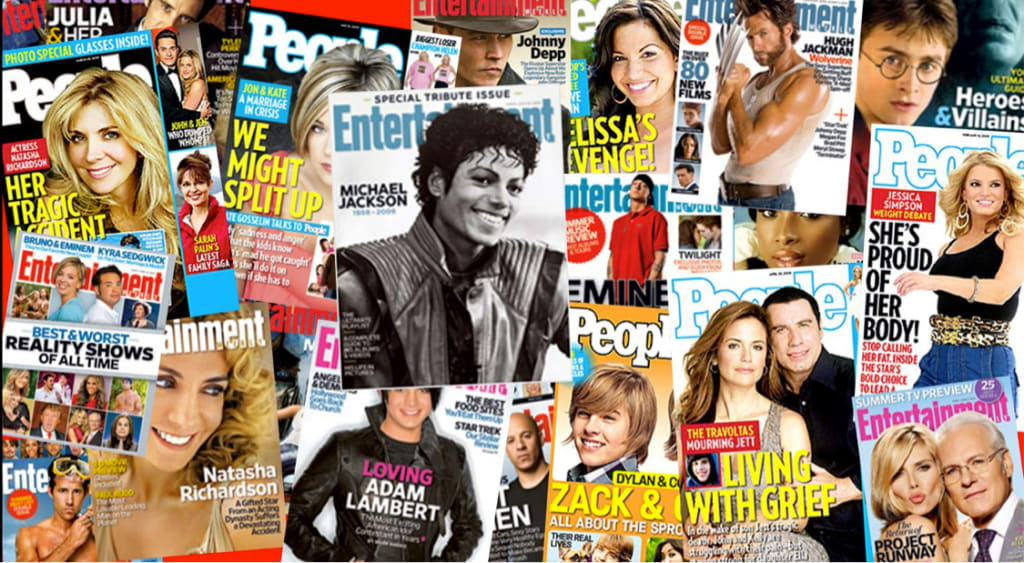
In the modern world, celebrity culture has become a pervasive and influential force that shapes the way we think, act, and interact with each other. Celebrities, once seen as rare and distant figures, have now become integral to daily life through the rise of social media, reality TV, and 24/7 news cycles.
From movie stars and musicians to influencers and athletes, the power of celebrity has grown exponentially, leading to significant changes in how we view fame, success, and identity. While celebrity culture offers both positive and negative aspects, its impact on society cannot be denied, influencing everything from consumer behavior to political opinions, body image, and societal values.
One of the most immediate effects of celebrity culture is the way it shapes our perception of success and achievement. In an age where social media platforms like Instagram, Twitter, and TikTok allow celebrities to connect directly with their followers, the public is constantly exposed to a curated version of their lives.
Celebrities often showcase their wealth, beauty, and success, creating an idealized image of what it means to “make it” in life. This representation of success has a profound influence on young people, who may internalize these ideals as the standard to aspire to. In this way, the pursuit of fame and fortune becomes an overriding goal for many, often overshadowing more traditional measures of success like education, personal fulfillment, or contribution to society.
This phenomenon is particularly evident among teenagers and young adults, who are still in the process of forming their identities. Studies have shown that young people often model their behavior, aspirations, and self-image after the celebrities they admire. The pressure to emulate these figures can be overwhelming, leading some to make life choices based on the desire to replicate the perceived glamour of celebrity life.
This has led to a rise in body image issues, as the focus on appearance becomes more pronounced. Social media filters and photo-editing apps allow celebrities to present a flawless image, but this creates unrealistic beauty standards that many followers strive to achieve, often with harmful consequences.
The impact of celebrity culture on body image is especially concerning when considering the rise of influencer culture. Social media influencers, often individuals who have gained fame through platforms like YouTube or Instagram, have the ability to shape trends and influence their followers’ views on everything from fashion to fitness to beauty. While some influencers use their platforms to promote body positivity and self-love, others perpetuate unattainable beauty standards by promoting extreme dieting or surgical enhancements.
This has sparked a wider conversation about the ethics of influencer culture and its responsibility to its audience. Many influencers now face calls for more transparency, encouraging them to be honest about the realities behind their seemingly perfect lives.
In addition to shaping beauty standards, celebrity culture has also had a significant effect on consumer behavior. Celebrities are often the face of advertising campaigns, endorsing everything from clothing brands to luxury cars to skincare products.
The power of celebrity endorsements cannot be overstated, as studies consistently show that consumers are more likely to purchase products that are associated with famous figures. The “halo effect” occurs when people ascribe positive attributes to a product simply because it is endorsed by a celebrity.
This phenomenon is particularly effective in the age of social media, where influencers and celebrities can engage in direct promotion of products to millions of followers. Whether through sponsored posts, product placements, or collaborations, celebrities are key players in driving consumer demand and shaping market trends.
Celebrity culture also plays a role in the political sphere. Over the past few decades, more celebrities have used their platforms to speak out on political and social issues. This can be seen as both a positive and negative development. On the one hand, celebrities have the ability to bring attention to important causes, from racial equality to climate change to mental health awareness.
The widespread popularity of celebrities means that they can amplify important messages to a global audience. For example, when athletes like Colin Kaepernick took a knee during the national anthem to protest racial injustice, it sparked nationwide conversations and raised awareness of systemic racism in America.
On the other hand, celebrity involvement in politics can also be problematic. Some argue that celebrities lack the necessary expertise to weigh in on complex political issues and that their opinions may be driven more by self-interest or media attention than a genuine desire to affect change.
The rise of celebrity politicians, such as former reality TV star Donald Trump’s presidency, exemplifies this phenomenon. While some may view a celebrity’s political platform as a fresh perspective, others argue that the emphasis on fame rather than experience undermines the seriousness of political office and governance.
Beyond politics, celebrity culture has contributed to the rise of “cancel culture,” a phenomenon where public figures are publicly shamed or boycotted for behaviors or statements deemed offensive or inappropriate. While cancel culture has been hailed as a way to hold celebrities accountable for their actions, it has also been criticized for its often unforgiving nature.
The speed at which public opinion shifts, fueled by social media, means that celebrities can be “canceled” before they have a chance to respond or apologize. This has sparked debates about the balance between accountability and forgiveness and the power of the public to shape the careers of celebrities.
While the influence of celebrity culture is undeniably vast, it is important to recognize that its impact is not always negative. Celebrities who use their platform for positive change whether by supporting charitable causes, promoting mental health awareness, or advocating for social justice can inspire millions of people to take action.
Celebrities like Leonardo DiCaprio, Emma Watson, and Rihanna have used their fame to bring attention to issues such as environmental sustainability, gender equality, and global poverty. By leveraging their status for good, they set an example of how fame can be used as a tool for positive influence.
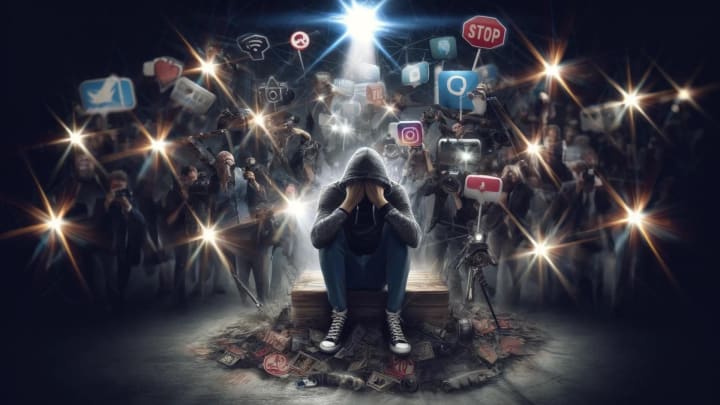
Ultimately, the impact of celebrity culture on society is complex and multifaceted. While it can contribute to unrealistic beauty standards, consumerism, and political polarization, it can also inspire positive change and raise awareness of important social issues.
The rise of social media and influencer culture has amplified both the positive and negative aspects of celebrity, making it a powerful force in modern life. As society continues to navigate the influence of celebrity culture, it will be important to remain critical of its effects while also acknowledging the ways in which it can be used for good. The key is finding a balance between admiration for celebrities and the recognition that real value comes from authenticity, hard work, and meaningful contributions to society.
About the Creator
Nora Ariana
Empowering through stories and sound igniting purpose, sparking growth, and awakening the power within.
Keep reading
More stories from Nora Ariana and writers in Education and other communities.
A goal is a dream with a deadline
A goal is a dream with a deadline. This powerful quote reminds us that without action, dreams remain just that wishes floating in our imagination. But when we set a timeline and commit to achieving them, they evolve into goals, bringing clarity, direction, and purpose. Many people go through life holding on to dreams, hoping they will come true someday. But someday is not a day on the calendar. Dreams without structure often fade with time or get buried under the weight of daily responsibilities. Turning a dream into a goal is what separates those who achieve from those who continue to wish.
By Nora ArianaExclusive • 9 months ago
Where Ownership Meets Impact: Exploring the Powerful Connection Between Equity and Giving
The relationship between equity and philanthropy in modern society reflects a growing awareness that wealth, ownership, and social responsibility are deeply interconnected. As economic systems evolve, individuals and organizations are increasingly recognizing that equity is not only a financial instrument but also a powerful lever for positive change. Philanthropy, once seen as separate from ownership and investment, is now being shaped by equity-driven thinking that prioritizes long-term impact over short-term relief.
By John Olin Killgore4 days ago in Education
Why MEP BIM Is Essential for Modern Commercial Construction
Modern commercial construction projects are defined by density, complexity, and risk. Mechanical, electrical, and plumbing (MEP) systems now consume a significant portion of construction budgets and coordination effort, especially in sectors such as healthcare, data centers, mixed-use developments, airports, and large commercial facilities.
By Matt Sharon3 days ago in Education


Comments
There are no comments for this story
Be the first to respond and start the conversation.