
The HRM System: Powering People, Driving Productivity
HRM System

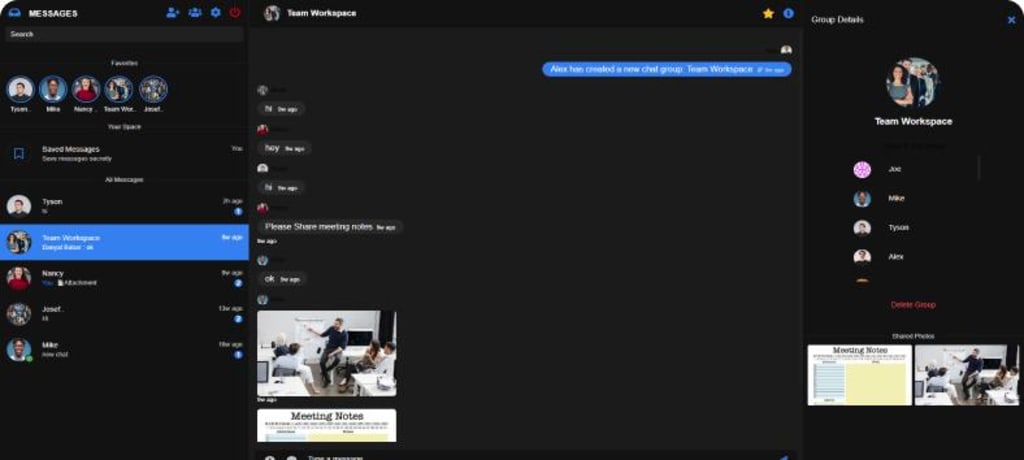
In today’s hyper-connected and rapidly evolving business world, organizations are facing growing pressure to remain agile, efficient, and employee-centric. Among the many tools enabling this transformation, the Human Resource Management System (HRM System) stands out as a critical pillar for sustainable growth.
Far from being just a digital filing cabinet or a payroll processor, a modern HRM system plays a strategic role in shaping workplace culture, enhancing employee satisfaction, and enabling leaders to make informed, data-backed decisions. It’s not an overstatement to say that the future of work is powered by smart, integrated HR systems.
Understanding the HRM System: A Digital Backbone for HR
At its core, an HRM system is a software solution that brings together various human resource functions under one digital umbrella. It replaces manual processes, improves efficiency, and ensures that HR professionals and organizational leaders can focus on people, not paperwork.
Core Modules of an HRM System
Most robust HRM systems offer a wide range of functionalities, including but not limited to:
Employee Information Management: Centralized, easily accessible employee data with role-based permissions.
Recruitment and ATS: Streamlined hiring with job postings, resume tracking, interview scheduling, and candidate databases.
Time and Attendance: Real-time tracking of work hours, leaves, overtime, and shift planning.
Payroll and Compensation: Automated salary calculations, tax management, bonuses, and deductions.
Performance Reviews: Tools for setting KPIs, conducting evaluations, and offering feedback loops.
Training and Development: LMS (Learning Management System) integration for upskilling and reskilling employees.
HR Analytics: Reports and dashboards to visualize data trends in hiring, attrition, engagement, and more.
Self-Service Portals: Empowering employees to update personal info, apply for leave, view payslips, and track performance.
These integrated tools eliminate data silos, improve interdepartmental communication, and build transparency across the organization.
Why Every Modern Business Needs an HRM System
In today’s competitive business environment, the absence of an HRM system can significantly hamper efficiency and morale. Companies that continue to rely on spreadsheets or fragmented tools may find themselves falling behind in employee satisfaction and regulatory compliance.
Here’s why an HRM system is essential for modern businesses:
1. Increased Operational Efficiency
HR departments spend a large portion of their time on administrative tasks. A good HRM system automates these activities, freeing up time for strategic initiatives like leadership development, diversity and inclusion, and employee wellness programs.
For instance, generating monthly payslips manually for 100+ employees can take days. With an HRM system, it takes minutes—with built-in accuracy and tax compliance.
2. Stronger Decision-Making
Access to real-time data allows HR leaders to make informed decisions about promotions, team structure, and talent acquisition. Dashboards and predictive analytics provide insight into trends such as employee turnover, absenteeism, and hiring bottlenecks.
This helps organizations shift from reactive to proactive HR management.
3. Better Employee Experience
Employees expect consumer-grade experiences in the workplace—intuitive apps, mobile access, and transparency. An HRM system allows them to:
Submit leave requests digitally
Access policies and documents on-demand
Check performance metrics
Enroll in training programs
This self-service approach enhances trust and reduces dependency on HR for everyday needs.
4. Regulatory Compliance
Whether it’s tax law, labor regulations, or workplace safety standards, compliance is non-negotiable. HRM systems help track changes in policies and ensure documentation is updated, signed, and auditable.
Automatic reminders for visa renewals, contract expiries, or health insurance enrollment also reduce compliance risks.
5. Supports Remote and Hybrid Teams
With the rise of hybrid and remote work models, a cloud-based HRM system enables employees and HR professionals to collaborate seamlessly across time zones and locations. It ensures consistent policy enforcement, performance monitoring, and communication, no matter where your team is based.
Real-World Impact: How HRM Systems Transform Organizations
Let’s go beyond features and explore how HRM systems truly transform the workplace environment. These aren't just operational tools—they're enablers of strategic success.
Smarter Hiring and Onboarding
Top talent is hard to find—and harder to retain. A modern HRM system speeds up recruitment through AI-powered applicant tracking, reducing the time-to-hire and improving the candidate experience. Once hired, onboarding becomes automated with checklists, documentation, and training modules that ensure a smooth transition for new hires.
Boost in Employee Engagement
Engaged employees are more productive, loyal, and innovative. HRM systems support regular feedback, recognition tools, career path planning, and survey modules that keep employees connected and valued.
Some platforms even offer wellness tracking, pulse surveys, and internal social networks that foster stronger organizational culture.
Agile Performance Management
Gone are the days of once-a-year performance reviews. HRM systems enable continuous performance management with real-time feedback, goal tracking (OKRs), and peer reviews. Managers can better align individual contributions with company objectives and take timely action to improve performance.
Enhanced Training & Upskilling
The modern workforce craves growth. HRM systems allow HR teams to assign and track training courses, certifications, and personalized learning paths. Employees can access these on demand—fostering a culture of continuous improvement.
Reduction in HR Costs
By automating routine tasks, reducing manual errors, and improving productivity, HRM systems contribute to significant cost savings. Moreover, analytics help forecast staffing needs more accurately, reducing overstaffing or reactive hiring.
Choosing the Right HRM System: Key Considerations
With hundreds of options available, selecting the right HRM software requires careful planning. Here are some essential considerations:
Scalability: Will the system support your team as it grows?
Mobile Compatibility: Is there a mobile app for on-the-go employees and managers?
Customization: Can you adapt the workflows, fields, and features to your company’s unique needs?
Integration: Does it connect with your existing systems like accounting software, Slack, Microsoft Teams, or CRM?
Security & Data Privacy: Does it meet industry standards for data protection (e.g., GDPR, ISO)?
Customer Support: Is there ongoing support, onboarding help, and a knowledge base?
Top Global HRM Platforms:
BambooHR – Great for SMBs
Workday – Best for large enterprises
Zoho People – Affordable and customizable
SAP SuccessFactors – Comprehensive suite for global companies
Popular HRM Systems in South Asia and MENA:
Manxel
SiftaK HR
HRMTRAQ
Bayzat (UAE)
Final Thoughts: HRM Systems as a Strategic Investment
Investing in an HRM system is no longer about keeping up with trends—it’s about ensuring that your business has the tools to thrive in an increasingly complex world. HR is no longer a back-office function; it's a core driver of business success.
From enhancing internal operations to elevating the employee experience, a well-implemented HRM system aligns your people strategy with your business goals. As companies face rapid technological change, talent shortages, and evolving workplace dynamics, the organizations that invest in intelligent HR systems will be the ones best prepared to adapt—and lead.
If you want your business to operate smarter, grow faster, and engage employees more deeply, the HRM system isn’t just an option—it’s a necessity
About the Creator
Ejaz Hussain
Email marketing | SEO |Blog
Keep reading
More stories from Ejaz Hussain and writers in Education and other communities.
The HRM System: Powering People, Driving Productivity
In the digital age, the heart of any successful organization beats within its workforce. As businesses expand and competition intensifies, managing human resources effectively has evolved into a strategic priority. This is where a Human Resource Management (HRM) System steps in—not merely as a software tool, but as a game-changer for organizations aiming to streamline operations, boost employee satisfaction, and enhance productivity.
By Ejaz Hussain7 months ago in Education
Designing a Meaningful Future: Strategic Planning for Mission-Focused Entrepreneurs
In today’s evolving business landscape, entrepreneurs are increasingly motivated by more than financial success. Many are building companies around a mission to create social, environmental, or community-driven impact. While passion and vision ignite these ventures, strategic planning transforms purpose into a lasting, scalable business. For mission-focused entrepreneurs, planning is not about restriction but about clarity, alignment, and sustainable growth.
By Mario Payne4 days ago in Education
Digital Signage Solutions Supporting Communication in Schools
I still remember the chaos of my first week as a communications coordinator at a mid-sized university. Between emergency alerts that never reached students, event posters peeling off bulletin boards, and faculty members who couldn't find the right room for meetings, I realized our campus communication system was stuck in the 1990s. That experience changed how I think about information flow in educational settings.
By Jerry Kane 6 days ago in Education
Ludacris and Nelly draw backlash over bookings at MAGA-coded music festival
Ludacris and Nelly headlining a mostly right-wing event is good for them. It’s also great for the genre of hip hop. The two rap veterans have showcased their talents on other stages. Why can’t they perform for mostly MAGA folks and grab that bag?
By Skyler Saunders6 days ago in Beat



Comments
There are no comments for this story
Be the first to respond and start the conversation.