
The HRM System: Powering People, Driving Productivity
HRM System

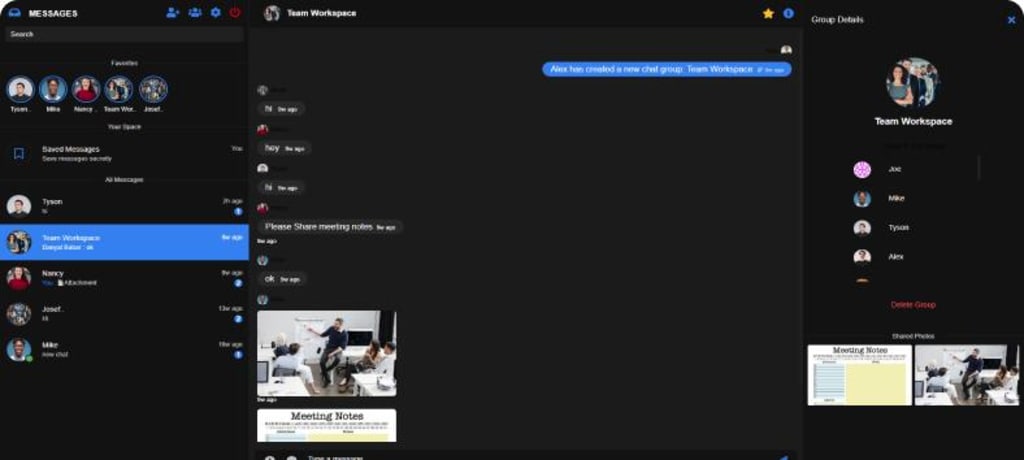
In the digital age, the heart of any successful organization beats within its workforce. As businesses expand and competition intensifies, managing human resources effectively has evolved into a strategic priority. This is where a Human Resource Management (HRM) System steps in—not merely as a software tool, but as a game-changer for organizations aiming to streamline operations, boost employee satisfaction, and enhance productivity.
This article explores the significance, features, and transformative impact of an HRM system in modern organizations.
Understanding the HRM System: A Digital Backbone for HR
An HRM system, also referred to as a Human Resource Management System or HRMS, is an integrated suite of tools that automates and supports HR functions. These functions range from hiring and onboarding to payroll processing, performance tracking, employee self-service, and compliance management.
Traditionally, HR departments were burdened with paperwork, repetitive tasks, and decentralized data. But today's HRM systems offer a centralized platform where HR professionals, managers, and employees can interact efficiently. This shift from manual to automated processes has redefined how HR teams operate.
The core components of a typical HRM system include:
Recruitment and onboarding: Automates job postings, resume screening, interview scheduling, and new employee orientation.
Employee records management: Stores detailed employee data securely and allows instant access when needed.
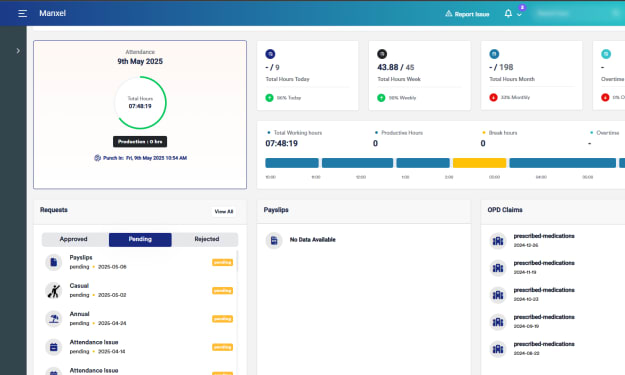
Attendance and leave tracking: Monitors time logs, shift schedules, vacation days, and sick leaves.
Payroll and benefits administration: Streamlines salary calculations, deductions, and benefit disbursements with full compliance.
Performance management: Facilitates goal setting, appraisals, and feedback loops between employees and managers.
Learning and development: Tracks training programs, certifications, and skill enhancements.
These features empower HR teams to become more strategic by reducing their administrative load and allowing them to focus on talent development, organizational culture, and employee engagement.
Why Every Modern Business Needs an HRM System
The implementation of an HRM system is no longer a luxury; it's a necessity—especially for growing organizations with diverse teams and dynamic workflows. Here’s why:
1. Operational Efficiency
An HRM system automates repetitive tasks like attendance tracking, payroll processing, and data entry. This not only speeds up HR workflows but also minimizes errors and redundancies, allowing the department to function more efficiently.
2. Data-Driven Decisions
HRM systems provide advanced analytics and reporting features that help managers make informed decisions. From turnover rates to employee satisfaction scores and performance metrics, data plays a key role in shaping workforce strategies.
3. Improved Employee Experience
With features like employee self-service portals, mobile access, and automated workflows, HRM systems empower employees to manage their own profiles, apply for leave, view payslips, and access policy documents without relying on HR staff. This autonomy builds trust and boosts morale.
4. Compliance and Risk Management
Labour laws and tax regulations vary across regions and change frequently. An HRM system keeps businesses compliant by updating legal requirements in real time, reducing the risk of fines and legal disputes.
5. Scalability
Whether a company has 50 or 5,000 employees, an HRM system can scale to meet its needs. As businesses grow, the system can handle the increasing complexity of HR processes without compromising performance.
Real-World Impact: How HRM Systems Transform Organizations
Organizations that adopt a modern HRM system often witness a cultural shift toward digital efficiency and proactive management. Here's how such systems create long-term value:
Enhanced Talent Acquisition
A robust HRM system simplifies the hiring process by offering applicant tracking, AI-powered candidate screening, and centralized communication. This leads to faster recruitment cycles and higher quality hires.
Smoother Onboarding
First impressions matter. An HRM system can guide new hires through a structured onboarding experience, providing access to company policies, training modules, and required documentation. This improves engagement and retention from day one.
Smarter Workforce Planning
With access to accurate, real-time data on headcount, skills, and productivity, HR leaders can anticipate workforce needs and plan accordingly. This agility helps companies respond to market changes with the right talent in place.
Consistent Performance Management
Continuous feedback, goal tracking, and performance appraisals become easier with an HRM system. Employees are more likely to stay motivated and aligned with company objectives when they receive timely recognition and clear development paths.
Better Retention Strategies
By analyzing exit interviews, engagement surveys, and turnover data, HRM systems help organizations identify patterns and address employee concerns proactively. This leads to stronger retention strategies and reduced hiring costs.
Choosing the Right HRM System: What to Look For
Not all HRM systems are created equal. When selecting a platform, businesses should consider several factors:
Ease of use: A user-friendly interface is essential to ensure high adoption among employees.
Customization: Each organization has unique HR needs, so flexibility in workflows and modules is important.
Integration: The system should seamlessly integrate with other software such as accounting tools, ERP systems, or productivity platforms.
Cloud-based vs. on-premise: While cloud-based systems offer flexibility and lower upfront costs, on-premise systems provide more control over data security.
Vendor support: Reliable customer service and training resources can make a big difference during implementation and beyond.
Some leading HRM systems in the global market include SAP SuccessFactors, Workday, BambooHR, and Zoho People. In Pakistan, popular options include SIFTAK HR, PeopleQlik, and HRMTRAQ.
Conclusion: HRM Systems as Catalysts for Growth
In a world where people are a company’s most valuable asset, investing in a robust HRM system is not just about efficiency—it’s about strategic growth. By automating routine tasks, improving transparency, and delivering valuable insights, HRM systems allow businesses to unlock the full potential of their workforce.
As organizations continue to embrace remote work, global hiring, and hybrid teams, the importance of a centralized and intelligent HR system becomes even more critical. Whether you're a startup building your first team or an established enterprise optimizing your HR practices, the right HRM system can be your competitive edge in the modern business landscape.
About the Creator
Ejaz Hussain
Email marketing | SEO |Blog
Keep reading
More stories from Ejaz Hussain and writers in Education and other communities.
Human Resource Management System: A Modern Necessity
In today’s dynamic and digital-first business environment, the phrase “people are an organization’s most valuable asset” holds more truth than ever. With evolving workspaces, hybrid models, and global teams, businesses must prioritize efficient workforce management. Enter the Human Resource Management System (HRMS)—a digital solution that has transitioned from a luxury to a necessity for modern organizations.
By Ejaz Hussain7 months ago in Education
From Despair to Hope: How Animal Rescue Efforts Rebuild Broken Lives
Animal rescue efforts stand as a powerful response to suffering that often goes unseen. Across towns, cities, and rural areas, animals face neglect, abandonment, injury, and fear every day. Many are left without food, shelter, or medical care. Others are harmed by abuse or natural disasters. Without help, their future is uncertain. Through patience, care, and action, animal rescue efforts transform despair into hope and give animals the chance to heal and live safely.
By Brenda McGrane7 days ago in Education
How to Gain Real Work Experience in Wealth Management
Breaking into wealth management can feel confusing at first. Many roles ask for experience, but it is not always clear how to get it. The good news is that real wealth management work experience comes from action, not just titles. With the right approach, you can build skills, credibility, and confidence before landing a full-time role.
By John Lennox Cummings6 days ago in Education
So You Decided To Become a Nurse Practitioner:
So you decided to become an "Advanced Practice" nurse. Congratulations!... is what I would say if this was a good idea. Grad school? In this economy? What were you thinking? Likely it was something along the lines of either 1) “I've seen these other chucklefucks do it— Why can't I?” or even 2) “I've got a nice career, I should shake it up. I miss feeling like I have no clue what I'm doing.”
By Sandor Szabo4 days ago in Fiction


Comments
There are no comments for this story
Be the first to respond and start the conversation.