
Human Resource Management System: A Modern Necessity
HRM System

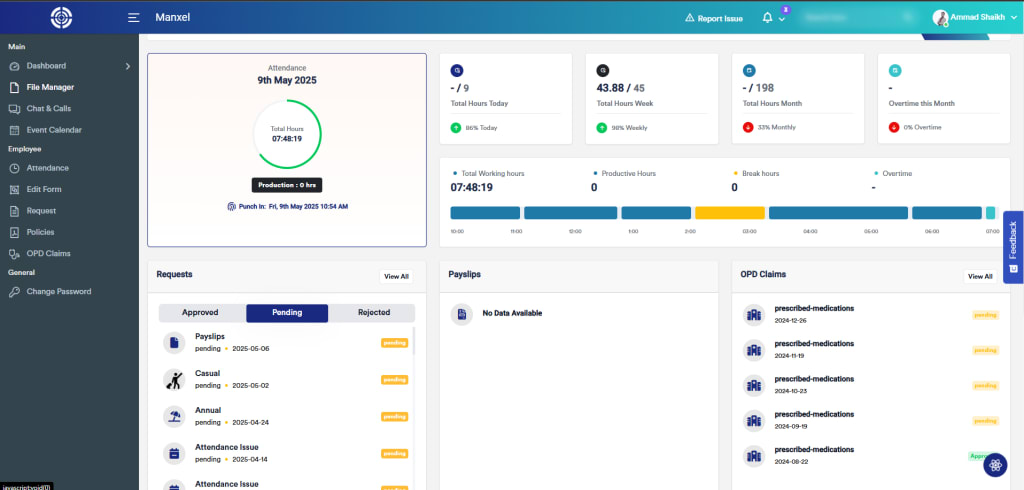
In today’s dynamic and digital-first business environment, the phrase “people are an organization’s most valuable asset” holds more truth than ever. With evolving workspaces, hybrid models, and global teams, businesses must prioritize efficient workforce management. Enter the Human Resource Management System (HRMS)—a digital solution that has transitioned from a luxury to a necessity for modern organizations.
Whether you’re a startup managing a small team or a multinational enterprise with thousands of employees, implementing an HRMS can drastically streamline your human resources processes, elevate employee experience, and ultimately improve business productivity. This blog explores why the HRMS is no longer optional but essential for success in the modern era.
A Human Resource Management System (HRMS) is a software application that combines multiple HR functions into one package. It automates and simplifies core HR activities such as payroll, recruitment, attendance, employee performance, and benefits administration. These systems help HR professionals shift from mundane administrative tasks to more strategic initiatives like talent development, employee engagement, and organizational planning.
Depending on the provider, an HRMS may include modules for:
* Recruitment and onboarding
* Time and attendance tracking
* Payroll management
* Benefits and compensation
* Performance evaluation
* Training and development
* Employee self-service
* Compliance and analytics
---
### **Why Traditional HR Methods Are Failing**
Manual HR processes—spreadsheet management, paper forms, email follow-ups—are becoming obsolete. They are time-consuming, error-prone, and not scalable. As organizations grow, so do the complexities of managing people and processes. Traditional methods:
* **Lack accuracy**: Manual data entry increases the risk of errors in payroll, attendance, and compliance.
* **Consume time**: Administrative tasks take away time that HR could spend on strategic goals.
* **Are not employee-centric**: They often leave employees disengaged due to lack of transparency and slow communication.
* **Offer no real-time insights**: Without centralized data, HR managers struggle to make timely decisions.
In contrast, an HRMS offers real-time data access, process automation, and a better user experience for both HR professionals and employees.
---
### **The Business Case for an HRM System**
Here are the compelling reasons why an HRM system is a necessity for every forward-thinking organization:
---
#### 1. **Efficiency Through Automation**
Routine tasks like employee data entry, leave approvals, payroll processing, and attendance tracking can be automated through an HRMS. This reduces the administrative burden on HR teams and minimizes errors. Automated workflows ensure timely communication, approvals, and documentation—helping your HR department function like a well-oiled machine.
---
#### 2. **Centralized Employee Data**
HRMS acts as a centralized repository for all employee-related information. From contact details and contracts to performance reviews and training history—everything is stored and accessible in one place. This facilitates easy access to information, ensures data accuracy, and improves collaboration between departments.
---
#### 3. **Improved Compliance and Risk Management**
Labor laws, tax regulations, and compliance requirements vary by region and are subject to frequent changes. HRMS solutions often include built-in compliance features, such as automatic tax calculations, audit logs, and alerts for document expiration. These features help businesses stay compliant and avoid costly penalties.
---
#### 4. **Enhanced Recruitment and Onboarding**
An HRMS can optimize the entire recruitment cycle—from posting job openings and screening resumes to scheduling interviews and onboarding new hires. New employees can complete onboarding forms, access training materials, and get integrated into the team faster through digital workflows. This improves the candidate experience and accelerates productivity.
---
#### 5. **Real-Time Analytics for Better Decision Making**
Modern HRMS platforms offer powerful dashboards and reporting tools that provide insights into workforce trends, absenteeism, turnover rates, and performance metrics. With access to real-time data, HR managers can make informed decisions on hiring, resource allocation, employee engagement strategies, and training needs.
---
#### 6. **Employee Empowerment through Self-Service Portals**
An HRMS allows employees to manage their own profiles, apply for leave, download payslips, access training modules, and update personal information—all without having to go through HR for every request. This self-service functionality not only empowers employees but also enhances their engagement and satisfaction.
---
#### 7. **Scalability and Customization**
As your organization grows, so do your HR needs. A robust HRMS grows with you, allowing you to add new modules or features as required. Whether you expand into new geographies or double your workforce, a scalable HRMS ensures your HR operations remain smooth and organized.
---
### **How HRMS Improves Organizational Culture**
Beyond the operational benefits, an HRMS plays a vital role in shaping a positive workplace culture. Features like performance tracking, goal setting, and employee recognition help foster accountability and motivation. Open communication channels through feedback tools and surveys encourage transparency and trust. A tech-enabled HR function also signals to employees that the organization values innovation and efficiency.
---
### **HRMS in the Remote and Hybrid Work Era**
The COVID-19 pandemic permanently changed the way we work. Remote and hybrid work models are now standard in many industries. Managing a distributed workforce manually is extremely challenging. An HRMS provides the digital infrastructure necessary for:
* **Remote onboarding and training**
* **Cloud-based attendance and time tracking**
* **Virtual performance appraisals**
* **Online surveys and feedback**
* **Digital document management**
This ensures continuity in HR operations regardless of where employees are located.
---
### **Choosing the Right HRMS for Your Business**
Not all HRMS solutions are created equal. The right system depends on your organization’s size, industry, budget, and specific HR needs. When evaluating options, consider the following factors:
* **Ease of use**: A user-friendly interface is critical for adoption across all levels of the organization.
* **Integration capabilities**: The system should integrate with your existing tools such as payroll, accounting, and CRM.
* **Customization**: Choose a system that allows customization based on your processes and workflows.
* **Security**: Ensure the system complies with data privacy regulations and has robust security protocols.
* **Support and training**: Vendor support, tutorials, and customer service should be readily available.
Popular HRMS platforms include BambooHR, Zoho People, Workday, ADP, Gusto, and SAP SuccessFactors—each offering unique features tailored to different business needs.
---
### **The Future of HRMS: AI and Beyond**
The future of HRMS lies in artificial intelligence and machine learning. These technologies are already transforming HR processes by enabling:
* **Predictive analytics** for attrition and hiring trends
* **Chatbots** for instant employee support
* **AI-based resume screening** to reduce bias
* **Personalized learning paths** through intelligent training recommendations
As HRMS platforms evolve, they will become even more intuitive, data-driven, and integrated with other business systems, empowering HR teams to become strategic partners in business success.
---
Conclusion: HRMS is Not an Option—It’s a Strategic Imperative**
In a competitive and talent-driven marketplace, businesses can no longer afford to treat HR as an afterthought. A Human Resource Management System is a strategic asset that streamlines HR operations, enhances employee experience, and drives organizational success. Investing in an HRMS is not just about improving efficiency—it’s about building a future-ready workforce and culture.
If you haven’t yet implemented an HRMS in your organization, now is the time to consider it. The future of work is digital, and your HR department should be leading that transformation—not lagging behind.
?
About the Creator
Ejaz Hussain
Email marketing | SEO |Blog
Keep reading
More stories from Ejaz Hussain and writers in Education and other communities.
The Strategic Role of HRMS in Modern Organizations
Human Resource Management System: A Modern Necessity** In today’s fast-paced, digitally driven world, businesses are expected to operate with precision, efficiency, and agility. At the heart of every organization lies its most valuable asset—its people. Managing human capital effectively is no longer a back-office function; it is a strategic priority. This is where a **Human Resource Management System (HRMS)** becomes not just beneficial, but essential.
By Ejaz Hussain9 months ago in Education
The Impact of Virtual Reality on Healthcare Innovation and Medical Practice
Virtual reality is steadily transforming the healthcare industry by offering immersive digital environments that support medical education, treatment planning, and patient care. Unlike traditional tools, VR allows healthcare professionals to interact with highly detailed simulations that replicate real medical situations. These interactive experiences provide opportunities for learning and preparation that were previously difficult to achieve through conventional training methods.
By Alex Kipman4 days ago in Education
Why the Sun Will Become a Red Giant: The Future of Our Solar System Explained
Every morning, the Sun rises as it has for billions of years, bathing Earth in light and warmth. To us, it feels permanent and unchanging. Yet in the vast timeline of the universe, the Sun is only halfway through its life.
By shahkar jalala day ago in Education




Comments
There are no comments for this story
Be the first to respond and start the conversation.