
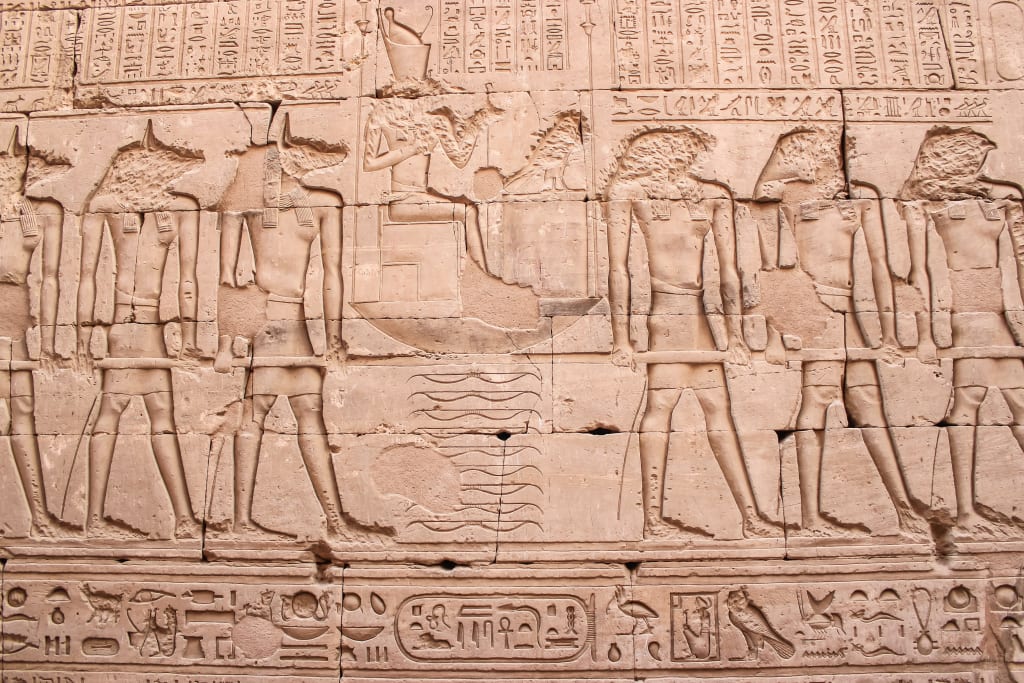
The history of giants is a long and fascinating one. From ancient mythology to modern pop culture, giants have continued to capture our imaginations. Whether they are seen as symbols of strength or as mysterious and intimidating figures, the enduring presence of giants in our stories is a testament to their enduring appeal.
In many cultures, giants were seen as a symbol of strength and power. They were often depicted as towering figures who could move mountains and shape the landscape. In some cultures, giants were also associated with the elements, such as fire or water.
The idea of giants also played a significant role in medieval folklore. In Britain, the legend of the giant Gogmagog was a popular tale. According to the story, Gogmagog was the last of a race of giants who lived in Albion (the ancient name for Britain). He was defeated in battle by the Trojan warrior Corineus and thrown from a cliff into the sea.
Giants also appeared in literature, such as in the classic tale of Jack and the Beanstalk. In this story, Jack trades his cow for magic beans that grow into a massive beanstalk, leading him to a giant’s castle in the clouds.
In more recent times, giants have been featured in popular culture, such as in the movie adaptation of Roald Dahl’s book, The BFG (Big Friendly Giant).
But why have stories of giants endured for so long? One explanation could be that they represent the unknown and the mysterious. The idea of a giant, with its immense size and strength, is both fascinating and intimidating. They also represent the struggle between good and evil, as giants are often portrayed as either benevolent or malevolent figures.
The concept of giants can be traced back to ancient civilizations. In Greek mythology, the Titans were a race of powerful giants who ruled during the Golden Age. In Norse mythology, the Jotuns were a race of giants who were often portrayed as adversaries to the gods.
During a recent dig in Ethiopia, Archaeologists have supposedly discovered a “long-lost city which was once the inhabitants of giants. This city, situated in Harlaa, Ethiopia, was unraveled by a team led by Timothy Insoll
A few people from the Institute of Arabic and Islamic Studies at the University of Exeter have investigated the history of the past using archaeological research. Most of their digs were centered on finding ancient human remains. This time, scientists focused on finding ancient settlements that could possibly hint at the existence of giants in the city.
According to locals in the area, there were countless stories and legends of giants existing in the area of Ethiopia the past. The possible supporting evidence of such stories belongs in some of the buildings in the region. The buildings consist of stones that are so massive in size that only giants or people with supernormal strength could possibly have lifted them. Locals also mentioned that they found old coins and pottery on a regular basis, all of which implied that an ancient settlement once lived in the area.
Although archaeologists have found no other proof of giants in the region, their findings have revealed that Ethiopia was much more connected with the rest of the world than previously thought.
Evidence of islamic burials, headstones, and even a 12th century mosque were found in the area. Not only that, there were also coins, fragments of glass vessels, rock crystal, glass pottery and other artifacts from places like Madagascar, the Maldives, Yemen, China, and Egypt. This signifies that Harlaa was probably a rich trading hub that had close relations to many other countries between the 10th and 15th centuries. Insoll said: "What we have found shows this area was the center of trade in that region. The city was a rich, cosmopolitan center for jewelry making and pieces were then taken to be sold around the region and beyond. Residents of Harlaa were a mixed community of foreigners and local people who traded with others in the Red Sea, Indian Ocean and possibly as far away as the Arabian Gulf.”
Further research is still being conducted in the city to find out more about its people and origins. Around 300 people from the city’s cemetery are currently being analysed to understand more about the people who lived in Harlaa earlier in history.
Did giants really exist in the city?
There hasn’t been any solid evidence found yet.
But if you look at all the evidence of giants from around the world, there shouldn’t be much doubt that these huge creatures must’ve existed some time in ancient history.During a recent dig in Ethiopia, Archaeologists have supposedly discovered a “long-lost city which was once the inhabitants of giants.
About the Creator
Keep reading
More stories from Amy Conway and writers in Education and other communities.
Ways to know someone by their body language.
Communication is not only about the words we use, but also about our body language. In fact, body language can often reveal more about a person than what they say. Understanding how to read someone's body language can help you better understand their thoughts, feelings, and intentions. Here are a few tips on how to read someone by their body language.
By Amy Conway3 years ago in Education
Clinical Training and Professional Development Best Practices for Modern Healthcare Teams
Effective clinical training and professional development are essential for delivering safe, high-quality patient care. Healthcare organizations must adopt structured, evidence-based strategies to ensure clinicians remain competent, confident, and prepared for evolving challenges. By implementing proven best practices, institutions can strengthen workforce performance, improve patient outcomes, and foster long-term professional growth.
By Evyatar Nitzanyabout 12 hours ago in Education
Blooket: A Deep Analytical Study of Gamified Learning and Its Role in Modern Education
Introduction: The Shift Toward Interactive Digital Learning Education has experienced a profound transformation in recent decades. The integration of technology into classrooms has redefined how knowledge is delivered, assessed, and reinforced. Traditional methods—lectures, worksheets, and paper-based tests—are increasingly being supplemented by digital tools designed to enhance engagement and participation.
By Backlinks Cart2 days ago in Education




Comments
There are no comments for this story
Be the first to respond and start the conversation.