
Clinical Training and Professional Development Best Practices for Modern Healthcare Teams
Building High-Performance Healthcare Teams: Clinical Training and Professional Growth Best Practices


Effective clinical training and professional development are essential for delivering safe, high-quality patient care. Healthcare organizations must adopt structured, evidence-based strategies to ensure clinicians remain competent, confident, and prepared for evolving challenges. By implementing proven best practices, institutions can strengthen workforce performance, improve patient outcomes, and foster long-term professional growth.
Establishing Clear Learning Objectives and Competencies
Every successful clinical training program begins with clearly defined learning objectives and competency standards. Organizations should align training goals with regulatory requirements, institutional policies, and patient care priorities. Competency frameworks help educators identify skill gaps, set measurable benchmarks, and ensure consistency across departments. When learners understand expectations from the outset, they are more engaged and better able to track their progress.
Incorporating Simulation-Based Learning
Simulation-based training allows clinicians to practice procedures and decision-making in a safe, controlled environment. High-fidelity simulations, standardized patients, and virtual reality tools help bridge the gap between theory and practice. These methods reduce the risk of errors during real patient interactions while reinforcing critical thinking and teamwork skills.
In addition to improving technical proficiency, simulation strengthens communication and collaboration. Interdisciplinary exercises encourage professionals to coordinate under realistic conditions, enhancing response times and reducing misunderstandings. Regular simulation sessions also build confidence, particularly when addressing high-risk or low-frequency scenarios such as emergency interventions.
Promoting Continuous Feedback and Assessment
Ongoing feedback is a cornerstone of professional development. Structured evaluations, peer reviews, and supervisor assessments provide learners with actionable insights into their performance. Constructive feedback should be specific, timely, and balanced, highlighting both strengths and areas for improvement. This approach fosters accountability while supporting growth.
Beyond formal evaluations, creating a culture of open communication encourages clinicians to seek guidance and reflect on their practice. Self-assessment tools and reflective journaling further enhance critical thinking and self-awareness. When feedback mechanisms are transparent and supportive, healthcare professionals are more likely to embrace lifelong learning.
Supporting Mentorship and Coaching Programs
Mentorship programs play a vital role in clinical training by connecting less experienced professionals with seasoned practitioners. Mentors provide practical advice, share experiential knowledge, and model professional behavior. This relationship accelerates skill acquisition and helps new clinicians navigate workplace challenges with greater confidence.
Coaching complements mentorship by focusing on targeted skill development and performance improvement. Regular coaching sessions can address communication techniques, leadership abilities, or specialized clinical competencies. When mentorship and coaching are integrated into organizational culture, they contribute to higher retention rates and stronger team cohesion.
Leveraging Technology for Flexible Learning
Technology has transformed professional development by making learning more accessible and adaptable. Online modules, mobile learning platforms, and digital resource libraries allow clinicians to complete training at their own pace. This flexibility is particularly valuable for busy healthcare professionals managing demanding schedules.
Data analytics embedded in learning management systems can track progress and identify performance patterns. Administrators can use this information to refine curricula and tailor content to specific needs. By integrating technology thoughtfully, organizations enhance both efficiency and engagement in clinical education.
Encouraging Interdisciplinary Collaboration
Modern healthcare relies on collaborative practice across disciplines. Training programs should incorporate team-based learning opportunities that reflect real-world clinical settings. Case discussions, collaborative workshops, and joint simulations help professionals understand each other’s roles and responsibilities.
Interdisciplinary training also improves patient-centered care by fostering respect and shared decision-making. When clinicians learn together, they develop mutual trust and communication strategies that translate directly into improved patient experiences. Strong collaboration reduces errors and promotes a more cohesive healthcare environment.
Fostering a Culture of Lifelong Learning
Professional development does not end after onboarding or certification. Healthcare organizations must cultivate a culture that values continuous improvement and curiosity. Providing access to conferences, continuing education courses, and research opportunities keeps clinicians informed about emerging evidence and best practices.
Leadership commitment is essential for sustaining lifelong learning. When administrators allocate time and resources for development, they demonstrate that education is a priority. Recognizing achievements, supporting career advancement, and encouraging innovation further motivate staff to pursue excellence throughout their careers.
By implementing these clinical training and professional development best practices, healthcare organizations can build resilient, skilled teams prepared to meet evolving patient needs. Structured objectives, simulation, feedback, mentorship, technology integration, collaboration, and lifelong learning form a comprehensive framework for sustainable success. Investing in these strategies ultimately strengthens both professional satisfaction and patient care outcomes.
About the Creator
Keep reading
More stories from Evyatar Nitzany and writers in Education and other communities.
How Poor Healthcare Program Planning Affects Revenue and ROI
Effective program planning is essential for financial stability and long-term success in healthcare organizations. When planning is comprehensive, data-driven, and aligned with organizational goals, it supports efficient service delivery, strong patient outcomes, and healthy financial performance. However, when planning is weak or fragmented, the consequences extend far beyond operational inefficiencies. Poor healthcare program planning directly affects revenue generation, resource utilization, and return on investment, ultimately weakening the organization’s ability to grow and compete. Understanding how these financial impacts occur is crucial for leaders seeking to build programs that deliver measurable value.
By Evyatar Nitzany16 days ago in Education
Blooket: A Deep Analytical Study of Gamified Learning and Its Role in Modern Education
Introduction: The Shift Toward Interactive Digital Learning Education has experienced a profound transformation in recent decades. The integration of technology into classrooms has redefined how knowledge is delivered, assessed, and reinforced. Traditional methods—lectures, worksheets, and paper-based tests—are increasingly being supplemented by digital tools designed to enhance engagement and participation.
By Backlinks Cart2 days ago in Education
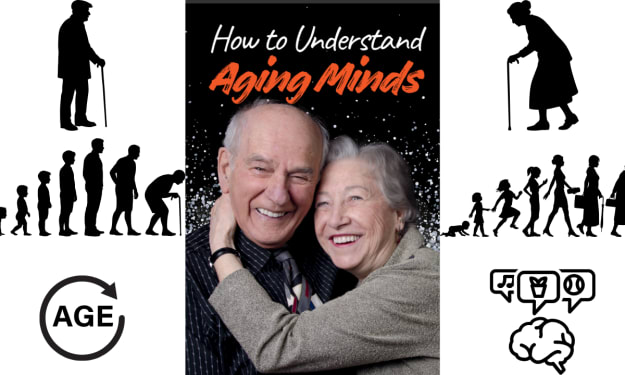
How to Understand Aging Minds: A Practical Guide to Cognitive Changes, Emotional Well-Being and Personality
Aging is one of the most natural and universal experiences of human life—yet it remains one of the least understood. As bodies change with time, so do minds. Memory may shift. Emotions may deepen or become more sensitive. Personality traits may soften, strengthen, or reveal new layers. These changes are not signs of decline alone; they are part of a complex psychological evolution that deserves understanding, respect, and compassion.
By Akash Mano3 days ago in Education



Comments