
The Glucose Paradox: Fueling Hope for Cancer Cures
Blending Metabolic Strategies with Immunotherapy Innovations

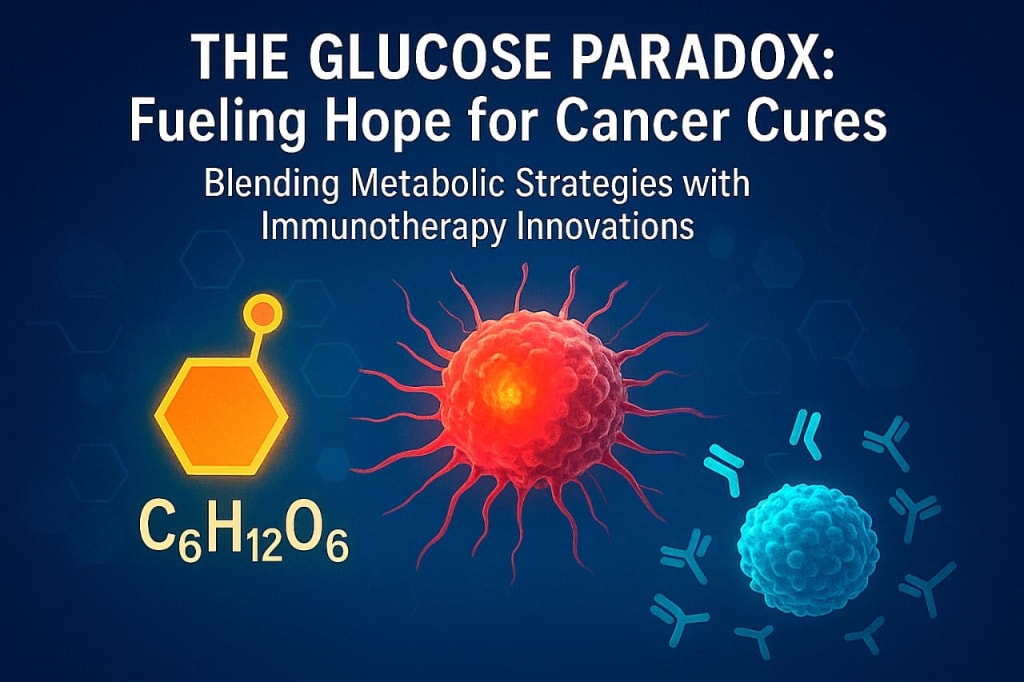
Cancer is still one of the world’s biggest health challenges, claiming millions of lives each year. Scientists continue to search for better treatments, and surprisingly, a simple sugar glucose has become a key focus. Glucose is our body’s main source of energy, but in the case of cancer, it plays a double role. It can feed tumors, making them grow faster, but it can also strengthen the immune system’s ability to fight back. This paradox has researchers asking an important question: if we learn how to control glucose in the body, could we create more effective treatments?
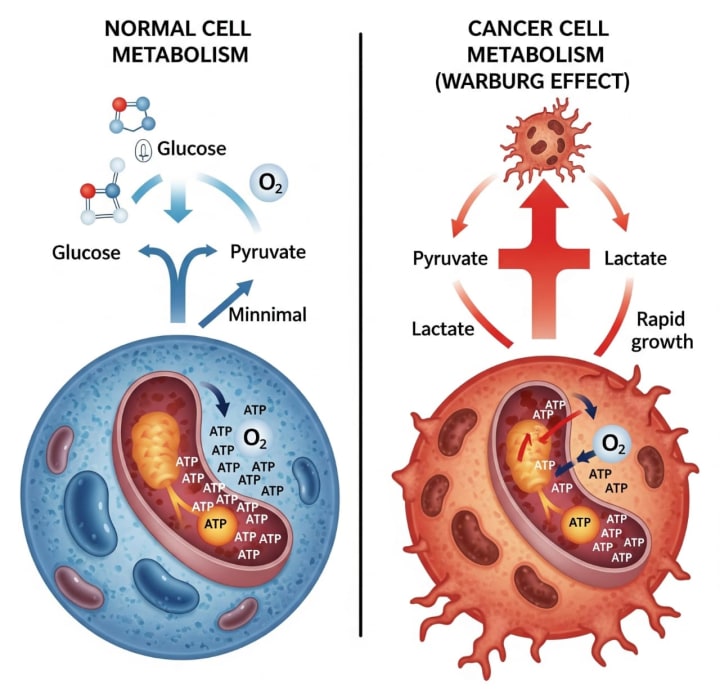
This story goes back nearly a century to the work of Otto Warburg, who discovered what is now called the “Warburg effect.” Unlike healthy cells, cancer cells prefer to use a process called aerobic glycolysis. In simple terms, even when oxygen is available, cancer cells break down glucose into lactate instead of fully burning it for energy. Although this seems wasteful, it allows tumors to grow quickly by producing not just energy but also the raw materials needed to build new cells. Because of this, tumors can consume up to 200 times more glucose than normal tissue. This dependency has revealed a weak point that scientists are eager to exploit.
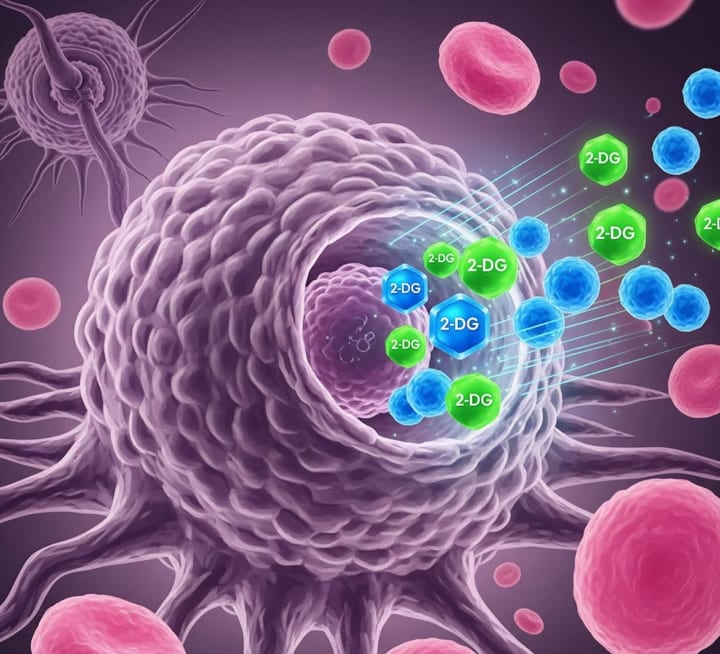
One approach is to block cancer’s ability to use glucose. Some experimental drugs, such as 2-deoxy-D-glucose (2-DG), mimic glucose closely enough that cancer cells absorb them, but they don’t provide usable energy. Essentially, they trick the tumor into starving itself. Research in colorectal and pancreatic cancers has shown encouraging results, especially since these cancers often resist traditional therapies. To make treatments safer and more effective, scientists are also developing nanocarriers tiny delivery systems that bring these drugs directly to the tumor. This not only cuts off the cancer’s fuel supply but may also make other treatments like chemotherapy work better.
But glucose is not only important for tumors. It also plays a major role in the tumor’s surroundings, known as the tumor microenvironment. At first, scientists thought high glucose levels there weakened the immune response. Recent findings, however, suggest a more complex story. A team at the Van Andel Institute discovered that glucose actually boosts the signaling inside T-cells, the immune system’s main fighters. This means glucose can help T-cells become stronger and more efficient at attacking tumors. Such insights could improve advanced treatments like CAR-T therapy or immune checkpoint inhibitors, which rely on maximizing immune strength.
Glucose rarely works alone in cancer metabolism. Another nutrient, glutamine, often pairs with it to fuel tumors. Some researchers argue that attacking both glucose and glutamine together could be more effective. For example, ketogenic diets or drugs that block glutamine use may create extra stress for cancer cells, making them easier to kill. Interestingly, medications originally developed for diabetes, such as GLP-1 agonists, have also been linked to lower risks of several cancers. This could be because they stabilize glucose levels in the body, making it harder for tumors to thrive.
Of course, challenges remain. Healthy cells also depend on glucose, so treatments that block it too broadly can cause harmful side effects. To solve this, scientists are exploring precision methods like nanotechnology and biomarkers that identify which tumors are truly dependent on the Warburg effect. They’ve also found that not all cancers rely on glucose equally some switch to other fuels like fats or ketones when glucose is scarce. Even with these obstacles, the future looks promising. Researchers believe the best path forward may be combination therapies. By pairing glucose-targeted drugs with immunotherapy, doctors could both weaken the tumor and strengthen the body’s natural defenses at the same time. Clinical trials are already testing these strategies, and early results suggest this dual approach could turn cancer into a more manageable condition.
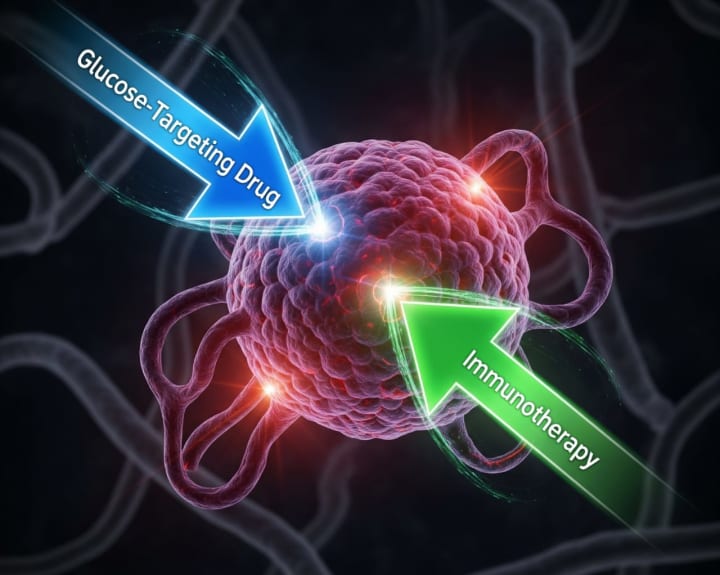
In the end, glucose is both cancer’s greatest ally and one of its potential weaknesses. By learning how to control this simple sugar, scientists are uncovering new ways to fight a disease that has long seemed unstoppable. The solution may not lie in a brand-new discovery, but in something that has been flowing through our blood all along.
About the Creator
Muzamil khan
🔬✨ I simplify science & tech, turning complex ideas into engaging reads. 📚 Sometimes, I weave short stories that spark curiosity & imagination. 🚀💡 Facts meet creativity here!
Keep reading
More stories from Muzamil khan and writers in Education and other communities.
Honeybees as Drug Detectives: How Nature’s Pollinators Are Helping Fight Trafficking
hen most of us think of honeybees, we picture buzzing gardens, golden honey, and pollination that keeps our food supply alive. But these tiny creatures are now stepping into a surprising new role: helping detect illegal drugs. With a sense of smell sharper than many animals, honeybees can be trained to identify substances like heroin, cocaine, and methamphetamine. This discovery is opening doors to faster, cheaper, and more efficient detection methods than traditional sniffer dogs.
By Muzamil khan7 months ago in Education
My First Time Skiing and I Got Lost, Alone, in the French Alps
Looking back, I can trace some of my life’s biggest adventures to a simple action from my sister. She’d introduced me to Tommy (a very long time ago), a colleague of hers, who had overshared his penchant for Italian-looking women, and I ticked that box.
By Chantal Christie Weiss3 days ago in Humans


Comments
There are no comments for this story
Be the first to respond and start the conversation.