
The Global Furniture Revolution: Cultural Influences on Modern Designs
How Global Traditions Shape Contemporary Furniture Styles
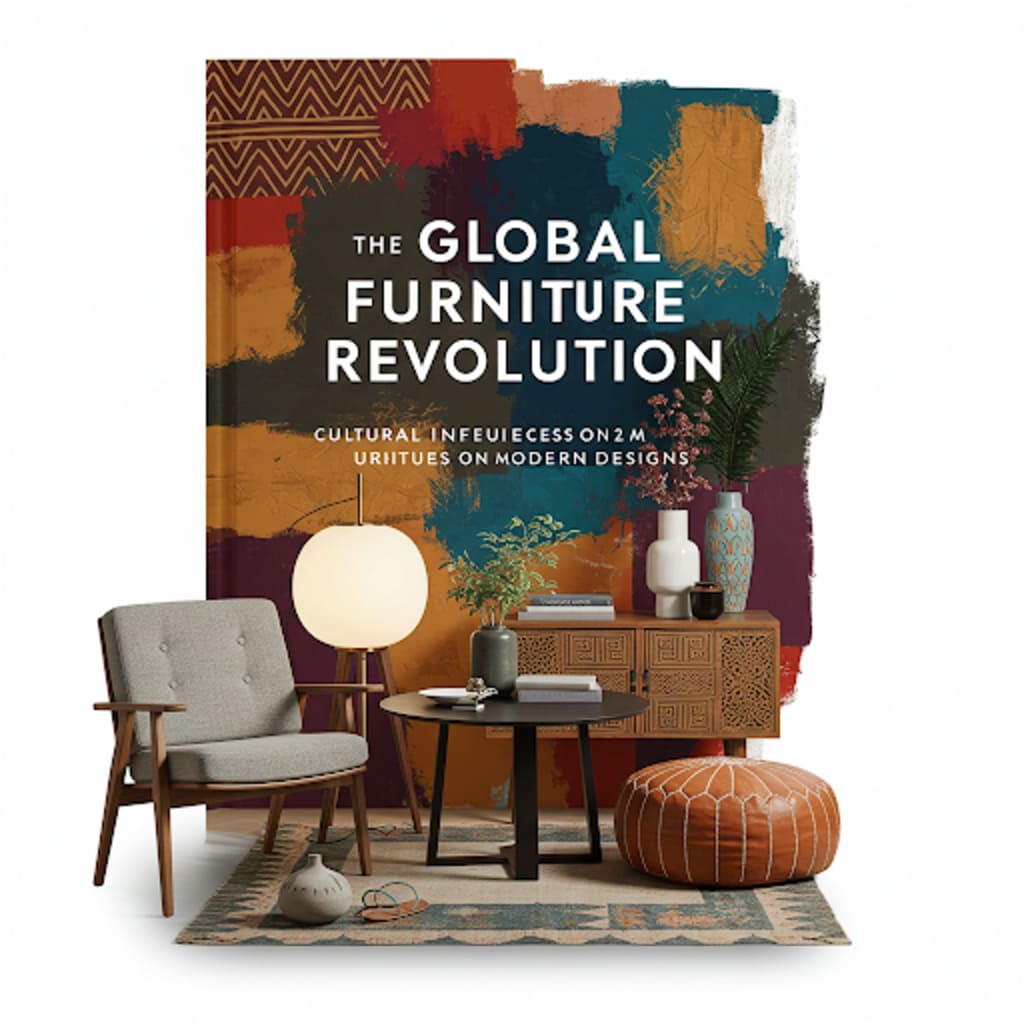
Furniture design has seen a profound evolution in recent years, shaped by a confluence of global influences that draw inspiration from diverse cultures and traditions. As the world becomes more interconnected, modern furniture has moved beyond the constraints of regional styles, blending elements from various cultures to create innovative, multifaceted designs. This dynamic shift reflects not only changing aesthetics but also the growing recognition of the importance of cultural exchange and sustainability. Here’s how cultural influences are reshaping modern furniture design.
Fusion of Global Styles
The most noticeable change in modern furniture design is the blending of styles from different cultures. No longer bound by regional boundaries, today’s furniture often combines the clean, minimalist lines of Scandinavian design with the rich, bold colors and intricate patterns of African, Asian, or Latin American art.
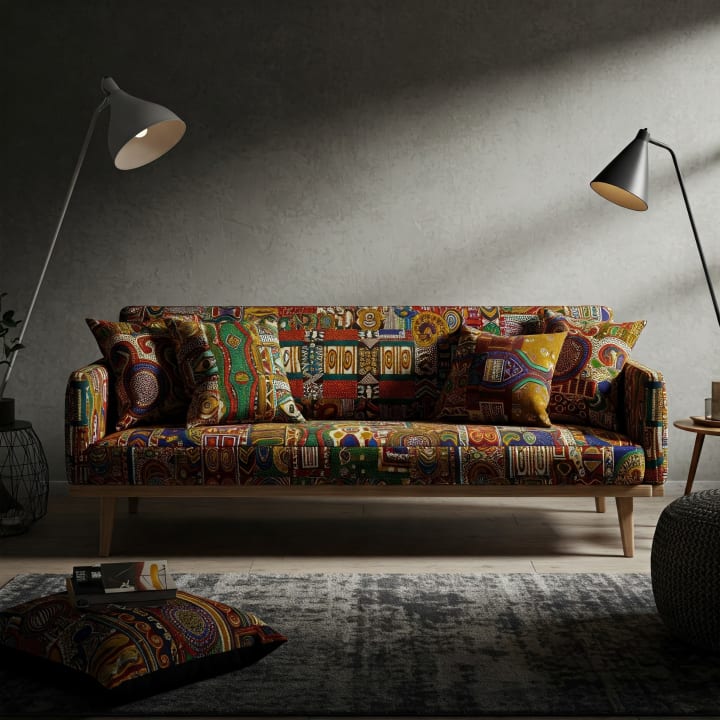
For example, the sleek simplicity of Nordic furniture is frequently paired with vibrant, handwoven textiles from South America or Africa, resulting in visually striking pieces that tell stories of cultural diversity. This fusion creates unique designs that incorporate functionality with aesthetic appeal, giving rise to a more inclusive and varied furniture landscape.
Japanese and Mediterranean Influences
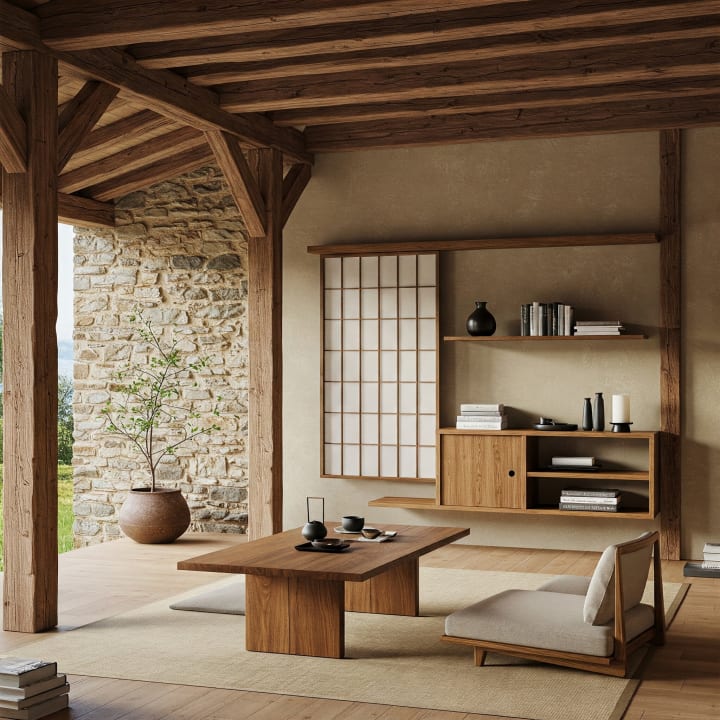
One of the most enduring influences on modern furniture comes from Japan, known for its minimalist approach and impeccable craftsmanship. Japanese furniture emphasizes clean lines, low profiles, and simplicity—design principles that prioritize form and function. This style has seamlessly merged with Mediterranean design, which often features rustic materials like distressed wood, terracotta, and wrought iron. The result is a beautiful fusion of simplicity and warmth.
By blending the meticulous craftsmanship of Japanese design with the earthy textures and colors of Mediterranean styles, designers have created a balanced, harmonious aesthetic that can be both contemporary and timeless.
Embracing Sustainability
Sustainability has become a cornerstone of modern furniture design, and many contemporary pieces are inspired by indigenous cultures that have long practiced sustainable methods. Indigenous craftsmanship often relies on natural, reclaimed materials, such as wood, stone, and fibers, to create functional and beautiful objects. Modern designers have embraced these eco-conscious practices, incorporating materials like reclaimed wood, bamboo, and even upcycled items into their designs.
This shift towards sustainability is not only a nod to traditional practices but also a commitment to environmental responsibility. In a world increasingly aware of climate change, using sustainable materials and techniques is a way for designers to pay homage to the past while addressing the challenges of the present.
Cultural Storytelling Through Design
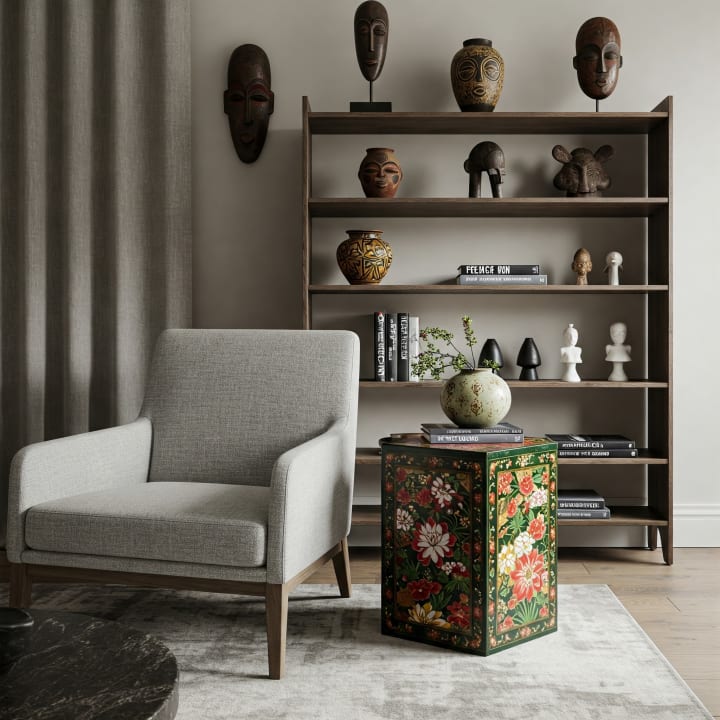
Furniture design today is more than just about function; it’s also about storytelling. Each piece of furniture often carries the influence of the culture it draws from, and modern designers are using these influences to tell stories of tradition, history, and craftsmanship. The resurgence of traditional techniques, such as hand-carving or hand-weaving, allows designers to honor cultural heritage while adding contemporary flair. For example, intricate Moroccan patterns, Brazilian wood carving, or Indian block printing can be found incorporated into modern furniture, creating a bridge between past and present. By highlighting these cultural elements, designers not only preserve traditional crafts but also elevate them into the mainstream.
Interconnected Global Aesthetic
As the world becomes more interconnected, furniture design is evolving into a global language. Designers are increasingly drawing inspiration from cultures all over the world, merging elements from various regions to create a cohesive, interconnected aesthetic. This blending of global influences results in pieces that transcend geographical borders, reflecting the shared experiences and values of different cultures. The ability to incorporate a wide variety of cultural influences into a single piece of furniture is a testament to how our increasingly globalized world has made diverse design aesthetics more accessible and celebrated.
Conclusion
The global furniture revolution highlights the profound impact of cultural exchange on modern design. From the fusion of different styles and materials to the embrace of sustainability and storytelling through design, today’s furniture reflects the interconnectedness of our world.
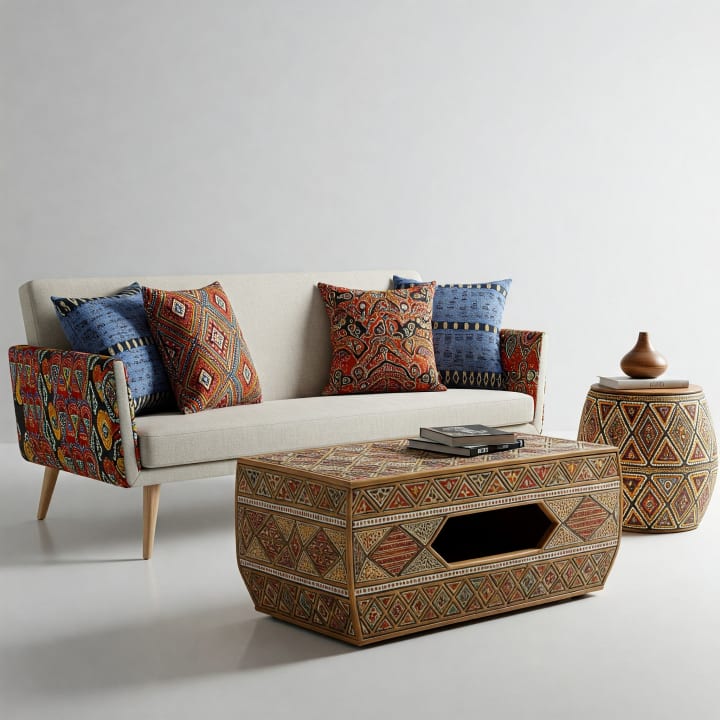
As designers continue to draw inspiration from global traditions, furniture becomes not only a functional item but also an expression of culture, creativity, and sustainability. By embracing these influences, modern furniture design is celebrating the richness of global heritage while paving the way for a more inclusive and environmentally conscious future.
About the Creator
Keep reading
More stories from OPAA LIVING and writers in Education and other communities.
The Intersection of Technology and Furniture: What’s Next?
In recent years, technology has become an integral part of every aspect of our lives, and now, it is making its way into our homes through innovative furniture designs. The fusion of technology and furniture is transforming the way we interact with our living spaces, making them smarter, more functional, and more sustainable. As consumer demand for convenience, comfort, and sustainability rises, furniture makers are increasingly incorporating cutting-edge technologies into their designs. So, what’s next for the intersection of technology and furniture?
By OPAA LIVING10 months ago in Education
Rethinking Math Education in the 21st Century: Lessons from the Casie Hynes Perspective
Mathematics has long been considered a fundamental pillar of education. It develops critical thinking, nurtures problem-solving abilities, and plays an essential role in science, technology, engineering, and finance. Yet despite its importance, math remains one of the most challenging and misunderstood subjects for students worldwide. As we step deeper into a data-driven era, reforming how we approach math education is more urgent than ever.
By Casie Hynes3 days ago in Education
Understanding Ductwork Airflow Distribution for Modern Homes
Ductwork airflow distribution is the system that moves heated or cooled air through a building. Many homeowners hear the word ductwork but do not fully understand what it does or why it matters. This guide explains the basics in a clear and simple way. By the end, you will know how air moves, why design matters, and how small issues can affect comfort and energy use.
By Lickety Splitabout 7 hours ago in Education
So You Decided To Become a Nurse Practitioner:
So you decided to become an "Advanced Practice" nurse. Congratulations!... is what I would say if this was a good idea. Grad school? In this economy? What were you thinking? Likely it was something along the lines of either 1) “I've seen these other chucklefucks do it— Why can't I?” or even 2) “I've got a nice career, I should shake it up. I miss feeling like I have no clue what I'm doing.”
By Sandor Szabo5 days ago in Fiction




Comments
There are no comments for this story
Be the first to respond and start the conversation.