
The Future of Content: What Social Media Will Look Like in 2030
How AI, Augmented Reality, and Decentralization Will Shape the Next Decade

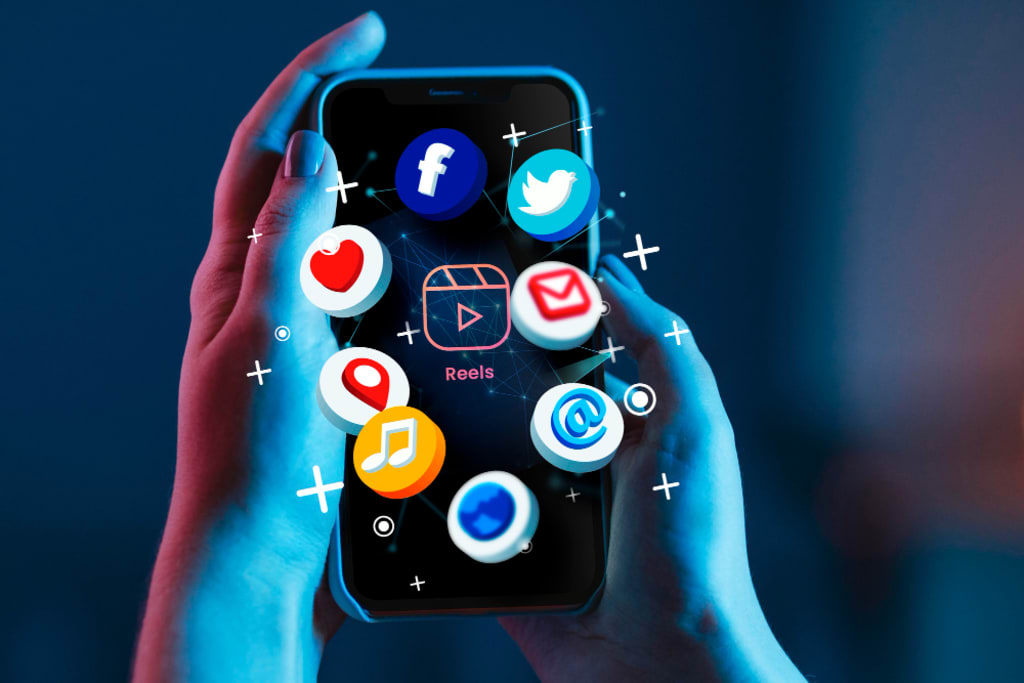
Social media has changed drastically in the past decade, evolving from simple status updates to AI-driven experiences, short-form video dominance, and influencer marketing empires. But what will social media look like in 2030?
As technology advances, we can expect decentralized platforms, hyper-personalized AI content, augmented reality (AR) integration, and even mind-controlled interactions. Here’s a look at the future of content and how it will redefine the way we communicate, market, and consume digital media.
1. AI-Generated, Hyper-Personalized Content Will Take Over
Content Tailored to Each User’s Mindset in Real-Time
By 2030, artificial intelligence won’t just assist in content creation—it will completely redefine it. Imagine scrolling through your feed and seeing content that’s been generated specifically for you at that moment, based on your emotions, interests, and even biometric data.
AI-driven tools will write articles, create videos, and design graphics instantly based on trending topics and personal preferences.
Deepfake influencers will become mainstream, creating hyper-realistic content without human creators.
Platforms will use AI to predict what content you’ll engage with before you even know you want it.
Businesses and creators must embrace AI-driven content strategies while maintaining authenticity to avoid becoming obsolete.
2. Augmented Reality (AR) & Virtual Reality (VR) Will Replace Traditional Feeds
The Death of the Newsfeed, the Rise of the Virtual World
By 2030, static social media feeds may be a thing of the past. Instead, users will interact with social platforms through immersive augmented and virtual reality experiences.
Augmented reality filters will become more advanced, allowing users to engage with content in 3D environments.
Social media will be integrated with the Metaverse, allowing users to attend virtual concerts, meetings, and shopping experiences in real-time.
Holographic social media posts may replace traditional scrolling, offering a more interactive experience.
Businesses will need to adapt their marketing strategies to create AR-powered campaigns, immersive ads, and virtual storefronts.
3. The Rise of Decentralized Social Media
Users Will Own Their Data, Not Big Tech
Privacy concerns and data scandals have pushed the demand for decentralized social media platforms. By 2030, more users may move away from platforms controlled by major corporations like Meta and TikTok, opting for blockchain-based, user-owned networks.
No central authority will control the platform, ensuring data privacy and freedom of speech.
Users will earn money through token-based rewards instead of relying on ad revenue.
Platforms like Lens Protocol and Mastodon will gain popularity as alternatives to traditional social networks.
This shift means brands must explore decentralized marketing strategies and rethink how they reach audiences without relying on traditional ad-based models.
4. Brain-Computer Interfaces (BCIs) Will Revolutionize Interaction
Posting With Your Thoughts Might Become a Reality
Elon Musk’s Neuralink and other brain-computer interface (BCI) projects are advancing rapidly. By 2030, users may control social media with their minds instead of typing or tapping.
BCIs will allow users to post, like, and comment using only brain signals.
Communication will become more intuitive and faster than ever before.
This could eliminate the need for screens, as users interact directly with digital platforms through neural interfaces.
Businesses will need to rethink how they capture attention when the user interface shifts from screens to direct brain engagement.
5. Social Commerce Will Dominate Online Shopping
Buying Through Social Media Will Be Faster & More Integrated
E-commerce will be fully integrated into every aspect of social media by 2030. Instead of going to separate shopping websites, users will browse, try, and purchase products directly within their favorite platforms.
AI will recommend products in real-time based on what you need before you even search for them.
Virtual fitting rooms using AR and AI will let customers try on clothes and accessories.
Livestream shopping will become even more interactive, with influencers using AR overlays to demonstrate products.
For businesses, this means social commerce will become the primary sales channel, replacing traditional e-commerce websites.
6. Micro-Communities Will Replace Large Social Networks
Niche Groups Will Take Over Mainstream Platforms
While Facebook and Instagram currently dominate, the future of social media lies in niche communities. Instead of engaging with broad audiences, users will flock to private, interest-based communities where they feel a stronger sense of belonging.
AI-driven community recommendations will match users with hyper-personalized groups.
These micro-communities will be ad-free and supported by direct monetization models like subscriptions and tokenized rewards.
Platforms like Discord and Geneva will become the new social hubs for like-minded individuals.
Brands must shift from mass marketing to community-driven strategies, focusing on relationship-building rather than generic ad campaigns.
7. Authenticity & Digital Trust Will Define Brand Success
People Will Only Engage With Brands They Truly Trust
By 2030, AI-generated content and deepfakes will blur the line between real and fake. As a result, users will become more skeptical and value authenticity more than ever.
Blockchain technology will be used to verify real vs. AI-generated content.
Influencer marketing will shift toward trusted micro-creators rather than mega-celebrities.
Consumers will demand full transparency from brands regarding ethical sourcing, sustainability, and AI usage.
Businesses that prioritize authenticity, transparency, and ethical marketing will stand out in an increasingly AI-driven world.
Final Thoughts
The social media landscape in 2030 will be unrecognizable compared to today. AI will create hyper-personalized content, VR and AR will replace traditional scrolling, and blockchain-powered platforms will redefine data ownership.
For businesses, the key to success will be adapting early and leveraging these trends to build trust, create engaging experiences, and stay ahead of the competition.
What do you think the biggest shift in social media will be? Let’s discuss in the comments!
About the Creator
Izzy
Exploring digital marketing, AI trends, and the future of social media to help businesses grow. From AI-driven marketing to decentralized platforms, I break down what’s next. (Oh, and I occasionally dive into mind-bending sci-fi too!)
What to Eat (And Avoid) During Colon Cancer Treatment: A Nutritionist-Approved Guide
When undergoing colon cancer treatment, your diet is more important than ever. The right nutrition can support your immune system, reduce side effects, and even enhance the effectiveness of treatments like chemotherapy and radiation. But knowing what to eat and what to avoid can be overwhelming.
By Erika Phillips 6 days ago in Education
Surviving Cancer: Entering the Golden Alchemical Door to Teaching
It starts with love . . . Entering the Golden Door: Who Am I? Going through cancer treatments with chemo, a strange thing happened, for I started to forget things, even who I am because my wife ghosted me and my friends would have nothing to do with me. Without human contact, you forget what it means to be human. I am a professor at a university, but I forgot what I taught. . . .
By WILD WAYNE : The Dragon Kinga day ago in Education


Comments (2)
Excellent
Nice work.. I really enjoyed this one . Keep up the good work.