
The Evolution of Fashion Trends in the 21st Century
How Style, Culture, and Technology Shape Modern Fashion

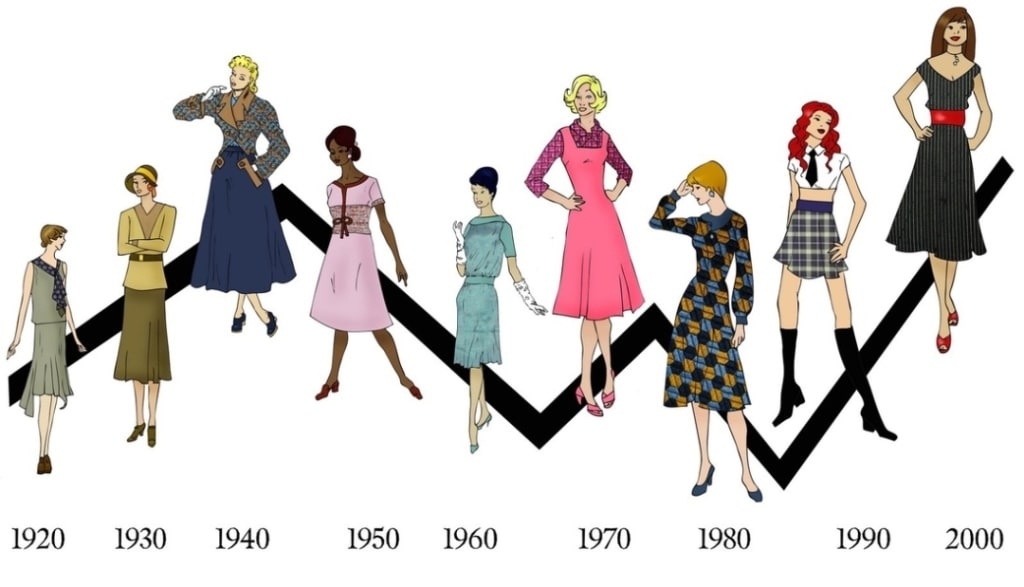
Fashion is a reflection of society, culture, and technology, and throughout history, it has evolved to capture the spirit of each era. The 21st century has seen some of the most dramatic shifts in fashion, driven by changes in social values, the global spread of trends, technological advancements, and the growing influence of digital platforms.
The evolution of fashion trends in this century has been marked by an unprecedented level of diversity, inclusivity, and a more casual approach to dressing, all while maintaining connections to past styles. From the early 2000s to the present day, fashion has undergone a transformation that is reshaping the way we view style, beauty, and self-expression.
At the dawn of the 21st century, fashion was heavily influenced by the late 1990s, which was characterized by a mix of minimalism and a fascination with pop culture icons. The early 2000s brought with it an emphasis on bold, sometimes garish trends such as low-rise jeans, graphic tees, and bedazzled accessories.
Celebrities like Britney Spears, Jennifer Lopez, and Paris Hilton became major style icons, influencing the trends of the time. The "Y2K" aesthetic, which incorporated shiny fabrics, metallics, and logos, became a hallmark of early 21st-century fashion. The rise of fast fashion also began in this period, with brands like H&M, Zara, and Forever 21 making trendy styles accessible to the masses at an affordable price.
However, as the decade progressed, fashion in the 2000s began to shift towards more eclectic, individualistic, and sometimes nostalgic looks. The 2000s were a time when fashion began to embrace a more diverse range of influences, and the beginnings of global interconnectedness became apparent in the fashion industry. As people began to access styles from all over the world, their wardrobes grew increasingly varied, incorporating everything from streetwear to high-fashion pieces.
There was a blending of cultures, with Japanese street fashion, such as the "Harajuku" look, influencing Western trends. This period also marked the rise of athleisure, as comfortable, sporty clothing like leggings and tracksuits began to be worn not just for exercise, but for everyday activities.
As we entered the 2010s, the fashion industry experienced a major shift, as the influence of social media platforms such as Instagram, Twitter, and Pinterest began to grow. The democratization of fashion became more pronounced, with individuals being able to set trends and share their personal style with a global audience.
This era saw the rise of "influencers" individuals who, through their social media presence, could shape fashion trends in real time. Brands began to realize the power of digital marketing, and collaborations between influencers and fashion houses became a common strategy to reach younger, trend-savvy consumers.
Social media not only empowered individuals to express their style but also facilitated the rapid rise of "fast fashion" companies, which capitalized on the speed at which trends could spread. These companies were able to take the latest runway looks and turn them into affordable, ready-to-wear pieces in a matter of weeks.
However, the growth of fast fashion also sparked a backlash due to concerns about its environmental impact and the ethics of production. Consumers became more aware of the consequences of their purchasing choices, leading to the rise of sustainable fashion. Many young consumers started seeking out eco-friendly brands, secondhand clothing, and vintage shops, further fueling the trend of individuality and a desire for authenticity in fashion.
In the realm of high fashion, the 2010s also saw a return to a more diverse and inclusive representation of beauty. For decades, the fashion industry had been criticized for its lack of diversity, with models predominantly being white and thin.
However, the 2010s saw a shift towards more inclusive representation in fashion campaigns, runway shows, and advertisements. Brands like Fenty Beauty, launched by Rihanna in 2017, revolutionized the beauty industry by offering a wide range of shades that catered to a variety of skin tones.
Similarly, fashion designers began casting models of different body types, ethnicities, and gender identities. This focus on diversity and inclusion was not just a passing trend; it became a key factor in how brands marketed themselves and how consumers interacted with fashion.
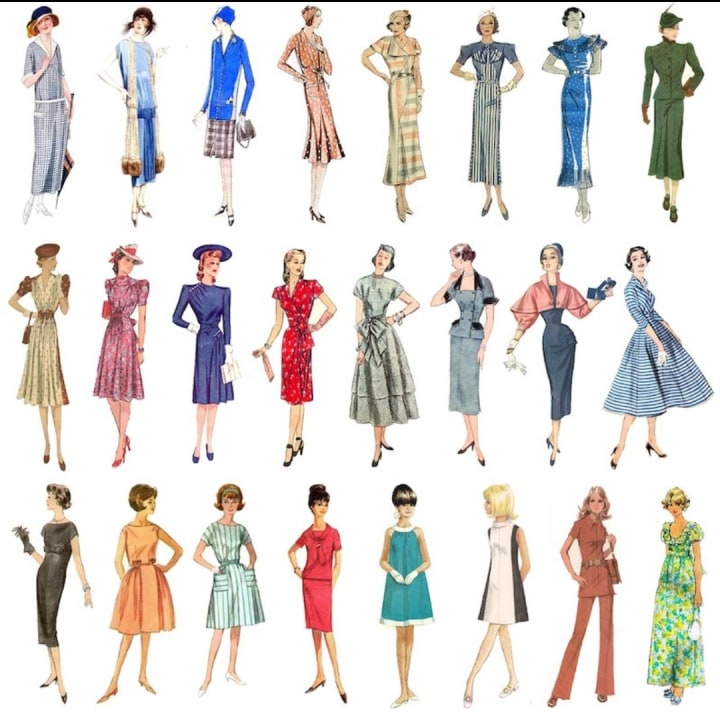
As the 2020s began, fashion continued to evolve at a rapid pace, with new trends emerging almost every season. The rise of digital fashion and virtual clothing was one of the most significant developments in the early part of the decade. With the increasing use of augmented reality (AR) and virtual reality (VR), designers began creating digital clothing that could be worn in virtual spaces or overlaid onto real-life images via social media platforms.
Virtual fashion shows, such as those organized by brands like Balenciaga and The Fabricant, allowed designers to reach global audiences in entirely new ways. This shift was accelerated by the COVID-19 pandemic, which forced people to spend more time at home and led to an increased reliance on digital platforms for communication and self-expression.
The 2020s have also seen a resurgence of many past trends. Fashion, like any art form, is cyclical, and many styles from the 1990s and early 2000s have returned in full force.
Baggy jeans, oversized jackets, and chunky sneakers have made a comeback, largely driven by the popularity of streetwear culture and the continued influence of hip-hop and skate culture. The "grunge" aesthetic, characterized by plaid shirts, band tees, and distressed denim, has also reappeared in mainstream fashion.
Additionally, sustainability and ethical considerations have become even more prominent in the fashion industry in the 2020s. Consumers are increasingly aware of the environmental impact of their clothing choices, and many brands have made strides toward more sustainable practices.
From using organic and recycled materials to focusing on circular fashion models (where clothes are designed to be reused or repurposed), the push for sustainability is reshaping the industry. The rise of thrifting and upcycling, fueled by both environmental concerns and the desire for unique, one-of-a-kind pieces, has become a significant part of contemporary fashion.
Another defining characteristic of 21st-century fashion is the rise of gender-fluid and unisex clothing. As society’s understanding of gender becomes more fluid, fashion has increasingly embraced clothing that transcends traditional gender norms.
Many designers are now creating collections that can be worn by people of all genders, and fashion icons like Harry Styles and Billy Porter have challenged the boundaries of what is considered "men’s" or "women’s" fashion. This trend reflects a broader cultural shift towards greater acceptance of gender diversity and the breaking down of outdated stereotypes.
The 21st century has seen fashion become more diverse, inclusive, and accessible than ever before. From the early 2000s, when flashy trends and celebrity culture dominated, to the current day, where sustainability, individuality, and digital innovation shape the landscape, fashion has evolved to meet the changing needs and values of society.
The rapid pace of change in the industry reflects the constantly shifting dynamics of the modern world. As we look to the future, it is clear that fashion will continue to be a powerful means of self-expression, a reflection of social movements, and a testament to the creative spirit of those who shape it.
About the Creator
Nora Ariana
Empowering through stories and sound igniting purpose, sparking growth, and awakening the power within.
Keep reading
More stories from Nora Ariana and writers in Education and other communities.
A goal is a dream with a deadline
A goal is a dream with a deadline. This powerful quote reminds us that without action, dreams remain just that wishes floating in our imagination. But when we set a timeline and commit to achieving them, they evolve into goals, bringing clarity, direction, and purpose. Many people go through life holding on to dreams, hoping they will come true someday. But someday is not a day on the calendar. Dreams without structure often fade with time or get buried under the weight of daily responsibilities. Turning a dream into a goal is what separates those who achieve from those who continue to wish.
By Nora ArianaExclusive • 9 months ago
Half Dollars That Defied Time: Kennedy, Franklin & Walking Liberty
If you’ve found yourself holding an old half dollar, you’ve probably wondered: is this just pocket change, or could it be something more? I’ve had that same conversation with countless collectors in my eight years as a numismatist. The answer often hinges on three legendary names: Walking Liberty, Franklin, and Kennedy. More than just silver, these coins are tangible pieces of 20th-century America. This guide will help you understand their stories, values, and which one might be the perfect fit for your goals, whether you're building a collection or an investment.
By Laura Bennett3 days ago in Education



Comments (1)
Great evolution! Very educational! Great work! Wonderful! Love it!