
The Ethics of Deepfakes: Art, Crime, or Both?
"Exploring the Fine Line Between Creative Innovation and Digital Deception"

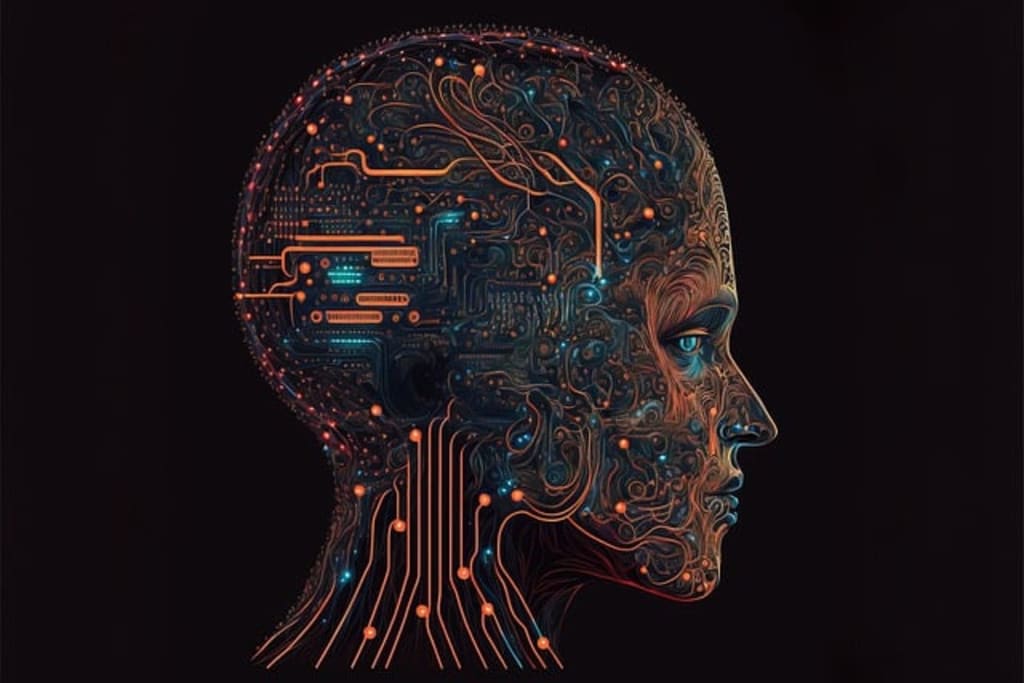
In a world where artificial intelligence is advancing at lightning speed, few technologies have stirred up as much buzz—and concern—as deepfakes. These are the videos, images, or audio clips that look and sound incredibly real, but are actually fake, generated by AI. On the surface, they can seem like a fun novelty. But take a closer look, and you’ll find yourself facing a big, uncomfortable question: Are deepfakes an exciting new art form—or a digital disaster waiting to happen?
What Exactly Are Deepfakes?
Imagine a video of a celebrity singing a song they’ve never recorded, or a politician making a statement they never said. It looks real. It sounds real. But it’s not. That’s a deepfake.
At the heart of it is a type of artificial intelligence called generative adversarial networks (GANs). These AI systems learn to mimic how a person looks and sounds by studying thousands of photos and recordings. Then, using that data, they generate shockingly realistic fake content.
It started off as an experimental tech in research labs. But today, anyone with a smartphone and the right app can create a deepfake. That’s both impressive—and a little scary.
When Deepfakes Are Art?
Believe it or not, not all deepfakes are made with bad intentions. In fact, some people are using them to create art.
Digital artists and filmmakers are experimenting with deepfakes as a new way to tell stories. Some use them to bring long-dead actors back to the screen, or to imagine how historical events might have looked if they’d played out differently. In museums and galleries, deepfakes have been used to question what “authenticity” even means in the digital age.
And let’s not forget comedy—deepfake parodies of politicians or celebrities have become wildly popular on social media. Sometimes they're so convincing you can't help but laugh—and then wonder if it’s really okay.
Because that’s where things get tricky. Even if it’s meant to be art or humor, what if the person being deepfake didn’t give permission? Is it still okay? Or does it cross a line?
When Deepfakes Are Dangerous
Unfortunately, deepfakes aren’t always just fun or thought-provoking. Sometimes, they’re used in ways that are deeply harmful—and even criminal.
1. Targeting Women with Fake Pornography
One of the worst uses of deepfakes has been in the creation of fake adult videos. And most of the time, the victims are women. Their faces are placed onto explicit content without their knowledge or consent. It’s horrifying, humiliating, and emotionally devastating.
It’s a new kind of digital abuse—one that many legal systems are still struggling to deal with.
2. Political Lies and Election Manipulation
Now imagine a deepfake showing a world leader declaring war. Or a video surfacing just before an election where a candidate appears to say something racist or illegal. Even if it’s debunked later, the damage could already be done.
This kind of fake content could destroy reputations, incite violence, or throw entire democracies into chaos. That’s why some governments, like in the U.S. and China, are beginning to treat deepfakes as a serious national security issue.
3. Scams and Fraud
Even your boss’s voice might not be safe. In 2019, scammers used a deepfake audio clip to trick a company into wiring them nearly a quarter-million dollars, thinking it was the CEO’s voice on the phone.
As deepfake tech gets better, it’s getting harder to tell what’s real—making fraud that much easier.

Who’s Responsible?
So who’s to blame when a deepfake causes harm? The person who created it? The app or platform that allowed it? The AI developer? It’s not always clear.
Some countries are starting to pass laws to regulate deepfakes, especially those involving explicit content or election interference. But the tech is evolving faster than the laws can keep up.
And there’s an even bigger ethical question: even if a deepfake is made just for laughs, is it still wrong if it hurts someone?
What Can Platforms Do?
Big tech platforms like YouTube, Facebook, and TikTok are slowly waking up to the risks. Some have added rules to ban deepfakes that spread misinformation or impersonate people without consent. Others are using AI to detect and flag synthetic content.
But critics argue that enforcement is too slow and inconsistent. Plus, the technology used to create deepfakes is often one step ahead of the tools meant to detect them.
Walking the Line Between Innovation and Integrity
Like any powerful tool, deepfakes can be used for good or for harm. They’re not inherently evil. In fact, they might even open up incredible opportunities in education, entertainment, and art.
But they also challenge something very basic—our ability to believe what we see and hear. In a world full of deepfakes, how do we know what’s real anymore?
To deal with this, we need to work on multiple fronts:
Education: Teach people to question digital media and think critically.
Policy: Create smart laws that protect people without stifling creativity.
Technology: Invest in tools that detect deepfakes and mark them clearly.
Ethical Guidelines: Encourage developers and artists to use this tech responsibly.
So… Art, Crime, or Both?
In the end, deepfakes are both fascinating and frightening. They can be a new way to tell stories, make people laugh, or explore creativity. But they can also ruin lives, mislead voters, or scam companies.
Whether they’re art or crime depends on how they’re used—and on the intentions behind them.
One thing is certain: deepfakes are here to stay. The challenge now is making sure we use them wisely—and protect people from the very real harms they can cause.
About the Creator
Ashikur Rahman
Passionate storyteller exploring the intersections of creativity, culture, and everyday life. I write to inspire, reflect, and spark conversation—one story at a time.
Keep reading
More stories from Ashikur Rahman and writers in Education and other communities.
The Era of the ‘Soft Launch’: How We Date Differently in 2025
The "Soft Launch" Era: How We Will Date Differently in 2025 It should come as no surprise that our approach to relationships has drastically changed in this age of instant gratification, fast-paced social media, and curated content. Enter the "soft launch"—a term once reserved for product releases in marketing but now finding its place in the world of modern dating. This trend is changing how people introduce their romantic relationships to the world, offering a softer, more subtle approach to navigating intimacy in the digital age.
By Ashikur Rahman10 months ago in Education
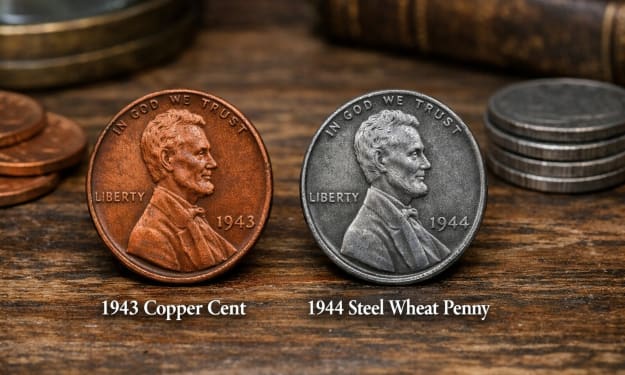
The 1943 Copper Cent vs. The 1944 Steel Penny: How to Spot the Legendary Mistakes
For over eight years as a Senior Numismatic Analyst, few questions ignite the passion of a collector like the legends of the 1943 Copper Cent and the 1944 Steel Penny. These coins represent the most famous mint errors in American history, born from the unprecedented material shifts of World War II. I've examined countless coins brought to me with hope, only to find they were clever counterfeits. The truth is, genuine examples of these errors are extraordinarily rare, but knowing exactly what to look for is the first step from fantasy to fact. This guide will cut through the myths and give you the concrete, professional methods to understand and identify these numismatic legends.
By Laura Bennettabout 13 hours ago in Education
The Path to Salvation
The late autumn evening air filled the monk's lungs, but it wasn't the season that chilled his bones. The heavy-handed presence of evil he had sensed upon entering the woods surrounding this mountain village had not bothered to conceal itself from him.
By Made in DNA6 days ago in Fiction



Comments
There are no comments for this story
Be the first to respond and start the conversation.