
The Dark Side of Web Design
Protect Yourself from Black Patterns!

Understanding Black Patterns
In the digital age, navigating websites can sometimes feel like walking through a maze filled with traps. One of the most insidious traps is known as black patterns—deceptive design techniques that manipulate users into making choices they might not want to make. Understanding these patterns is crucial for anyone who wants to have a safe and positive online experience.
Common Types of Black Patterns
1. Hidden Costs 💰
In the digital age, navigating websites can sometimes feel like walking through a maze filled with traps. One of the most insidious traps is known as black patterns—deceptive design techniques that manipulate users into making choices they might not want to make. Understanding these patterns is crucial for anyone who wants to have a safe and positive online experience.

2. Bait and Switch 🎣
The bait-and-switch tactic involves advertising a product at a low price to attract customers, only to offer a different, more expensive option when they attempt to make a purchase. This can lead to disappointment and distrust, as users feel misled. It’s essential to be cautious and verify the legitimacy of offers before proceeding.

3. Forced Continuity 🔄
Have you ever signed up for a free trial, only to find it nearly impossible to cancel? This is forced continuity. Users are often enrolled in subscription services without clear instructions on how to opt-out, leading to unwanted charges once the trial period ends. This tactic can leave users feeling trapped and frustrated.

4. Obscured Information 🔍
Important details, such as terms and conditions, are often hidden in fine print or buried in hard-to-find links. This obscured information can prevent users from making fully informed decisions, leaving them vulnerable to unexpected consequences. Always take the time to read the fine print before agreeing to anything.

5. Misleading Buttons 🖱️
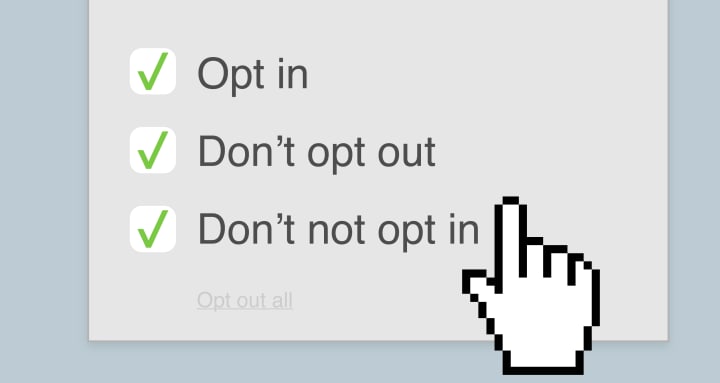
Misleading buttons are designed to confuse users. For example, a button that appears to lead to a cancellation option might actually subscribe the user to a service instead. This tactic can lead to frustration and a sense of betrayal. Always double-check what actions you are taking when clicking buttons on a website.
How to Protect Yourself
1. Educate Yourself: Knowledge is your best defense. Familiarize yourself with common black patterns to recognize them when you encounter them.
2. Read Reviews: Before making a purchase, check user reviews and experiences with the website or service. This can provide valuable insights into potential pitfalls.
3. Look for Transparency: Ensure that the website provides clear information about pricing, terms, and conditions. If something seems vague, proceed with caution. A reputable website will have easily accessible information regarding shipping costs, return policies, and subscription terms. Take the time to read through these details before making a decision. If you can’t find this information or if it’s buried in fine print, it may be a sign that the site is employing black patterns. Additionally, look for customer service contact information; a trustworthy site will offer multiple ways to reach them if you have questions or concerns.
4. Use Browser Extensions: Consider using browser extensions that help identify and block deceptive practices. Tools like ad blockers can enhance your browsing experience.
5. Be Skeptical of Too-Good-To-Be-True Offers: If an offer seems too good to be true, it probably is. Always verify the legitimacy of the offer before proceeding.
6. Check for Secure Websites: Look for HTTPS in the URL to ensure that the website is secure. A reputable site will prioritize user safety.
Conclusion
Black patterns can significantly impact your online experience, leading to frustration and unexpected costs. By educating yourself and staying vigilant, you can protect yourself from these deceptive practices. Awareness is the first step toward making informed decisions online.
Have you ever encountered a black pattern online? Share your experience with us! Stay informed, stay vigilant, and take control of your online experience—your wallet will thank you!"
About the Creator
Keep reading
More stories from Yash Gupta and writers in Education and other communities.
My Journey to Health, Wealth, and Wisdom: Early to Bed, Early to Rise ⏰
For years, I struggled with the constant feeling of being behind, both in my personal and professional life. Late nights were the norm, filled with endless scrolling through social media or binge-watching the latest series . Mornings were a blur, rushed and chaotic, leaving me feeling like I was always playing catch-up . Then, one day, I came across the age-old adage: "Early to bed and early to rise makes a man healthy, wealthy, and wise." It resonated with me, and I decided to give it a try .
By Yash Guptaabout a year ago in Education
5 Practical Ways an LCD Monitor Improves Daily Productivity at Work
Modern work depends on clarity, comfort, and steady focus throughout the day. Employees move between emails, documents, meetings, and data without pause. In this environment, the screen becomes more than a tool. It becomes a daily partner in how work flows and how decisions take shape.
By Olivia Barnabout 23 hours ago in Education
How to Succeed at the Benson Directory®
Congratulations and welcome to the Benson Directory® employee #22391! As our newest call handler, you will have the privilege of speaking with dozens of unique and interesting people on a daily basis as well as the opportunity to earn bonuses for high performance. Contained within this handbook you will find a set of ease to follow instructions designed to help you settle in to your new role and begin paving the way to success.
By S. A. Crawford4 days ago in Fiction




Comments
There are no comments for this story
Be the first to respond and start the conversation.