
The Blue Gold Bangladesh Aquaculture Revolution and the 4 Million Ton Frontier (2025-2033)
How Technology, Feed, and Policy Are Driving Aquaculture Scale
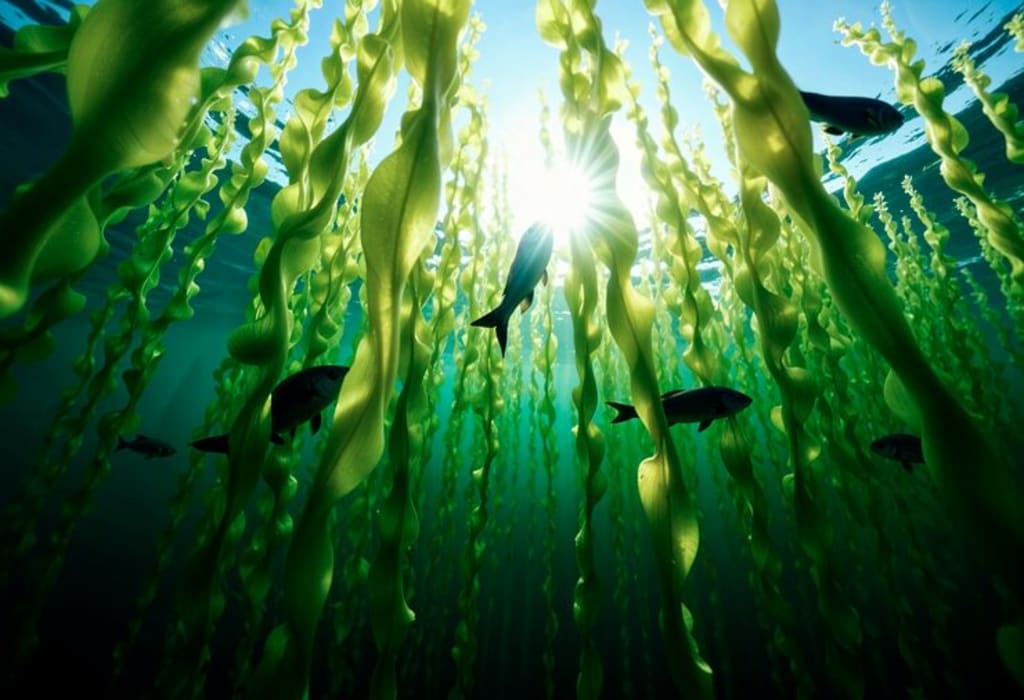
Bangladesh is a land defined by its rivers, but in 2026, those waters are producing more than just a local staple they are driving a multi-billion dollar economic engine. As one of the world’s leading producers of inland fish, Bangladesh has transitioned from traditional pond culture to a sophisticated, tech-driven aquaculture powerhouse. According to the latest research, the Bangladesh aquaculture market size reached 2.8 Million Tons in 2024 and is now on a high-velocity path to reach 4.0 Million Tons by 2033. Exhibiting a steady CAGR of 3.7% during 2025-2033, the nation is moving toward "Smart Fishing," where sustainability meets global export standards.
The Economic Surge: Feeding a Nation and the World
The primary engine behind the 2026 aquaculture boom is the dual demand for domestic food security and international trade. The jump from 2.8 million tons to a projected 4.0 Million Tons reflects a massive shift in intensity. In 2026, fish accounts for over 60% of the animal protein intake for the Bangladeshi population. As the urban middle class expands in Dhaka and Chattogram, the demand for high-quality, processed, and ready-to-cook fish products has skyrocketed.
This economic expansion is supported by a significant "Commercialization" phase. Thousands of small-scale farmers are transitioning into "Enterprises," utilizing semi-intensive and intensive farming methods. For the Bangladesh economy, this means a more resilient sector that provides livelihoods for over 18 million people. The growth is also attracting foreign direct investment (FDI) in feed mills and processing plants, ensuring that the value chain from hatcheries to the dinner plate is modernized and globally competitive.
The "Vannamei" Revolution: Exporting the Delta’s Best
If 2026 has a defining moment for exports, it is the full-scale commercialization of Vannamei (Whiteleg) Shrimp. After years of successful trials, the government’s 2025 policy shift has opened the floodgates for high-density shrimp farming in the coastal belts of Khulna, Satkhira, and Bagerhat.
Global Competitive Edge: Vannamei shrimp offer higher survival rates and faster growth cycles compared to the traditional Black Tiger shrimp. In 2026, this has allowed Bangladeshi exporters to compete effectively with Vietnam and India in the European and North American markets.
Digital Traceability: To meet strict EU and US food safety standards, Bangladesh has implemented a national Digital Traceability System. Buyers can now scan a QR code on a packet of frozen shrimp to see the exact farm, feed type, and water quality data, boosting "Brand Bangladesh" on the global stage.
Biofloc and RAS Technology: Innovative farming techniques like Biofloc and Recirculating Aquaculture Systems (RAS) are becoming common in 2026. These systems allow for ultra-high-density farming with minimal water exchange, making them ideal for areas with limited land or water resources.
How AI is Reshaping the Future: The "e-Fisheries" Era
In 2026, technology has moved from the laboratory to the rural pond. Artificial Intelligence and IoT are now the primary tools for the "Modern Fish Farmer."
AI-Driven Pond Management: Thousands of farmers now use smartphone apps integrated with IoT sensors to monitor water pH, dissolved oxygen, and temperature. AI models analyze this data to provide real-time alerts, preventing mass fish kills and optimizing feeding schedules, which has reduced feed costs by up to 20%.
Satellite Imaging for Site Selection: The government is utilizing satellite data and AI to identify optimal zones for aquaculture expansion. This "Smart Mapping" prevents environmental degradation and ensures that new farms are built in areas with the best soil and water profiles.
Market Intelligence Platforms: In 2026, "Digital Mandis" (marketplaces) allow farmers to bypass middlemen. AI-driven price forecasting helps farmers decide exactly when to harvest their catch to get the maximum market price, significantly increasing rural incomes.
Climate Resilience and the "Green" Mandate
Sustainability is the compass of 2026. As one of the most climate-vulnerable nations, Bangladesh is leading the world in Climate-Resilient Aquaculture.
Salinity-Tolerant Species: With rising sea levels, inland salinity is increasing. In 2026, hatcheries are producing specialized, salinity-tolerant strains of Tilapia and Pangasius, allowing farmers in coastal regions to continue production even as their environment changes.
Insurance and Risk Mitigation: Following the revamp of the National Fisheries Policy in late 2025, the first large-scale "Index-Based Insurance" for aquaculture has been launched in 2026. This protects farmers against losses from cyclones and flash floods, providing a vital safety net for the $4 billion industry.
Organic Feed and Probiotics: There is a massive shift away from antibiotics toward probiotics and organic feed. In 2026, "Chemical-Free" certification has become a major selling point for both domestic and international markets, aligning with global "One Health" initiatives.
Market Industry Segmentation & Regional Dominance
The 2026 market is a diverse ecosystem of species and systems:
Fish Type Insights: Freshwater Fish (Carps, Tilapia, Pangasius) remain the volume leaders, while Crustaceans (Shrimp and Prawn) are the value leaders in the export sector.
Environment Insights: Freshwater Aquaculture accounts for over 80% of production, but Brackish Water and Mariculture (marine farming) are the fastest-growing segments.
Regional Hubs: Mymensingh remains the "Fish Capital" for carps, while the southern coastal belt is the fortress of the shrimp industry.
Conclusion: A Vision of "Blue Prosperity"
As we look at the state of Bangladesh’s aquaculture industry in 2026, the picture is one of a sector that has successfully integrated its natural gifts with future-proof innovation. By embracing a 4.0 Million Ton vision and utilizing AI to deliver personalized, sustainable, and export-ready products, Bangladesh has created an aquatic ecosystem that is a global model for developing nations. The industry has proven that water is not just a resource it is a canvas for innovation and a reflection of a nation's rising prosperity. In 2026, the "Blue Revolution" is no longer a dream; it is the heartbeat of Bangladesh.
About the Creator
Keep reading
More stories from Neeraj kumar and writers in Education and other communities.
The Capital Engine France USD 53,007.13 Million Private Equity Frontier (2025-2033)
France has long been the cultural heart of Europe, but in 2026, it is undeniably becoming its financial powerhouse. The "L’Hexagone" private equity landscape has transitioned from a stable European player into a hyper-dynamic hub for global investors. Driven by a historic surge in innovation funding, a deep-seated commitment to EU integration, and a thriving startup ecosystem, the France private equity market is entering a era of unparalleled growth. According to latest research, the market reached USD 24,792.19 Million in 2024 and is projected to skyrocket to USD 53,007.13 Million by 2033, exhibiting a powerful CAGR of 8.81%. This is not just about capital deployment; it is about the structural Modernization of French Capitalism.
By Neeraj kumarabout 9 hours ago in Education
The Backbone of Modern Infrastructure: Industries Powered by Hot-Dip Galvanized Steel
Hot-dip galvanized steel plays a silent but critical role in shaping the modern world. From the roads we drive on to the buildings we work in, this corrosion-resistant material supports countless structures and systems that people rely on every day. By coating steel with a zinc layer through the hot-dip galvanizing process, manufacturers significantly extend the metal’s lifespan, improve durability, and reduce long-term maintenance costs. These benefits make hot-dip galvanized steel a preferred choice across many industries where strength, reliability, and longevity are non-negotiable.
By Frontier Galvanizing5 days ago in Education


Comments
There are no comments for this story
Be the first to respond and start the conversation.