
The Best Resources for Data Scientist for Beginners
Resources for Data Scientist for Beginners

As a Senior Data Analyst, I’ve seen directly the growing demand for skilled Data Scientists. Whether you’re just starting your journey or looking to upgrade your skills, it’s important to have the right resources at your fingertips. Being a Data Scientist for Beginners can feel overwhelming with so much information out there, but don’t worry I’m here to guide you through the best resources available that can help you build a strong foundation.
What is Data Scientist
A data scientist is someone who uses data to help make decisions and solve problems. They analyze large amounts of data, look for patterns, and create models to predict future trends. Data scientists use tools like programming languages, statistics, and machine learning to work with data. They help businesses understand their data better and use it to improve operations. In short, data scientists turn data into valuable insights.
The Future of Data Scientist
Data science is an exciting and fast-growing field that plays a important role in many industries today. As technology continues to evolve, the demand for skilled data scientists is increasing. This means that the future of data science is filled with opportunities for those willing to learn and adapt.
- Increased Demand for Data-Driven Insights: As more businesses rely on data to make decisions, data scientists will be in high demand. Companies are always looking for professionals who can analyze data and provide valuable insights.
- Growing Use of Artificial Intelligence and Machine Learning: Artificial intelligence (AI) and machine learning (ML) are becoming integral parts of data science. The future will see data scientists using these technologies to develop smarter algorithms and improve predictions.
- More Automation in Data Analysis: Automation tools will help data scientists process large volumes of data faster. This will allow them to focus on interpreting data and making important decisions.
- Cross-Industry Opportunities: Data scientists are no longer limited to one industry. With data playing a role in healthcare, finance, marketing, and even entertainment, there will be many opportunities for data scientists to apply their skills across various sectors.
- Continuous Learning and Adaptation: As new tools and techniques emerge, data scientists must continue learning to stay relevant. Those who keep up with the latest trends and technologies will thrive in the future of data science.
Top Resources for Data Scientists for Beginners
1. Understand the Basics of Data Science
Before diving into advanced techniques, it’s essential to get comfortable with the core concepts of data science. As a Data Scientist for Beginners, you’ll need to understand data wrangling, exploratory data analysis (EDA), statistical analysis, and machine learning basics. These are the pillars on which more advanced skills are built.
Recommended Resources:
Datamites: Datamites offers courses from top universities like Stanford and the University of Michigan. Look for “Introduction to Data Science” or “Data Science Specialization.” These are great for beginners.
2. Programming Languages You Need to Learn
As a Data Scientist for Beginners, programming is at the heart of your skillset. Python and R are the two most popular languages in data science. Python is often favored due to its simplicity and versatility. R, on the other hand, excels in statistics and is widely used for academic research.
3. Master Data Visualization
Being able to communicate your findings through visuals is an essential skill for any Data Scientist for Beginners. Understanding how to create effective charts and graphs will help you convey complex insights in a digestible manner.
Recommended Resources:
Tableau: Tableau is one of the most powerful data visualization tools in the industry. You can learn Tableau through free resources available on their website or use platforms like Udemy and Coursera for more structured learning.
Power BI: If you're looking to integrate data science into a business context, Power BI is another great tool. Microsoft provides plenty of free resources to get started.
Python’s Matplotlib and Seaborn Libraries: For those who prefer coding, Matplotlib and Seaborn are excellent libraries for creating data visualizations in Python.
4. Learn the Key Concepts of Machine Learning
Machine learning is the most exciting part of data science for many beginners. As a Data Scientist for Beginners, understanding the basic algorithms like linear regression, decision trees, and k-means clustering will set you up for success.
5. Get Hands-On Experience
One of the best ways to learn as a Data Scientist for Beginners is by working on real data science projects. This gives you practical experience and also builds up your portfolio.
Recommended Resources:
- Kaggle Competitions: Participate in Kaggle competitions to solve real-world data science problems and test your skills. You’ll find datasets and community forums to help you along the way.
- GitHub: Start a GitHub repository to share your projects. This is a great way to showcase your work to potential employers and build a professional portfolio.
- UCI Machine Learning Repository: The UCI repository has many datasets that you can use to practice your data science skills. You can find datasets on everything from biology to social sciences.
6. Master Data Science Tools
As a Data Scientist for Beginners, you need to get comfortable using industry-standard tools for managing, analyzing, and visualizing data.
Recommended Resources:
- Jupyter Notebooks: Jupyter is a widely used tool for creating and sharing documents that contain live code, equations, visualizations, and narrative text. It’s a great tool for both learning and presenting data science projects.
- Google Colab: Google Colab is a free, cloud-based alternative to Jupyter Notebooks that allows you to write and execute Python code in the browser. It’s excellent for beginners who don’t want to set up their local environment right away.
- SQL: Data scientists often need to interact with databases, so learning SQL is a must. Skillfloor offers SQL tutorials that are perfect for Data Scientists for Beginners.
7. Join Data Science Communities
Being part of a community can help you stay motivated and give you a platform to ask questions and share your progress.
Recommended Resources:
- Reddit: Subreddits like r/datascience and r/learnmachinelearning are great for getting advice from more experienced data scientists.
- Stack Overflow: Stack Overflow is a great resource when you’re stuck on coding problems. Chances are, someone else has already faced the same issue!
- LinkedIn Groups: There are many data science groups on LinkedIn where professionals share job opportunities, articles, and advice. Joining these groups can help you build your network.
8. Books and Blogs to Follow
Reading books and blogs can help you deepen your understanding of data science concepts. While courses are great for structured learning, books and blogs give you a chance to dive deeper into specific areas.
Recommended Resources:
- Books: Some essential books for Data Scientists for Beginners include:
- Data Science for Business by Foster Provost and Tom Fawcett.
- Python Data Science Handbook by Jake VanderPlas.
- Hands-On Machine Learning with Scikit-Learn and TensorFlow by Aurélien Géron.
Blogs: There are many excellent data science blogs that offer tutorials and insights. A few to check out:
- Towards Data Science (on Medium)
- KDNuggets
- Data Science Central
9. Stay Consistent and Keep Learning
Lastly, consistency is key. As a Data Scientist for Beginners, you might feel overwhelmed, but if you set aside time each day or week to learn something new, you will improve steadily. Stay up to date with new tools, technologies, and methods in the ever-evolving field of data science.
Becoming a Data Scientist for Beginners doesn’t have to be difficult. With the right resources, a structured approach, and a bit of patience, you’ll soon find yourself building meaningful projects and solving real-world problems. Start with the basics, and as you grow, dive into more advanced topics. Use the resources I’ve recommended, stay consistent, and soon you’ll be on your way to becoming a skilled data scientist.
About the Creator
Harish Kumar Ajjan
My name is Harish Kumar Ajjan, and I’m a Senior Digital Marketing Executive with a passion for driving impactful online strategies. With a strong background in SEO, social media, and content marketing.
Keep reading
More stories from Harish Kumar Ajjan and writers in Education and other communities.
Top 7 Power BI Benefits for Decision Makers
As a Sr. Data Analyst, I’ve seen directly how powerful business intelligence tools can be in molding the future of a company. One such tool that stands out is Power BI. Microsoft's Power BI is a widely used Business Analytics tool that enables users to visualize data, share insights, and make informed decisions. It’s a versatile platform that provides a range of capabilities, from simple reports to complex dashboards, helping businesses stay on top of their data. But what exactly are the Power BI benefits that make it so valuable, especially for decision makers? Let’s explore the top 7 advantages.
By Harish Kumar Ajjan12 months ago in Education
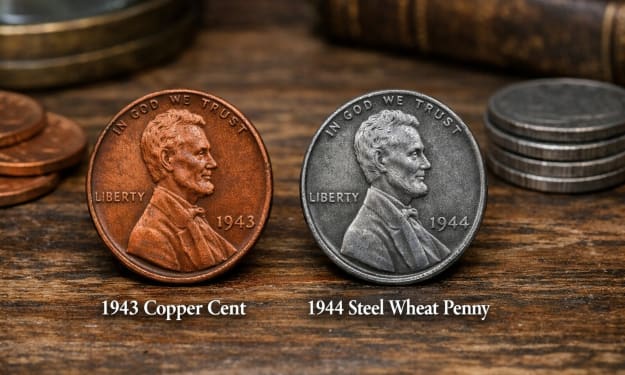
The 1943 Copper Cent vs. The 1944 Steel Penny: How to Spot the Legendary Mistakes
For over eight years as a Senior Numismatic Analyst, few questions ignite the passion of a collector like the legends of the 1943 Copper Cent and the 1944 Steel Penny. These coins represent the most famous mint errors in American history, born from the unprecedented material shifts of World War II. I've examined countless coins brought to me with hope, only to find they were clever counterfeits. The truth is, genuine examples of these errors are extraordinarily rare, but knowing exactly what to look for is the first step from fantasy to fact. This guide will cut through the myths and give you the concrete, professional methods to understand and identify these numismatic legends.
By Laura Bennett2 days ago in Education



Comments (1)
Love this . Great work.