
Swipe Left on Reality: How Dating Apps Are Engineering Loneliness
The Illusion of Infinite Choice and the Vanishing Art of Real-World Connection
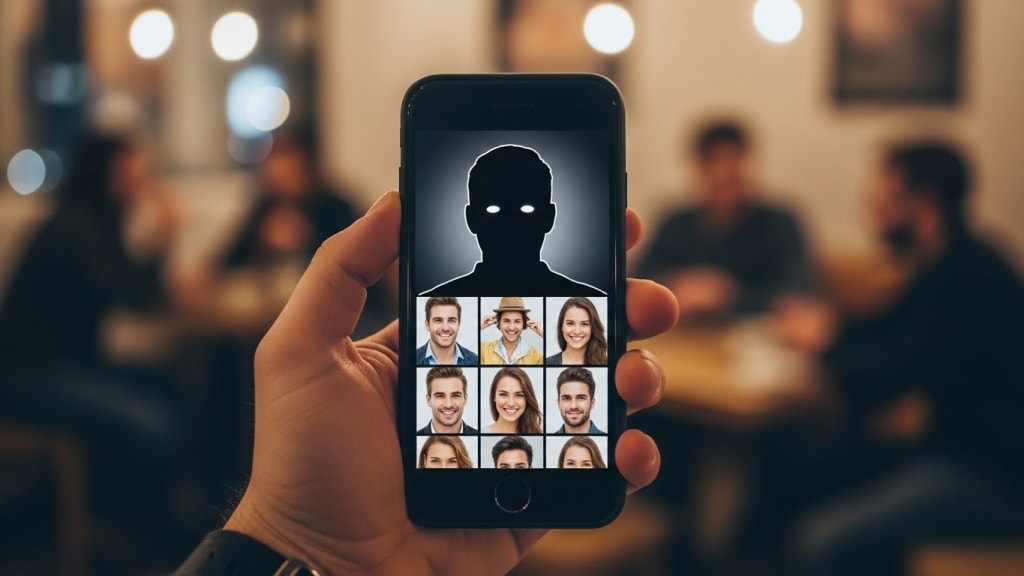
We carry a universe of potential partners in our pockets. With a casual flick of a thumb, we can approve or dismiss dozens of people in minutes, judged on a split-second impression of their best-angle, best-light, best-life self. Dating apps promise a solution to age-old human longing, offering efficiency, scale, and control. Yet, beneath the glossy interface of curated profiles and algorithmic matches, a more troubling story is unfolding. Far from fostering connection, the very architecture of these platforms may be engineering a new form of loneliness—one characterized by phantom abundance and a paralyzing fear of settling, turning the search for love into a dehumanizing game of endless consumption.
The core mechanic of most apps—swiping—reduces human beings to disposable commodities. Each profile becomes a product to be quickly assessed against an internal, often unconscious, checklist. Does he have the right job? Is her smile genuine? Are their travel photos aspirational enough? This constant evaluation mode trains our brains to look for flaws, for reasons to say "no," because the next, potentially perfect match is always just a swipe away. This is the "Paradox of Choice" weaponized for the heart. Psychologist Barry Schwartz famously argued that an abundance of choice doesn't lead to liberation and satisfaction, but to anxiety, paralysis, and regret. When you believe you have infinite options, no single choice ever feels definitive. Why commit to a promising conversation when a more photogenic, wittier, or more exciting match might appear after your next coffee break? The result isn't connection, but a perpetual state of speculative browsing, where real people become placeholders for the phantom ideal just over the horizon.
This dynamic systematically erodes the very skills necessary for building a relationship. Dating apps create a low-risk, low-investment environment. A boring conversation? Unmatch. A slightly awkward first date? Ghost. There’s no social repercussion, no need for uncomfortable closure, because the interaction exists in a sealed digital bubble. We lose the capacity—and the courage—to navigate subtlety, to work through initial awkwardness, to extend grace, and to communicate disinterest with kindness. The "friction" that once forced us to develop social resilience and emotional intelligence has been removed by design. Why tolerate the beautiful, challenging ambiguity of a real person when you can simply reset the game with a new swipe?
Furthermore, the algorithm itself is not a neutral matchmaker; it’s an engagement engine. Its success metric is not "lasting relationships formed," but "time spent in the app." Its business model depends on a steady churn of hope and mild disappointment to keep users scrolling, subscribing, and swiping. The occasional good match is necessary to fuel the hope, but the underlying goal is to perpetuate the search. This creates a perverse incentive structure that subtly discourages users from finding what they say they want. You are not the customer; you are the product, and your sustained attention—and loneliness—is the commodity being sold.
The most profound theft, however, is of shared context. For most of human history, relationships blossomed from shared soil: a community, a workplace, a circle of friends, a place of worship. This provided a built-in layer of accountability, a common history, and a web of social connections that offered both a foundation and a gentle pressure to treat each other well. Dating apps strip this away, plucking individuals out of their social ecosystems and presenting them as isolated, self-authored brands. A match is a stranger in the truest sense, disconnected from the stabilizing forces of community. This not only increases the potential for deception but also makes it easier to treat people as interchangeable, because they appear without a history, without a network, without a world attached to them.
The outcome is a generation that is more "connected" than ever, yet reports soaring levels of loneliness and social anxiety. People report feeling drained by the "work" of dating apps, describing it as a second job that yields little emotional ROI. They experience the fatigue of performing a curated self and the despair of being constantly judged as one. The app becomes a digital waiting room where everyone is present but no one is truly available, their attention and emotional energy divided among hundreds of phantom possibilities.
The path out of this engineered loneliness requires a conscious rejection of the infinite-swipe mindset. It means seeking connection in places with built-in friction and shared context: hobby groups, classes, volunteer work, or simply having the courage to smile at someone in line at the bookstore. It involves valuing depth over breadth, choosing to invest in a handful of real conversations rather than managing an endless roster of chats. It means remembering that love is not about finding a perfect, pre-fabricated match from a catalog, but about building something unique and imperfect with another willing, flawed human being—a process that cannot be algorithmically predicted, only courageously begun, one vulnerable, real-world moment at a time. Sometimes, the most radical act is to close the app, look up, and step into the gloriously un-curated, unpredictable world where real connection has always lived
About the Creator
HAADI
Dark Side Of Our Society
How Genomics Powers Humanitarian Impact Across Global Communities
Genomics powers humanitarian impact by using genetic science to solve urgent human problems. Genomics is the study of all genes in a living being. It helps experts understand how diseases spread, how bodies respond to treatment, and how crops survive harsh weather. Today, genomics powers humanitarian impact in health care, agriculture, disaster response, and public planning. It brings science closer to communities that face daily risks.
By Mark Bouzyk6 days ago in Education
Effective Mentorship Strategies to Help Clinicians Lead Patient-Centered Healthcare Innovation
Healthcare organizations today face growing expectations to deliver higher-quality care while improving efficiency and patient satisfaction. Innovation is often discussed at the leadership level, yet some of the most valuable ideas originate from clinicians working directly with patients. These professionals understand daily challenges in care delivery and recognize opportunities for improvement that others may overlook. When healthcare leaders actively mentor clinicians, they unlock the potential for meaningful, patient-centered innovation.
By Dr. Janet Chollet4 days ago in Education
The BAFTA Awards
By now, in a stunning departure from recent years, most of the world is aware of what happened at the BAFTA film awards. Social Media Headlines will tell you the bare bones: that John Davidson, a Tourette's Syndrome advocate, shouted a racial slur at two Actors of Colour, Michael B Jordan and Delroy Lindo.
By Natasja Rose4 days ago in Psyche



Comments
There are no comments for this story
Be the first to respond and start the conversation.