
Strategies to protect against compromised credentials.
Cyber Secuirity.
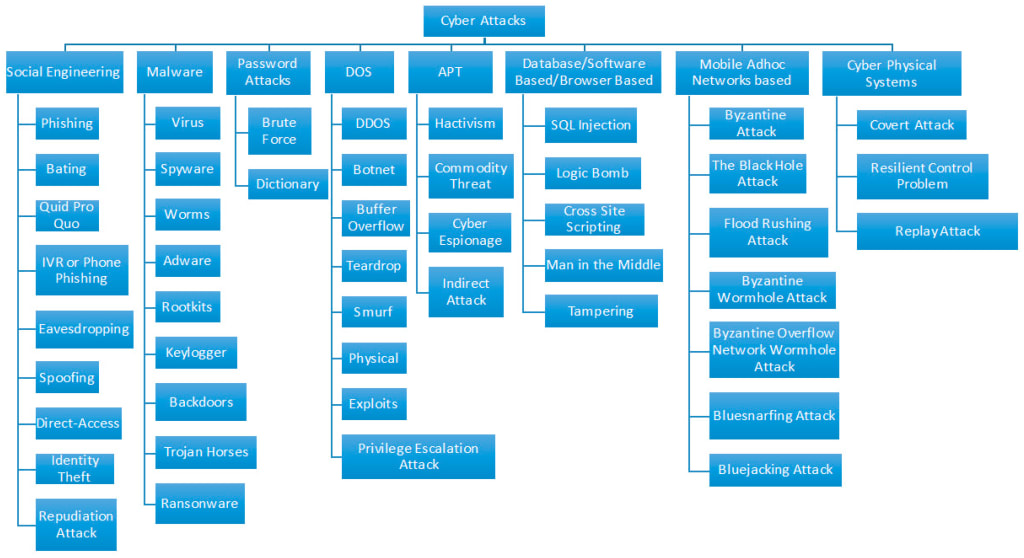
In a recent poll by a reputable cybersecurity company, an astounding 92% of participants expressed concern over hacked credentials. The poll provides insight into the rising worries that people and organizations have about the security of their credentials in a society that depends more and more on technology. In-depth analysis of the survey results is provided in this article, which emphasizes the importance of the problem and the urgent need for effective solutions to this pressing cybersecurity issue. Participants in the poll came from a wide range of backgrounds, including both laypeople and professionals from different economic sectors. A astonishing 92% of respondents expressed fear about compromised credentials, highlighting how widespread this problem is among all user categories.Because compromised credentials are crucial for gaining access to private information, networks, and services, there is a great deal of concern about them. Credentials are eagerly sought after by cyber criminals because they can be used to access a wealth of private data, money, and other important things. Credentials that have been hacked could result in serious problems like unauthorized access, data breaches, financial losses, reputational harm, and even legal repercussions.
The increased worry about hacked credentials is a result of a number of issues. First off, the risk environment has been dramatically heightened by the spread of sophisticated hacking techniques and the establishment of a vibrant cyber crime ecosystem. Additionally, the attack surface has grown due to the rapid expansion of remote work arrangements and the widespread use of cloud-based services, making it increasingly difficult for organizations to adequately protect their credential repositories. Furthermore, the frequency of high-profile data breaches that have been covered by the media has increased public awareness of the potential repercussions of credential compromise, adding to the discomfort. Organizations and individuals need to develop strong mitigation techniques given how serious the problem is if they want to properly secure their credentials. Protecting against credential compromise requires the following actions:
Strong Password Hygiene: It's important to use different, difficult passwords for every online account. Multi-factor authentication and password managers can help offer an additional degree of security.
Regular Credential Monitoring: People and organizations alike should keep an eye out for any indications of compromised credentials. Early detection of suspicious activity or unauthorized access attempts can help limit future harm.Security Awareness Training: To reduce the danger of credential breach, it is essential to inform users on the importance of cybersecurity best practices, such as spotting phishing efforts and staying away from dubious websites.
Organizations should put strict access controls in place, such as role-based access and the least privilege concept. Employees will only have access to the credentials required for their particular roles thanks to this security measure.
Continuous Threat Intelligence: Keeping up with the most recent threat intelligence is essential for fending off changing cyber threats. To keep one step ahead of cyber criminals, organizations should make use of threat intelligence systems and team up with colleagues in the sector.
The overwhelming concerns survey participants voiced about stolen credentials highlight the critical need for preventative cybersecurity measures. Individuals and organizations
can greatly lower the risk of credential compromise by implementing effective mitigation techniques, such as strong password hygiene, consistent credential monitoring, security awareness training, access controls, and constant threat intelligence. In today's linked world, maintaining trust and sustaining the integrity of digital ecosystems are equally important as preventing this serious cybersecurity threat. This is true for protecting sensitive data.
About the Creator
Koushik Chatterjee
I am a dedicated and accomplished content writer who possesses a deep passion for creating engaging and compelling written materials. With a strong background in journalism and a flair for storytelling,
Keep reading
More stories from Koushik Chatterjee and writers in Education and other communities.
Rath Yatra in puri.
Rath Yatra, also known as the Chariot Festival, is one of the most significant religious festivals celebrated in Puri, a coastal town in the state of Odisha, India. It is a grand procession that takes place annually and attracts millions of devotees from around the world. The festival is dedicated to Lord Jagannath, an incarnation of Lord Vishnu, along with his siblings, Lord Balabhadra and Devi Subhadra.
By Koushik Chatterjee3 years ago in Education
How to Implement Digital Signage in Your Pharmacy
I'll never forget the first time I walked into a pharmacy with digital signage displays showing real-time prescription wait times and health tips. As someone who'd spent years waiting in line wondering how much longer I'd be there, seeing that information displayed so clearly felt revolutionary. That experience stuck with me, and when I later helped my cousin implement digital signage in her independent pharmacy, I realized just how transformative this technology could be for both pharmacy owners and customers.
By Jerry Kane 5 days ago in Education
Prevention First: How Proactive Medical Care Builds Stronger Communities
Preventive medical care plays a critical role in shaping healthier communities. When people receive care before illness develops, they avoid many severe conditions. This approach improves quality of life and reduces strain on healthcare systems. Moreover, prevention supports long-term wellness rather than short-term treatment. Communities that prioritize preventive care experience lower rates of chronic disease. As a result, individuals remain active and productive. Preventive care, therefore, serves as the foundation for sustainable public health.
By St. John's Community Health7 days ago in Education




Comments
There are no comments for this story
Be the first to respond and start the conversation.