
Story Behind The Human Zoos
Human where displayed as animals in zoos

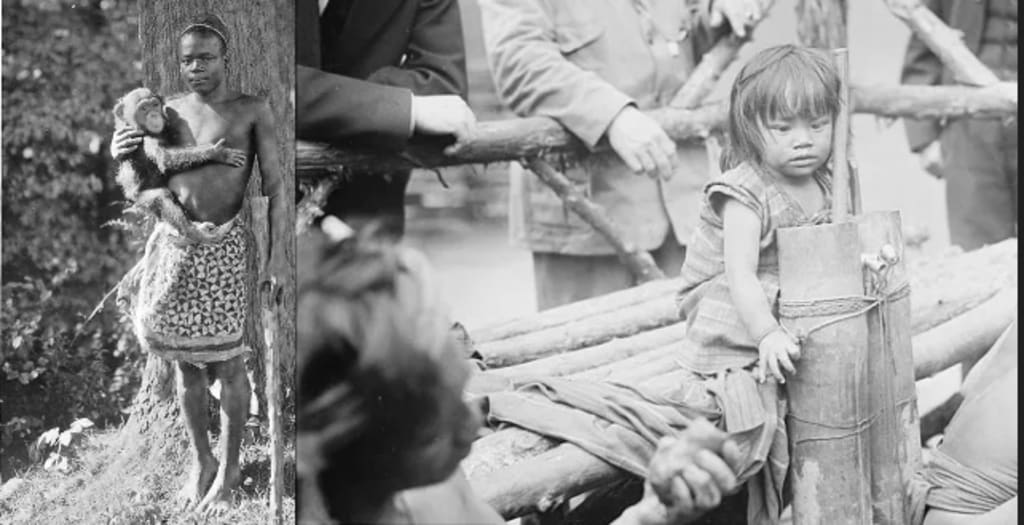
Human zoos, which were also called ethnological expositions, were places where people were put on display, usually in a "natural" or "primitive" way. The 19th and 20th centuries saw their greatest popularity.
There were human zoos around the world from the late 1800s until the 1950s. People of color (POC) were living exhibits in zoos and museums from Europe to New York. These were Native Americans, Asians, Latin Americans, and Africans.
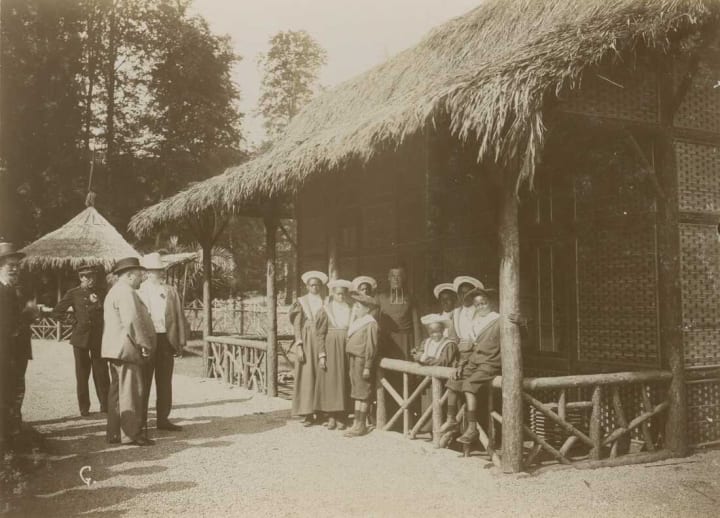
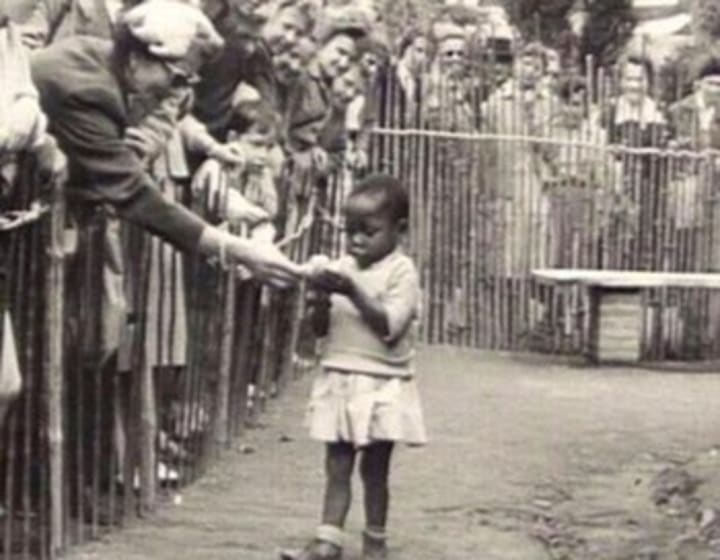
They were on exhibit in "naturalistic" man-made habitats that were meant to resemble each captive POC's native home, whether they were dressed or not. Since they were seen as "exotic animals," onlookers would pet and photograph them. POC were incarcerated because of physical characteristics that non-POCs deemed "strange," such as body parts, sizes, or shapes.
In 1906, there was an exhibit called "The Monkey House" at the Bronx Zoo in New York City. It was almost like a zoo with people.
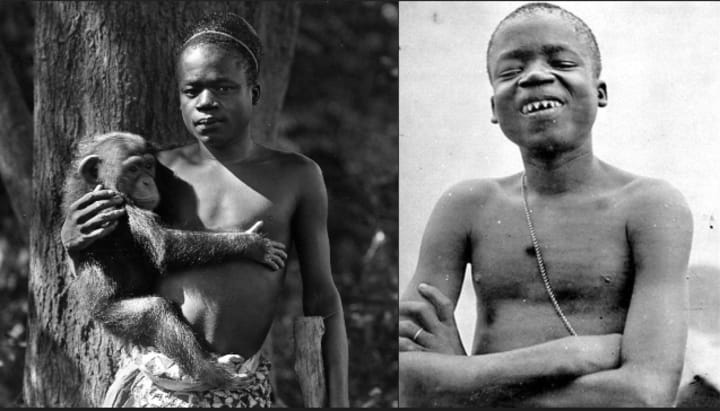
There was a Congolese man named Ota Benga who was put on display with a monkey. He and the other captives were all in different confinement representing their native homes.
When people came to see these displays, they looked and stared. They put on a show for the public with things he did as part of his culture, like shooting an arrow and weaving.
Saartjie Baartman was displayed similarly displayed like Ota Benga. Steatopygia was a medical ailment that affected Baartman, a black woman. In women of African heritage, steatopygia is characterized by an excessive development and accumulation of fat in the lower parts of the body. Baartman's symptoms led to the public's fascination with her bodily attributes being displayed at London's Piccadilly Circus.
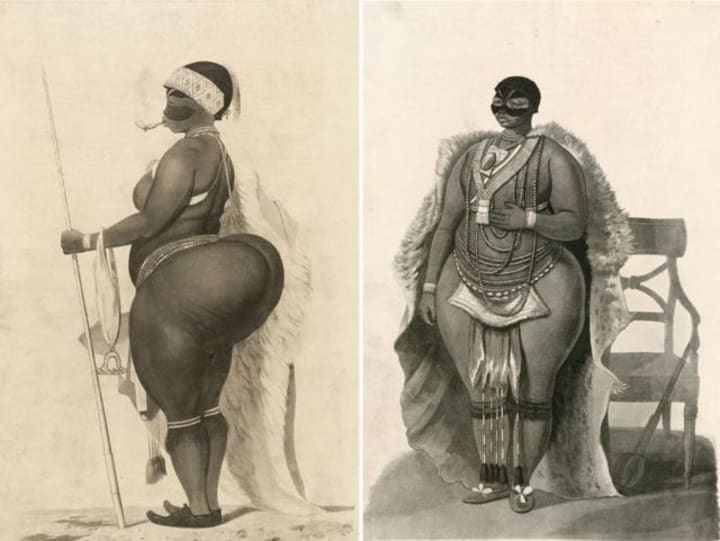
Her huge buttocks and private parts were regarded as 'exotic' and uncommon. Rich clients paid for private performances in their houses where she was petted. Before her autopsy, a plaster cast of her body was created when she passed away at age 26.
Pickling juice and jars were used to preserve her skeleton, brain, and genitalia. They were put on display at the "Museum of Man" in Paris until 1974. Her remains were removed in 2002 and sent to the province of the Eastern Cape for burial.
The Igorot Village in Missouri
After the Philippine-American War ended in 1902, Americans were very interested in the native people of the newly acquired land. This led to the creation of anthropological exhibits that showed what life was like in the Philippines. Anthropologist believed that the Igorot people were the least civilized tribe in the Philippines.
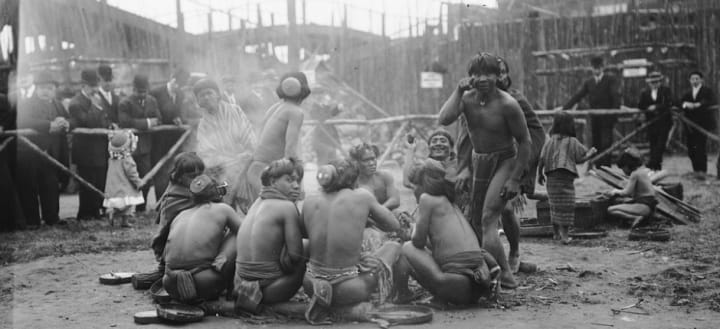
People got bad ideas about the Igorot people and the Filipino community because of these exhibits and human zoos. Over 1,000 Filipinos went to the World's Fair, and it cost the US government more than $1.5 million to get them there.
The Fair cost $19.6 million all together. One of the most popular things to do at the Fair was to visit the Igorot Village. The exhibit was used to show that white people were better and that the Philippines should become a U.S. colony because the people there were not civilized. By taking over the Philippines, the U.S. would be able to use the Pacific for trade, the military, and other important reasons.
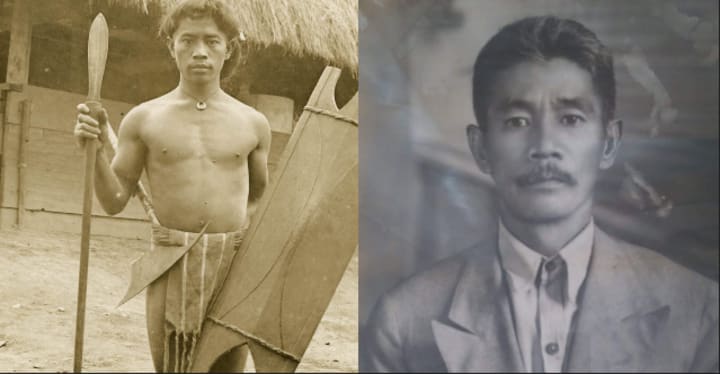
Antero Cabrera, who was twelve years old, was one of the Igorot people who were shown at the St. Louis World's Fair. Antero knew what the exhibit was really about, but he still took part in it long after the Fair was over. Antero wanted to make a better life for himself and his children as part of the American Dream. He was able to travel the world and improve his financial and social status by taking part in these anthropological exhibits.
References and Further Reading:
1904 World's Fair-Exhibition of the Igorot Filipino People
About the Creator
Rare Stories
Our goal is to give you stories that will have you hooked.
This is an extension of the Quora space: Rare Stories
X(formerly Twitter): Scarce Stories
Writers:
....xoxo
Keep reading
More stories from Rare Stories and writers in Education and other communities.
What to Eat (And Avoid) During Colon Cancer Treatment: A Nutritionist-Approved Guide
When undergoing colon cancer treatment, your diet is more important than ever. The right nutrition can support your immune system, reduce side effects, and even enhance the effectiveness of treatments like chemotherapy and radiation. But knowing what to eat and what to avoid can be overwhelming.
By Erika Phillips 4 days ago in Education
Hands of Hope: The Impact of Volunteer Service in Faith-Based Communities
Faith is often expressed through prayer and reflection, but its true strength is revealed through action. Volunteers play a vital role in translating belief into meaningful service, helping churches grow and positively influence the communities around them. Through dedication, compassion, and teamwork, volunteers become the driving force behind outreach, support, and connection. Their efforts demonstrate how service rooted in faith can create lasting change.
By Mike Signorelli5 days ago in Education




Comments
There are no comments for this story
Be the first to respond and start the conversation.